Jaipur Travel Guide
Entry fees, opening times and fares in India change often. Please check before you travel.
New Planning with ChatGPT or Gemini? Paste the plan and we'll price it with real hotels and a car. Price my itineraryFirst time in India? How long, where and when to go, in one page.
Jaipur trips from ₹44,250 per person, everything in the price ↓
Jaipur is the first of two stops on Jaipur & Udaipur 4 nights · with Udaipur · from ₹21,999 per person See it →Jaipur is the walled city Sawai Jai Singh II laid out on a grid in 1727, and it still works roughly the way he planned it: palaces at the centre, bazaars along the main streets, forts on the ridge above. UNESCO listed the walled city in 2019. It is a place with an unusually high hit rate for a first-time visitor, since you can photograph the Hawa Mahal at nine, be haggling over block-printed cotton by lunch, and watch the sun go down from Nahargarh's walls the same day. This guide covers the practical spine of a visit: getting there, getting around, what the monuments cost, where the food is, and how many days the city actually needs.
Quick Facts About Jaipur
Founded: 1727 by Maharaja Sawai Jai Singh II
Population: about 3 million at the 2011 census, and growing
Best Time to Visit: October to March
Languages: Hindi, Rajasthani, English widely understood
Currency: Indian Rupee (₹) - ATMs widely available
Time Zone: IST (UTC +5:30)
Area Code: +91-141
Nickname: Pink City (buildings painted pink in 1876 to welcome the Prince of Wales, later King Edward VII)
How to Get to Jaipur
By Air
Jaipur International Airport (JAI) is the primary gateway, located 13 km from the city center in Sanganer. The airport serves both domestic and international flights, with airlines including Air India and IndiGo operating regular services.
Getting from Airport to City:
- Pre-paid Taxi: ₹400-600 to city center (30-45 minutes)
- App cabs (Uber/Ola): ₹300-500
- Hotel pickup: ₹600-1,200
International Connections: There are direct flights from the Gulf; check current routes with the airlines.
By Train
Jaipur is excellently connected by rail with three major stations:
Jaipur Junction (JP) - Main station in the city center
- From Delhi: Vande Bharat (under 4 hours; 26482 leaves Delhi Cantt 15:10, not Tuesdays; 20978 leaves Delhi Cantt 18:28, not Wednesdays), Ajmer Shatabdi 12015 (New Delhi 06:10, 4 h 25, daily), Double Decker 12986 (Delhi Sarai Rohilla 17:25, 4 h 35, daily)
- Ticket Prices: ₹500-2,500 depending on class
- From Mumbai: overnight trains, the better part of a day on board
- From Agra: several daily trains, four to five and a half hours
Gandhinagar Jaipur (GADJ) and Durgapura (DPA): both secondary stations south of the centre; check which your train calls at
Booking Tips: Use IRCTC website/app, book 2-4 months in advance for popular routes, consider Tatkal quota for last-minute travel.
By Road
Jaipur sits on National Highway 48 (Delhi-Mumbai) making it easily accessible:
- From Delhi: 280 km (5-6 hours via NH48)
- From Agra: 240 km (4-5 hours)
- State Bus Service: Rajasthan Roadways operates regular services
- Private Buses: ₹500-1,500 depending on luxury level
- Self-Drive: Well-maintained highways, tolls apply on the expressway from Delhi
Best Time to Visit Jaipur
Winter (October to March) - BEST TIME
Temperature: 5°C to 25°C
Pros: Perfect weather, clear skies, ideal for sightseeing, festival season
Cons: Peak tourist season, higher prices, crowded attractions
Best For: First-time visitors, outdoor activities, photography
Summer (April to June) - HOT BUT MANAGEABLE
Temperature: 25°C to 45°C
Pros: Lower hotel rates, fewer crowds, ordinary local life going on around you
Cons: Extremely hot during day, limited outdoor activities
Tips: Plan sightseeing early morning (6-10 AM) and evening (4-7 PM)
Monsoon (July to September) - SCENIC BUT UNPREDICTABLE
Temperature: 25°C to 35°C
Pros: Lush landscapes, dramatic skies, lowest accommodation rates
Cons: Heavy rainfall, potential flooding, some attractions may close
Recommendation: Good for budget travelers and monsoon lovers, but check weather forecasts
Where to Stay in Jaipur
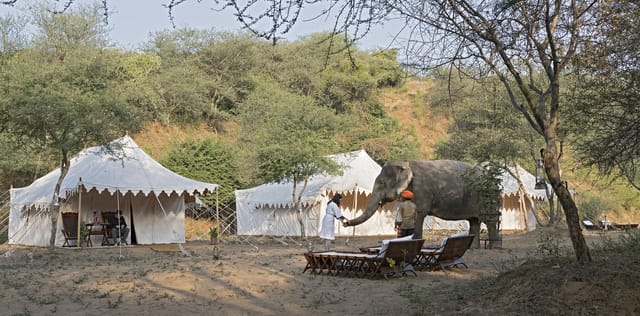
A stay at one of our Jaipur hotels with what it does best already in the price, from ₹44,250 per person, two sharing, taxes in. You book with Indiaesque; a person sets the whole thing up.
Best Areas for Tourists
Pink City (Old City) Character: Historic heart with narrow lanes, traditional havelis, walking distance to major attractions Best For: Cultural immersion, heritage experience, first-time visitors Transport: Auto-rickshaws, cycle-rickshaws, walking
MI Road & C-Scheme Character: Modern commercial area, excellent restaurants, shopping centers Best For: Modern amenities, nightlife, business travelers Transport: City buses, app cabs; the metro's nearest stops (Civil Line, Railway Station, Sindhi Camp) are outside C-Scheme
Bani Park Character: quiet residential streets near the railway station, with budget guesthouses and a few garden heritage hotels Best For: budget rooms, quiet nights, early trains Transport: Private vehicles, app cabs
Malviya Nagar Character: South Jaipur's modern hub, good connectivity, budget-friendly Best For: Budget travelers, longer stays, local experience Transport: City buses, shared autos
Where We'd Stay
We list a small number of Jaipur hotels on our own site, places we have chosen deliberately, not an aggregator's feed.
In and around the walled city
- Samode Haveli: a 225-year-old painted haveli in old Jaipur, still home to the Samode family
- Padmaa: a 1735 family haveli in the walled city, now an all-suite hotel of 15 rooms with a rooftop pool
- Hotel Diggi Palace: a garden palace dating back to the early 1730s, where the Jaipur Literature Festival held its earliest editions
Garden palaces and family homes
- Hotel Narain Niwas Palace: a 1928 garden palace where the Kanota family still keeps house
- Dera Rawatsar: a 1950 garden house in Bani Park with 16 rooms and a pool
- Jas Vilas: an ancestral Bani Park home turned 14-room hotel, with a mural-walled pool and home-cooked meals
- Niravi: a tropical garden hotel at Peelwa Gardens, conceived by three sisters, with palms, peacocks and a pool courtyard
By Amber Fort
- Surya Haveli: a 300-year-old, six-room haveli on Amber's main square, with all-day views of the fort
The full set, with rooms and current pricing, is at boutique hotels in Jaipur.
Top Things to Do in Jaipur
What to see
Amber Fort (Amer Fort)
Entry: state ticket, foreign visitors pay several times the Indian rate; also covered by the state composite ticket
Timings: opens early morning, closes late afternoon; check at the gate
Duration: 2-3 hours
Begun in 1592 by Raja Man Singh I and extended by his successors, this magnificent fort offers elephant rides (priced per elephant, two riders; widely avoided on welfare grounds), stunning mirror work in Sheesh Mahal, and panoramic valley views. An evening sound and light show runs in season; tickets at the fort.
Hawa Mahal (Palace of Winds)
Entry: small state ticket, higher for foreign visitors, or the composite
Timings: mid-morning to late afternoon; check at the gate
Duration: 45 minutes
The five-storey screen of windows was built so the palace women could watch the street without being seen. The inside takes 30 to 45 minutes; the famous view is from the street, best in morning light.
City Palace
Entry: Museum ticket ₹400 for Indian adults (₹200 concessions); the palace's own composite, ₹500, adds Jaigarh Fort and the Royal Cenotaphs; foreign visitors pay a higher rate, see citypalace.org. The Chandra Mahal Royal Tour is ₹4,000 (Indian adult), booked at the desk
Timings: 9:30 AM to 6:30 PM daily, last tickets 6:00 PM; closed on Dhulandi, the day after Holi. The night opening is suspended
Duration: 2-3 hours
Still home to Jaipur's royal family, this complex showcases royal artefacts, weapons and courtyards; the Textile Gallery in Mubarak Mahal is closed for restoration from 27 March 2026. Audio guide available.
Jantar Mantar
Entry: state ticket or composite
Timings: mid-morning to late afternoon; check at the gate
Duration: 1-2 hours
UNESCO World Heritage astronomical observatory with world's largest stone sundial. Hire a guide (₹200-300) to understand the instruments' functions.
Jal Mahal
Entry Fee: Free (viewing from outside)
Best Time: Sunset
Duration: 30 minutes
The "Water Palace" sits half-submerged in Man Sagar Lake. You cannot go in; you look at it from the lakeside promenade, ideally as the light goes at sunset.
Nahargarh Fort
Entry: state ticket or composite; foreign visitors pay more
Timings: opens later than Amber, mid-morning, and closes late afternoon
Duration: 2-3 hours
The best sunset view over Jaipur, with the whole pink grid laid out below. There is a restaurant on the walls for a drink while you wait for the light.
Jaigarh Fort
Entry: included in the City Palace composite ticket (₹500 Indian adult); a standalone ticket is sold at the gate, higher for foreign visitors
Timings: check at the gate
Duration: 1-2 hours
Houses "Jaivana", the largest wheeled cannon in the world when it was cast here in 1720, and provides excellent views of Amber Fort.
Less visited
Panna Meena Ka Kund A stepwell a few minutes from Amber Fort, its criss-crossing flights of steps the reason photographers seek it out. Entry is free and it is rarely crowded.
Galta Ji Temple (Monkey Temple) A unique temple complex with natural springs and hundreds of monkeys. Located 10 km from city center, best visited early morning.
Sisodia Rani Ka Bagh Beautiful terraced gardens with fountains and frescoes, built for the queen from Udaipur. Ticketed (ask whether your composite covers it); a peaceful escape from city crowds.
Albert Hall Museum Night Visit The museum looks magical when illuminated at night. The building is lit after dark and opens some evenings; hours and the night ticket change, so check before going. The exterior view is free.
Experiences & Activities
Heritage Walking Tours Join guided walks through Pink City's narrow lanes (₹1,000-2,000 per person), past small temples, working craftsmen and everyday street life.
Cooking Classes Learn to prepare Rajasthani cuisine at various venues (₹2,000-4,000 per person), often including market visits and recipe books.
Block Printing Workshops Visit Sanganer or Bagru villages to learn traditional textile printing techniques (₹1,500-3,000 including materials).
Hot Air Ballooning SkyWaltz flies September to April, about an hour in the air over the forts and farmland; shared balloon ₹14,990 plus tax per Indian adult, foreign nationals US$325.
Jaipur Food Guide
Must-Try Dishes
Dal Baati Churma Rajasthan's signature dish featuring lentil curry, baked wheat balls, and sweet crumbled wheat. Best at Chokhi Dhani (dinner packages from ₹650 per person) or local dhabas (₹200-300).
Laal Maas Fiery red mutton curry cooked with dried red chilies and yogurt. Try at 1135 AD Restaurant (₹1,500-3,000 per person) inside Amber Fort.
Ghewar Traditional sweet made from flour and soaked in sugar syrup, especially popular during festivals. Rawat Mishtan Bhandar famous for authentic versions (₹300-500 per kg).
Pyaaz Kachori Deep-fried pastry stuffed with spiced onions, a breakfast favorite. Street vendors sell for ₹20-40 each, best at MI Road area.
Rajasthani Thali Complete meal with multiple curries, bread, rice, and sweets. Authentic experience at Spice Court (₹600-800) or Peacock Rooftop Restaurant (₹500-700).
Best Restaurants & Street Food
Fine Dining
- 1135 AD: Royal dining experience inside Amber Fort (₹1,500-3,000 per person)
- Suvarna Mahal: Taj Rambagh Palace's opulent restaurant (₹3,000-5,000 per person)
- Steam: Contemporary cuisine at Rambagh Palace (₹3,000-4,000 per person)
Mid-Range
- Handi Restaurant: Famous for non-vegetarian Rajasthani cuisine (₹400-800)
- Chokhi Dhani: Cultural village experience with unlimited food (packages ₹650-900 per person, entry from 5 PM)
- LMB (Laxmi Misthan Bhandar): long-established vegetarian institution (₹300-500)
Street Food Areas
- Johri Bazaar: Famous for kachori, samosa, and sweets
- MI Road: Evening food stalls and chaat vendors
- Bapu Bazaar: Traditional snacks and lassi shops
- Tripolia Bazaar: Local favorites and authentic flavors
Practical Tips for Jaipur
Safety Tips
For Solo Female Travelers: Jaipur is generally safe but requires normal precautions. Stay in well-reviewed accommodations, use registered taxis/app cabs after dark, dress modestly especially at religious sites, and keep emergency contacts handy. Tourist police are present at major attractions.
General Safety:
- Avoid isolated areas after sunset
- Use certified guides at attractions
- Be cautious of gem scams and fake antique dealers
- Drink bottled water and eat at busy restaurants
- Keep copies of important documents
- Register with your embassy for longer stays
Common Scams to Avoid:
- Fake gem deals promising export profits
- Overcharging by auto-rickshaw drivers (always negotiate fare)
- Pressure selling at carpet and jewelry shops
- Fake travel agents offering "special" packages
Money & Costs
Daily Budget Estimates:
- Budget Traveler: ₹2,000-3,000 (accommodation, food, transport, basic sightseeing)
- Mid-Range Traveler: ₹5,000-8,000 (comfortable hotel, restaurants, guided tours, shopping)
- Luxury Traveler: ₹15,000+ (heritage hotels, fine dining, private guides, premium experiences)
Tipping Guidelines:
- Restaurants: 10-15% if service charge not included
- Hotel staff: ₹50-100 per service
- Taxi drivers: Round up fare or 10%
- Guides: ₹200-500 per day
- Temple visits: ₹20-50 for shoe-keeping
Bargaining Tips: Start at 40-50% of the quoted price in markets, be polite but firm, walk away if needed, pay in cash for better deals, and avoid shopping near major tourist attractions for better prices.
Getting Around
Auto-Rickshaw Most convenient for short distances. Meters are rarely used; agree the fare first: ₹50-150 within the walled city, ₹250-350 to Amber Fort.
Cycle-Rickshaw Eco-friendly option for Pink City exploration. Rates: ₹30-50 for short distances, ₹200-300 for hourly hire.
City Bus Cheapest option covering major routes. Fare: ₹10-30 depending on distance. JCTSL operates regular services.
App-Based Cabs Uber and Ola widely available. Typical fares: ₹80-150 for city center trips, ₹300-500 to airport.
Car Rental Daily rates: ₹2,000-3,000 with driver for 8 hours/80 km, ₹1,500-2,500 self-drive. Recommended for day trips and multiple attraction visits.
Metro The Pink Line opened in 2015 from Mansarovar to Chandpole and was extended underground to Badi Chaupar, on the edge of the old city, in September 2020. There is no metro to the airport.
How Many Days in Jaipur?
1 Day Itinerary
Morning: City Palace and Jantar Mantar (3 hours) Afternoon: Hawa Mahal and lunch at LMB (2 hours) Evening: Nahargarh Fort for sunset (2 hours) Total sightseeing: 7 hours Recommended: Only if extremely time-constrained
2-3 Days Itinerary (Recommended Minimum)
Day 1: City Palace, Jantar Mantar, Hawa Mahal, Albert Hall Museum Day 2: Amber Fort, Jaigarh Fort, Jal Mahal, Pink City walking tour Day 3: Nahargarh Fort, Galta Ji Temple, shopping in local markets, cooking class Total: Covers major attractions with comfortable pace
4+ Days Itinerary (Ideal)
Days 1-3: As above Day 4: Day trip to Pushkar or Ajmer Day 5: Sanganer/Bagru village visit, block printing workshop Day 6: Relaxation, spa treatments, cultural shows Benefits: Deep exploration, day trips, cultural immersion, stress-free pace
Day Trips from Jaipur
Pushkar (about 145 km, 3 hours)
Sacred city with Brahma Temple, holy lake, and busy bazaars. Famous for camel fair (November). Day trip possible but overnight stay recommended. Cost: ₹2,500-4,000 including transport and guide.
Agra (240 km, 4-5 hours)
Home to Taj Mahal and Agra Fort. Early morning departure (6 AM) allows full day visit with evening return. Tour packages: ₹8,000-15,000 per person including transport, guide, and meals.
Ajmer & Pushkar Combo (145 km, 3 hours)
Visit Ajmer Sharif Dargah (famous Sufi shrine) and Pushkar in single day. Cost: ₹3,000-5,000 including transport and guide.
Ranthambore National Park (180 km, 3.5 hours)
Tiger safari and wildlife viewing. Requires 2-day trip for best experience. Safari booking essential in advance. Package cost: ₹12,000-20,000 for 2 days including accommodation.
Shekhawati Region (100-150 km, 2-3 hours)
Open-air art gallery with painted havelis in towns like Mandawa and Nawalgarh. Day trip cost: ₹4,000-6,000 including transport and guide.
FAQs About Jaipur
Q: How much does a 3-day Jaipur trip cost? A: Budget travellers manage on ₹6,000-9,000 total (₹2,000-3,000 a day) covering a room, meals, transport and tickets. Mid-range, budget ₹15,000-24,000. Luxury starts around ₹45,000 per person and climbs quickly once heritage hotels are involved.
Q: Is 2 days enough for Jaipur? A: Two days covers Amber Fort, City Palace, Hawa Mahal and a Nahargarh sunset. Three lets you add the bazaars, a cooking class or a stepwell without rushing. If you only have two, skip the shopping, not Amber.
Q: What should I avoid in Jaipur? A: Gem-export schemes above all; they are Jaipur's signature scam. Also unregistered guides, unlicensed taxis late at night, tap water, and shopping right beside the big monuments, where prices are set for people who will not be back.
Q: Is Jaipur safe for solo female travelers? A: Yes, with the usual city sense. Well-reviewed accommodation, app cabs after dark, modest dress at religious sites, and trust your instincts. Tourist police sit at the major attractions.
Q: Can I visit Jaipur in summer? A: Yes, if you work around the heat. Monuments from 6 to 10 in the morning, a long break in the middle of the day, evenings from 4. Hotels discount heavily in summer, which is when heritage rooms suddenly get affordable.
Q: Where can I find the best dal baati churma in Jaipur? A: Chokhi Dhani for the full village-resort treatment, Spice Court in the city, the dhabas on Tonk Road for the workaday version, and Thali House in C-Scheme. The vendors in Bapu Bazaar do a decent budget plate too.
That is the working knowledge. Two last things worth saying: prices and timings move often in Jaipur, so treat exact figures as a guide and check the day before you go. And if the sleeping-in-a-palace part matters to you, start with our own short list of boutique hotels in Jaipur; they are the places we would send a friend.