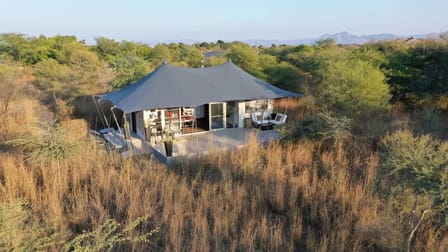
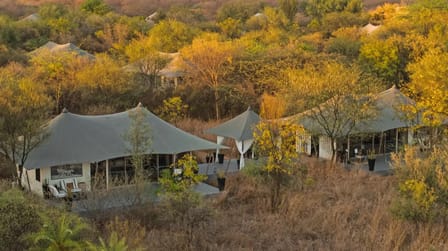
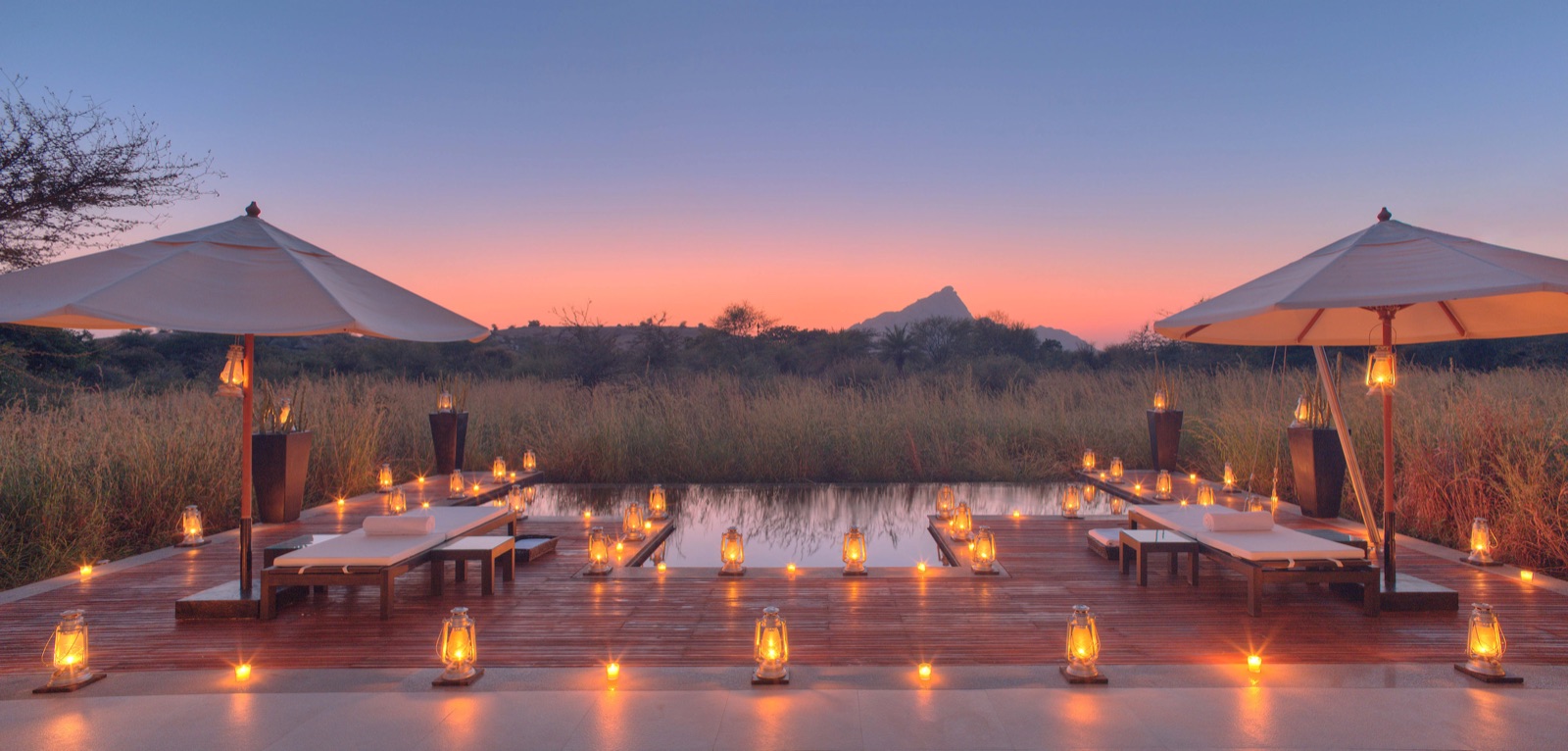
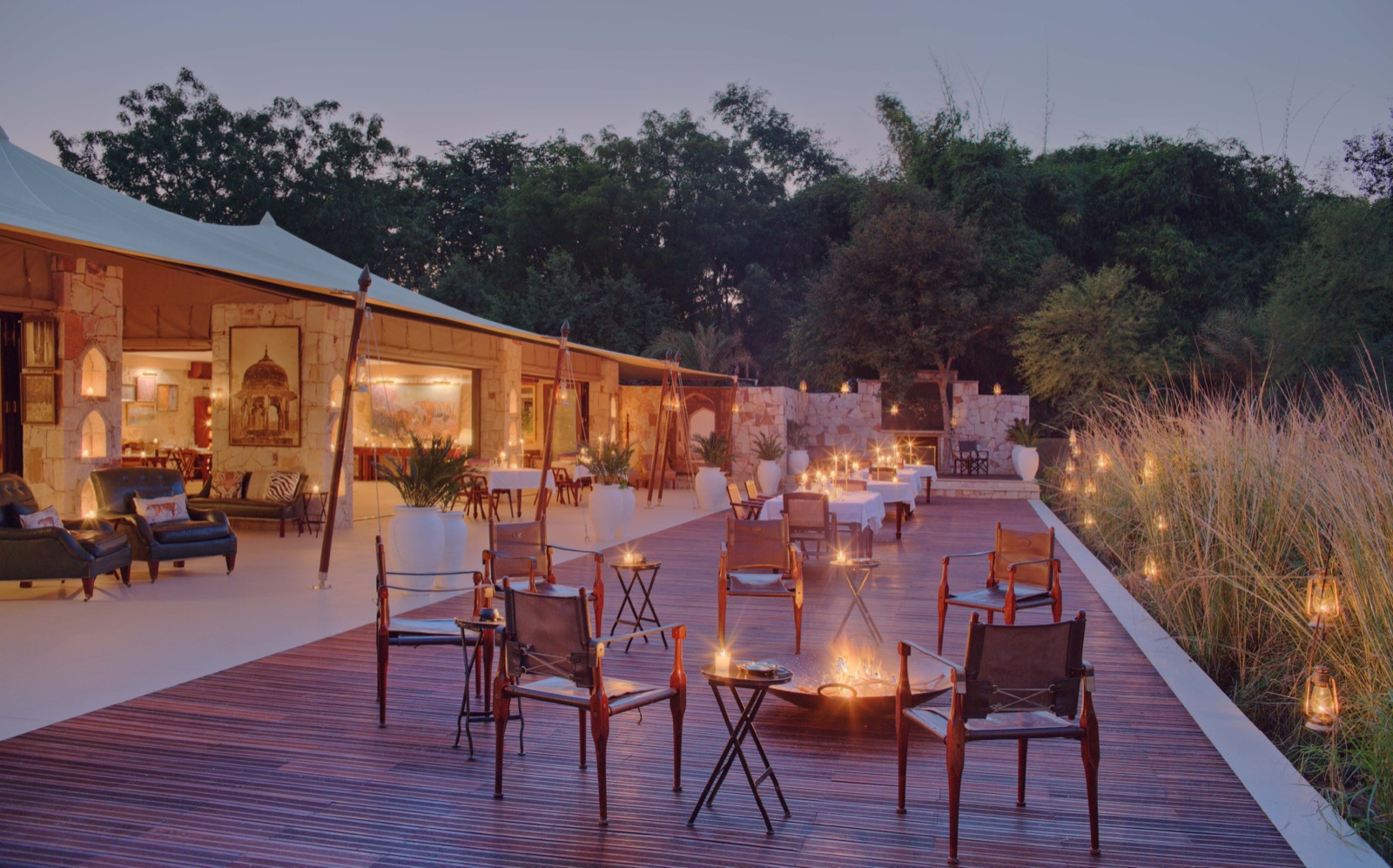
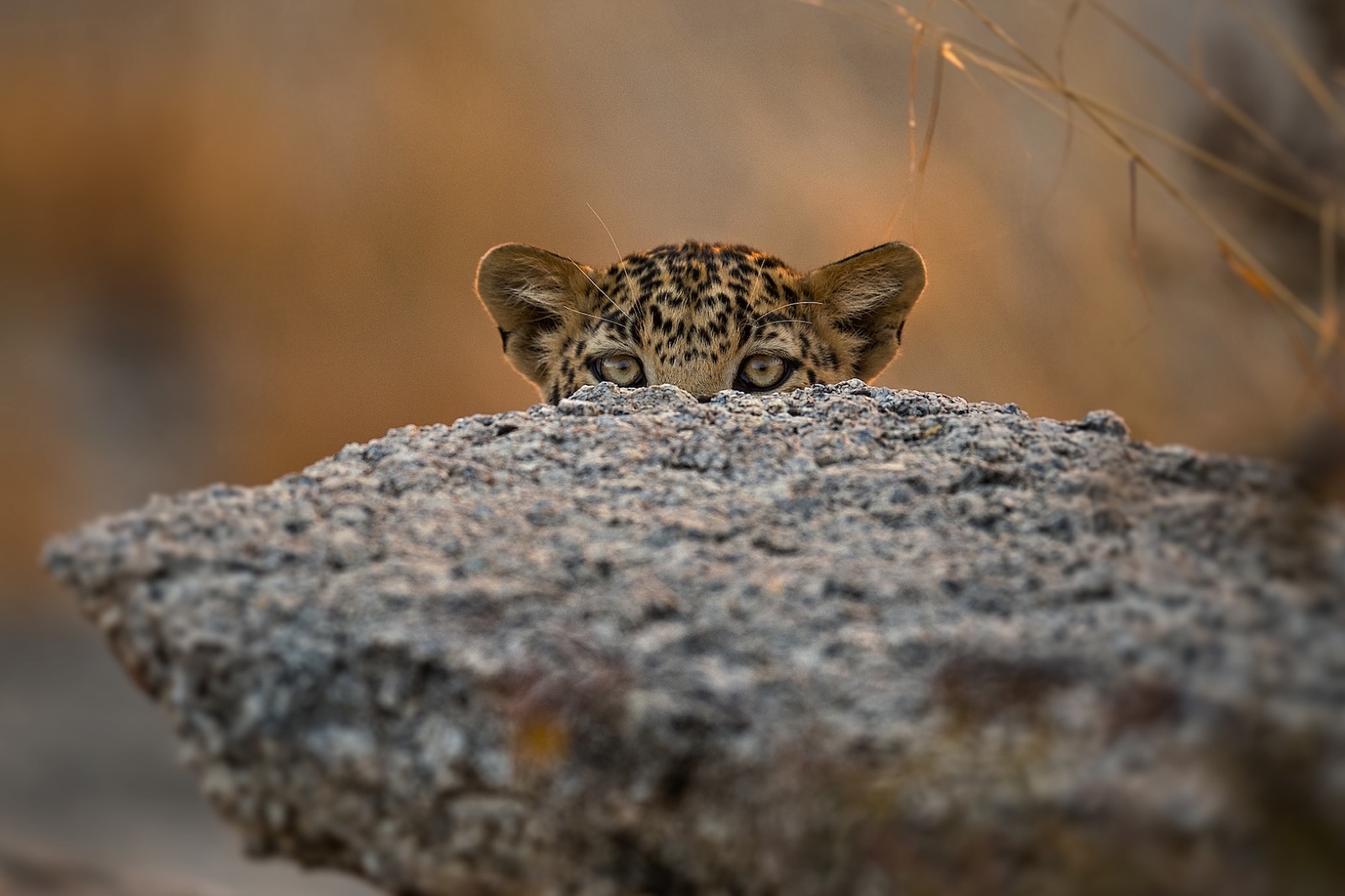
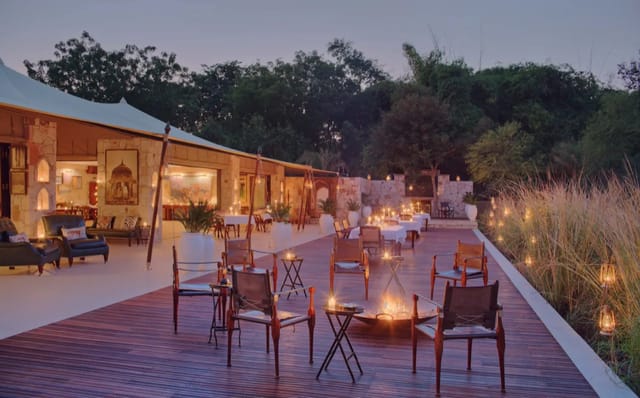
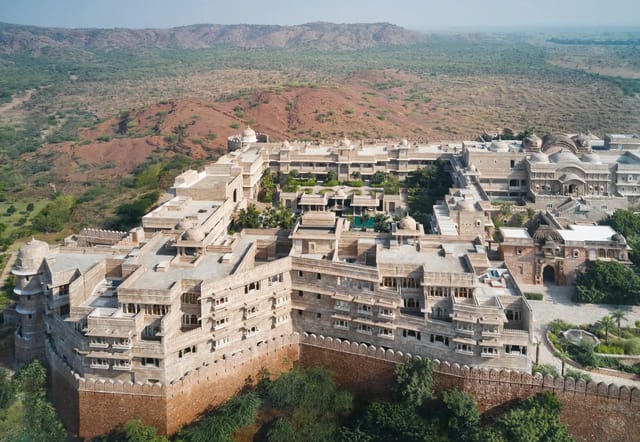
Ten tents. That is the whole camp. SUJÁN Jawai sits among granite formations the property dates at a billion years old, in the Jawai Bandh region of Rajasthan, where its founders say leopard density is among the highest anywhere in the world. This is what founders Anjali and Jaisal Singh call their most ambitious conservation project, one of SUJÁN's three wilderness and safari camps in Rajasthan, and it opened here in 2013 to prove a point: that wild leopards, local communities and a serious safari camp can share the same hills.
Leopards with a semi-divine job title
Drives go out twice a day, and the quarry is unusual. The Jawai hills hold nearly 300 temples and shrines, and the local communities regard their leopards as guardians of the place. Between drives you can ride the camp's Marwari horses, walk the wilderness with members of the Rabari tribe, who the camp says have walked these lands for centuries, or go birding: the site's own count is over 240 species in one section and over 245 in another, with flamingos, demoiselle cranes and bar-headed geese among the migratory visitors.
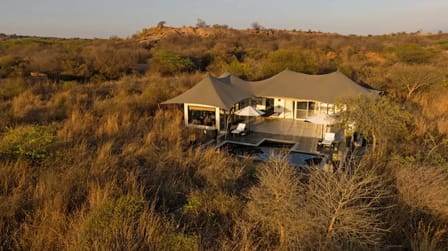
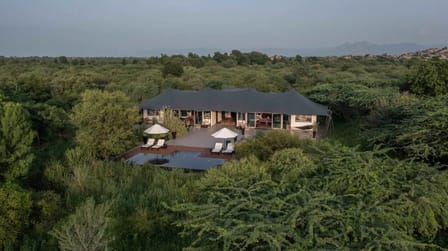
A camp of ten tents in leopard country, where the cats are treated as guardians rather than trophies.
Which tent, and how private
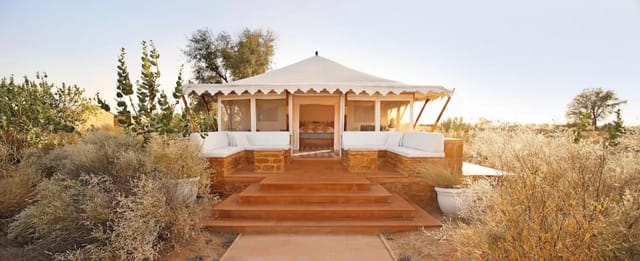
The standard Tented Rock Suites sleep two, each with a private deck, writing desk and lounge furniture facing the wilderness. Families take the Felidae Suite, two tents on a shared plinth and verandah set slightly apart. The Royal Panthera Suite adds a private heated pool and its own lounge and dining tent, and the camp calls it the honeymoon favourite. Top of the pile is Eden at Jawai, a private encampment of three double bedrooms with its own entrance, pool and boma.
Getting there is easier than the setting suggests: Jodhpur and Udaipur are each around two and a half hours by road, and a train from Jaipur reaches Falna station, 30 minutes from camp. In our view this is the most distinctive of the three SUJÁN camps, and the one worth planning a Rajasthan itinerary around.