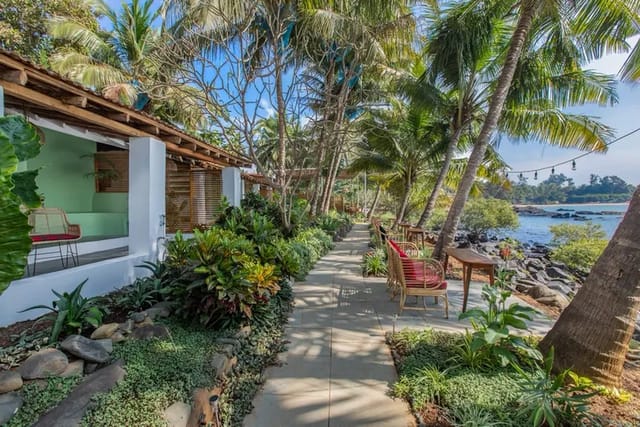
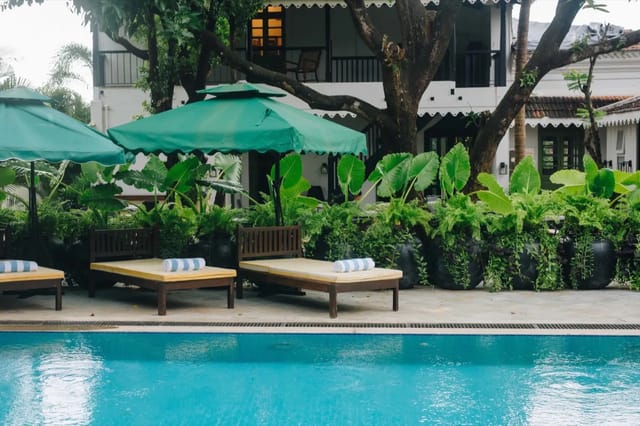
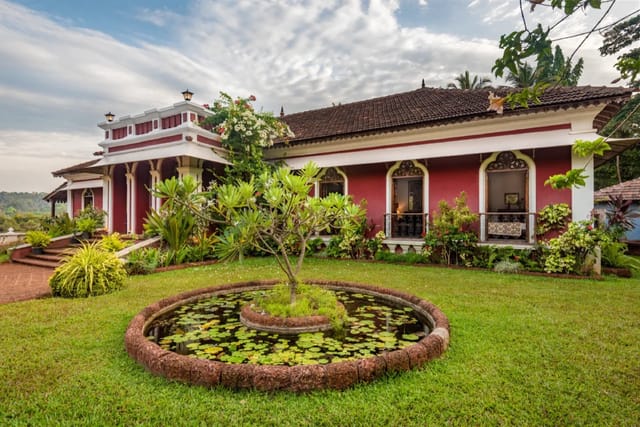
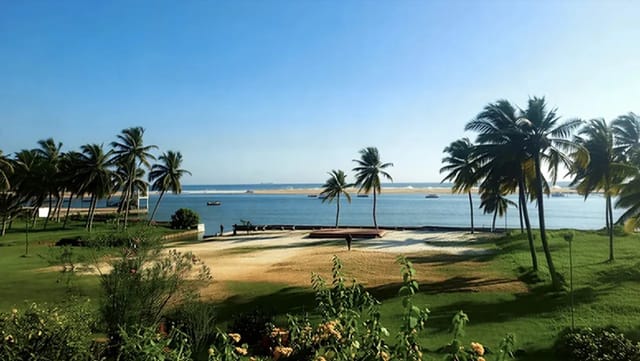
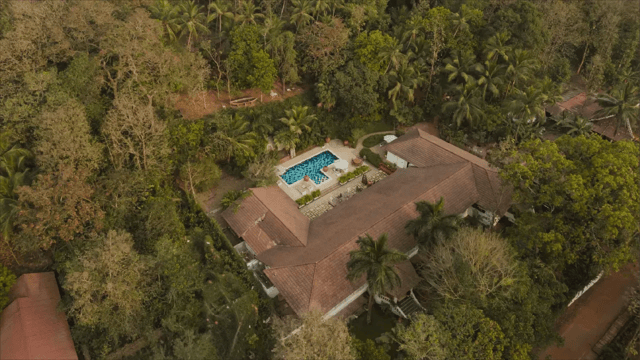
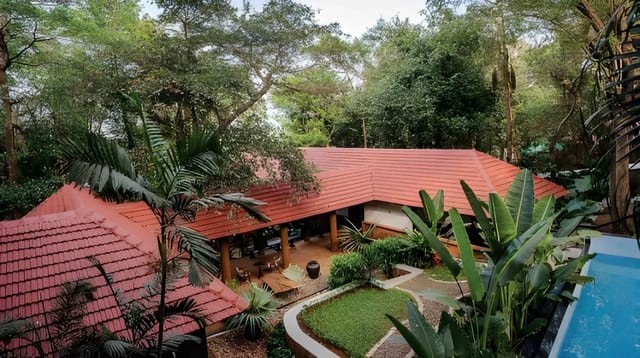
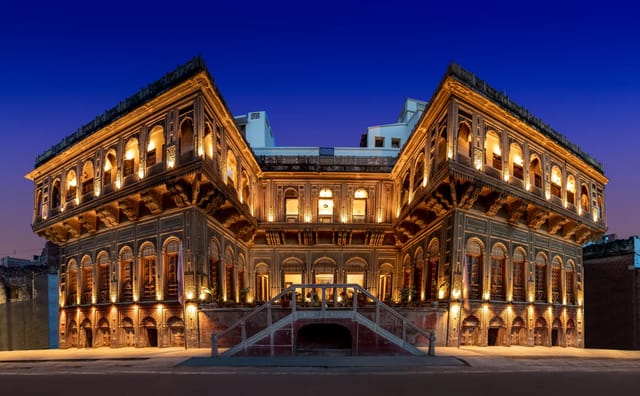
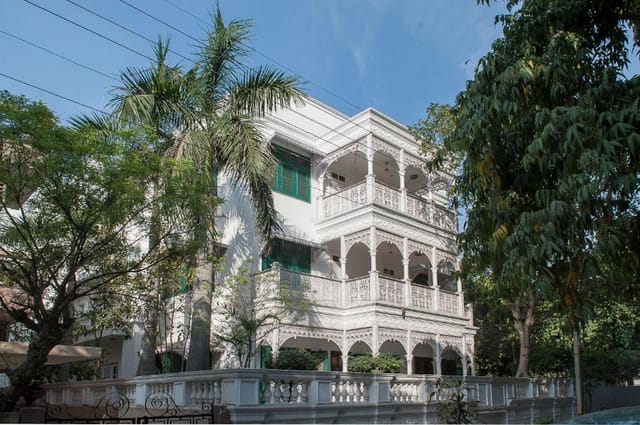
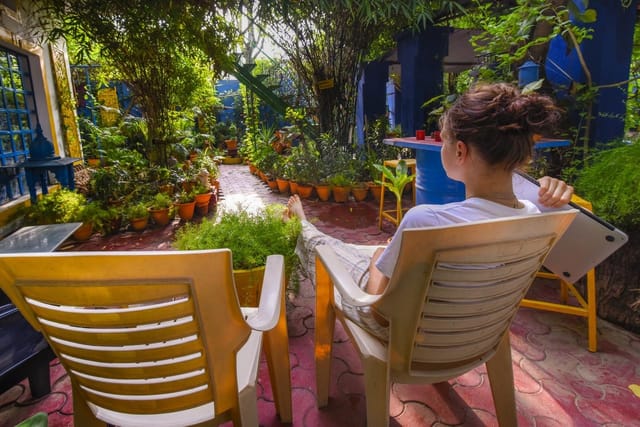
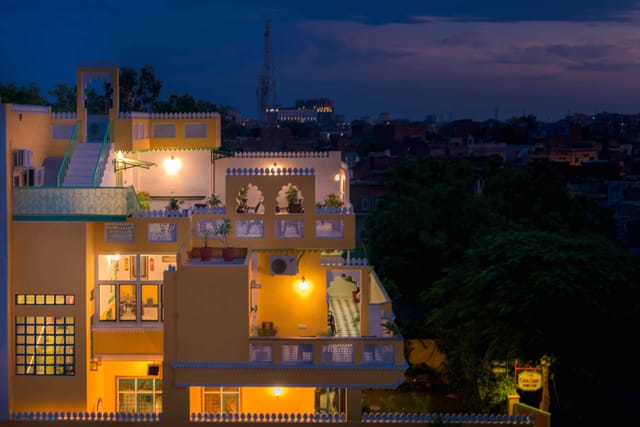
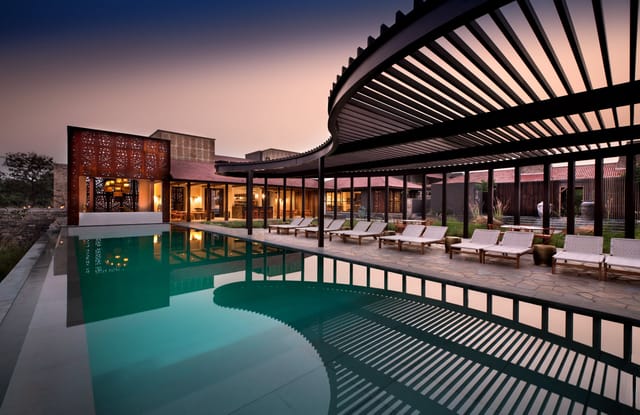
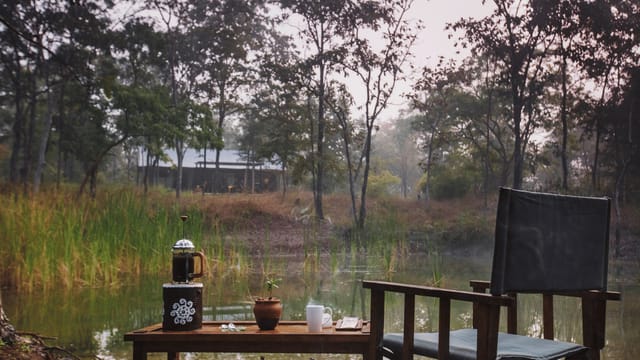
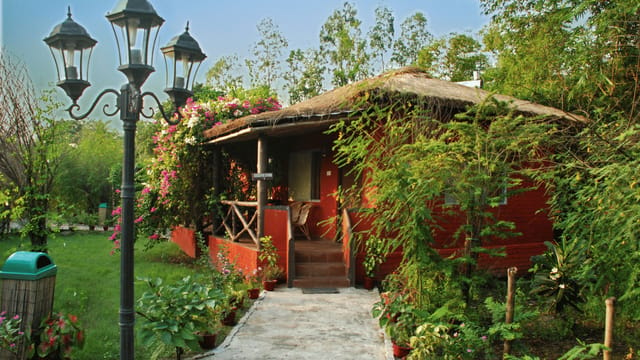
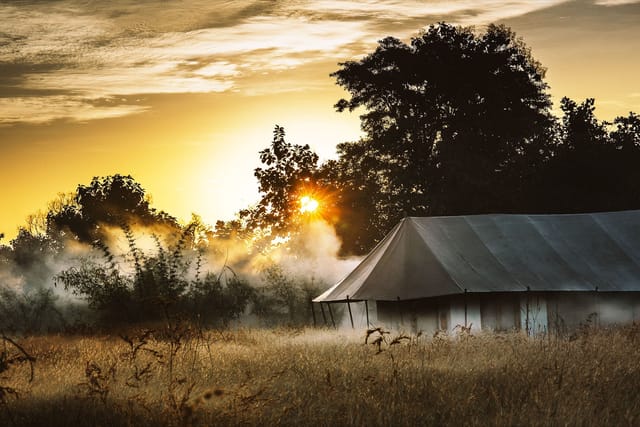
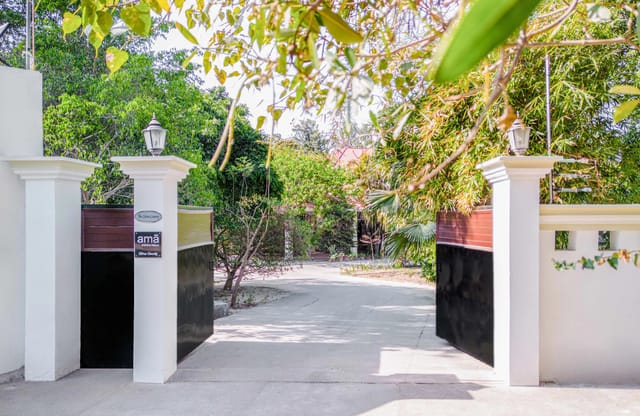
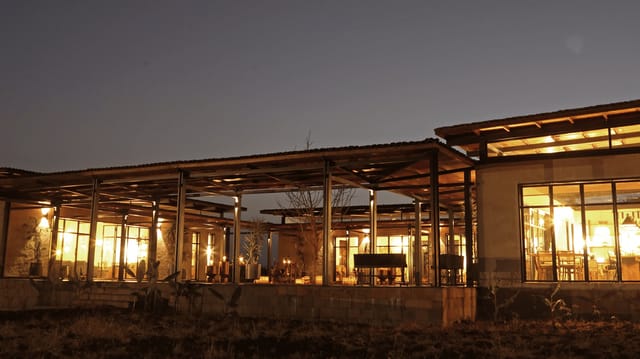
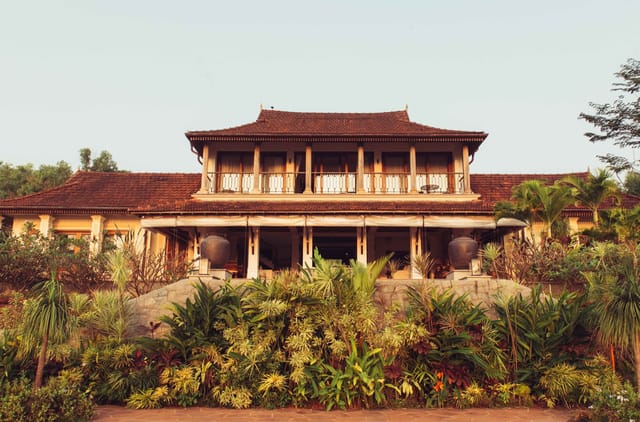
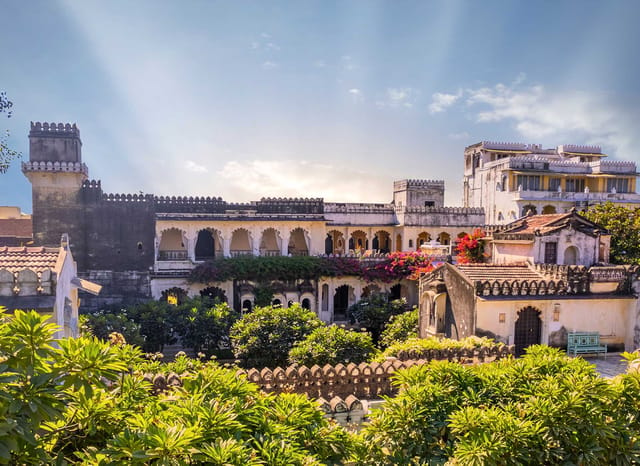
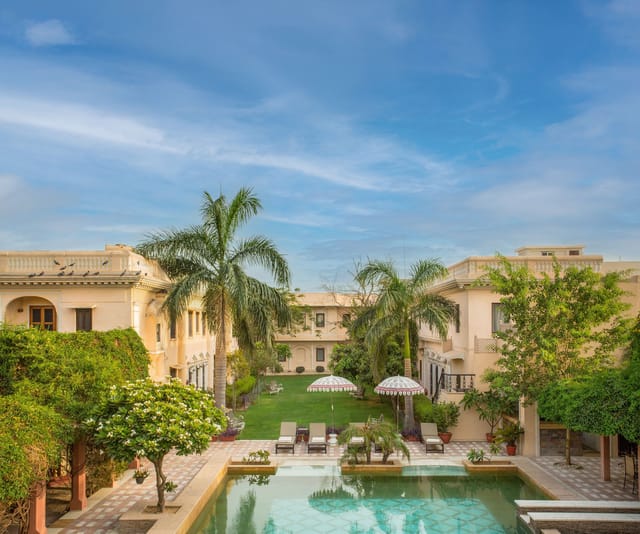
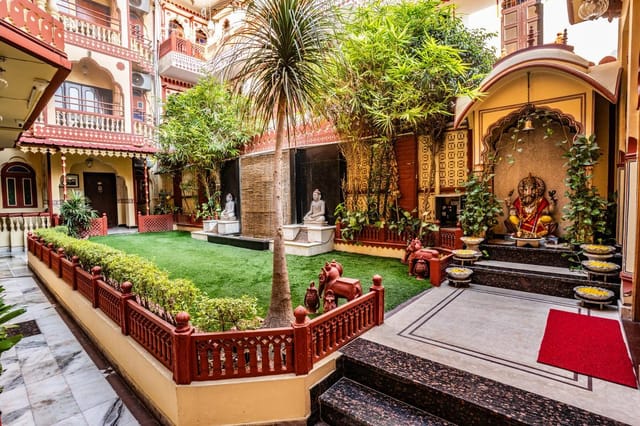
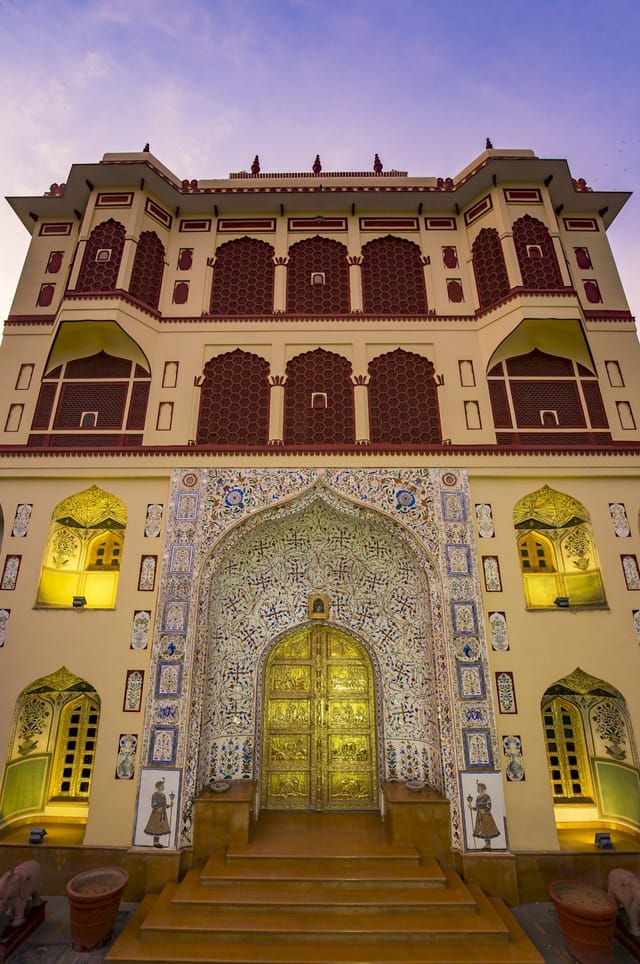
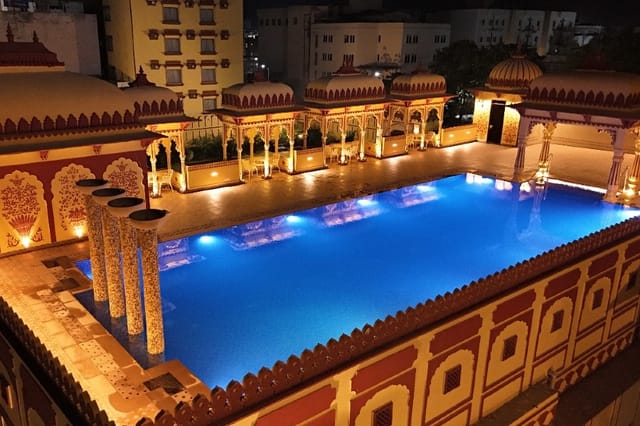
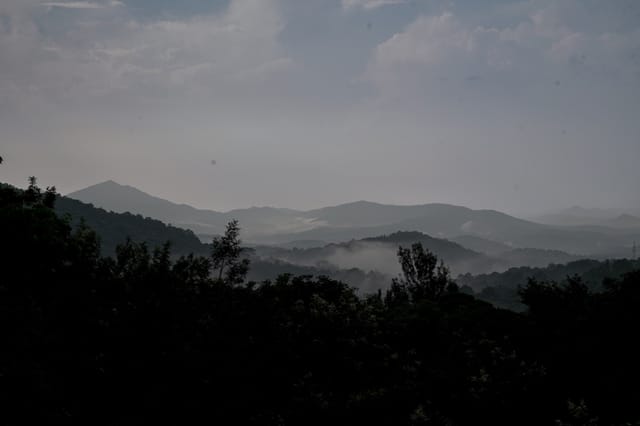
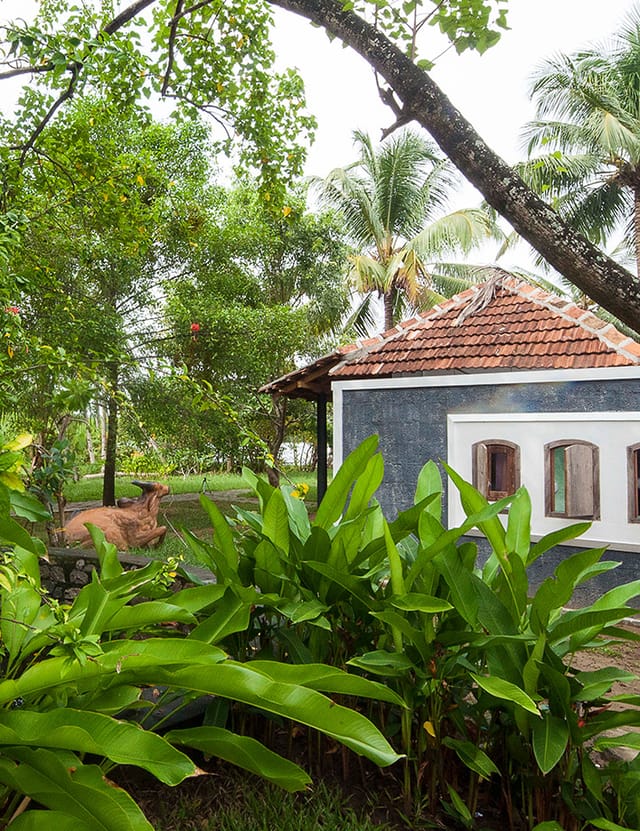
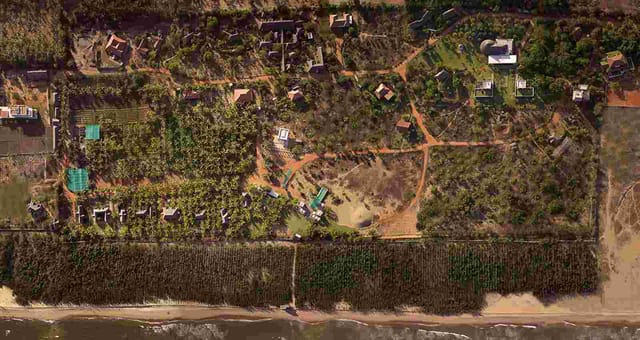
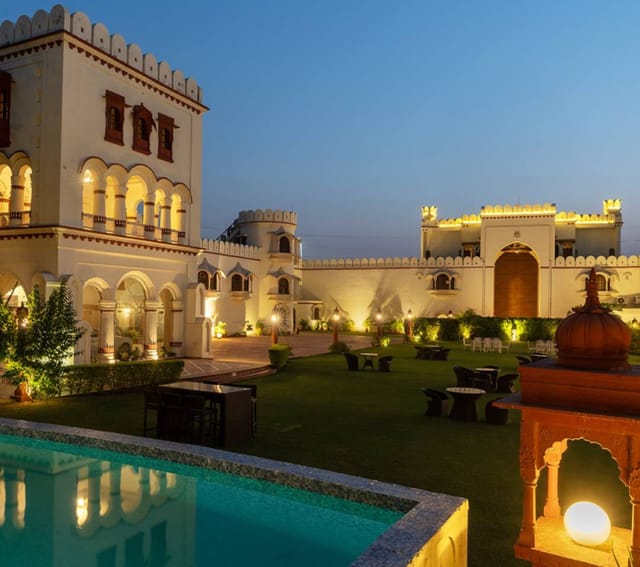
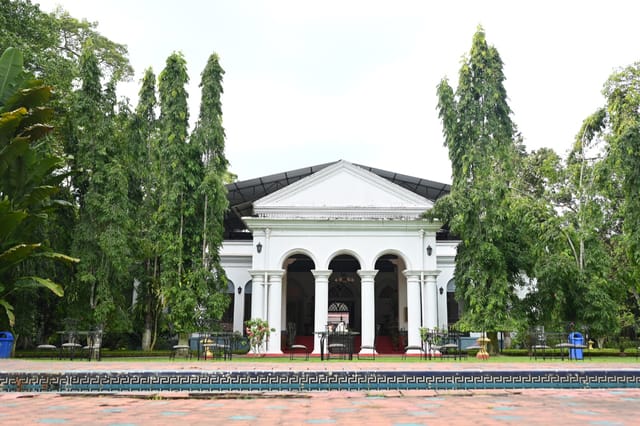
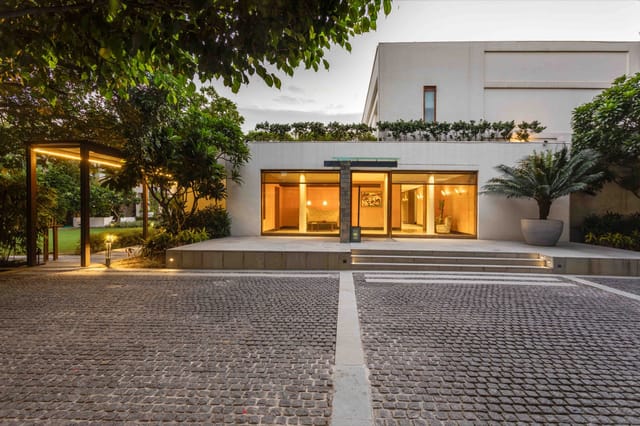
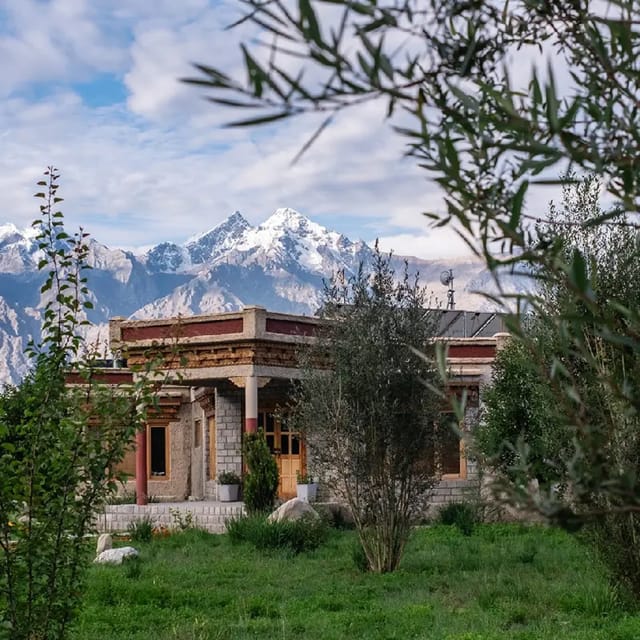
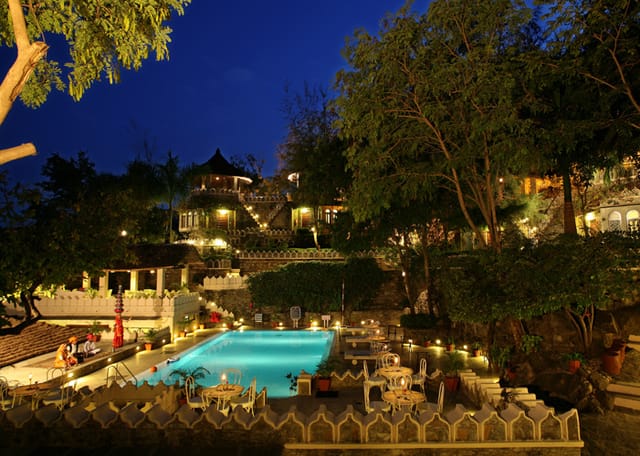
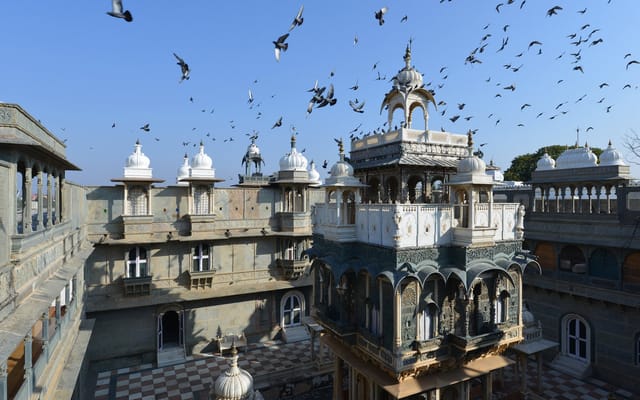
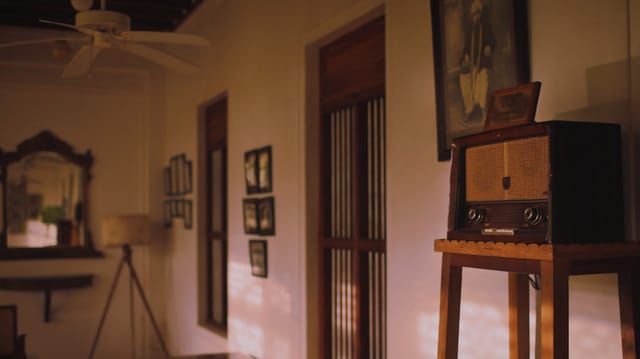
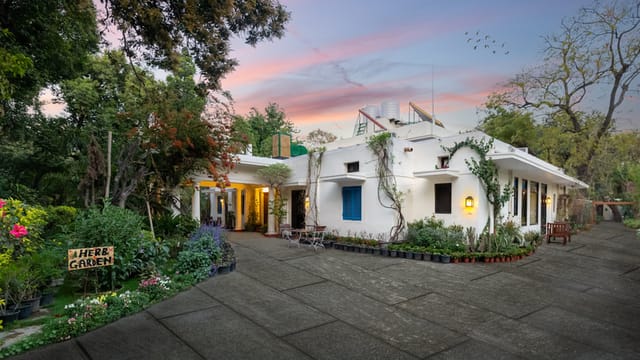
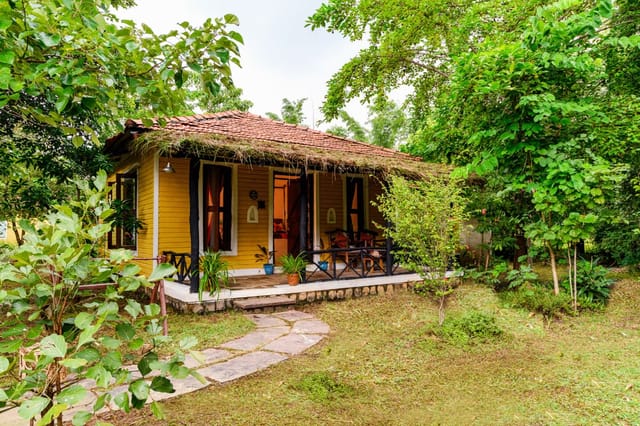
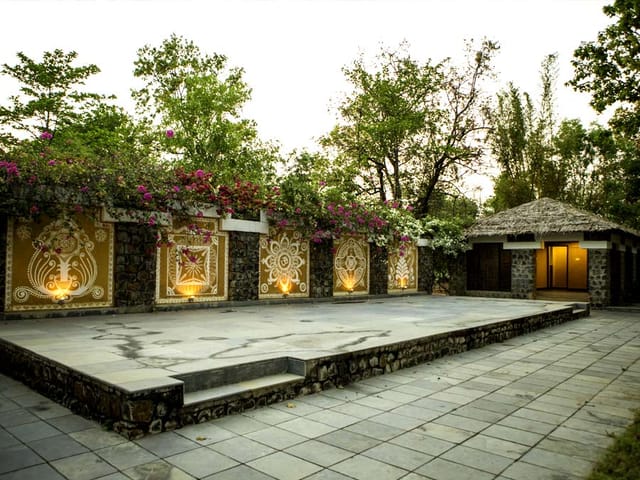
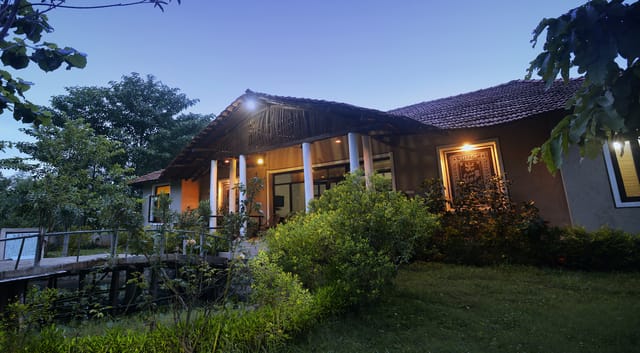
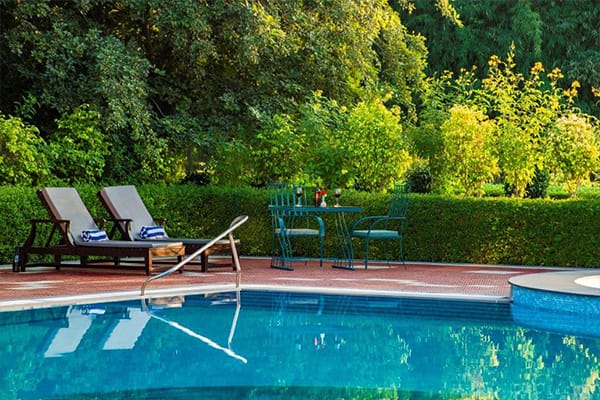
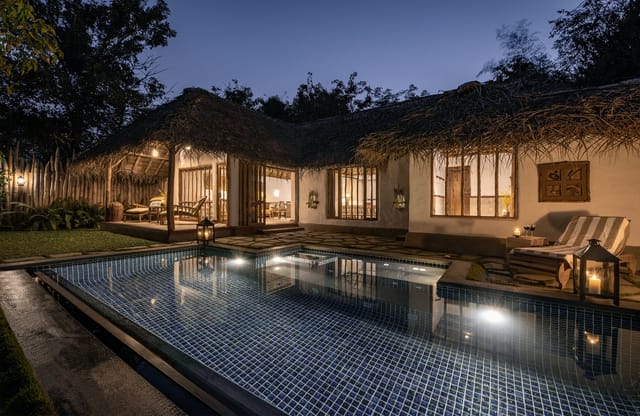
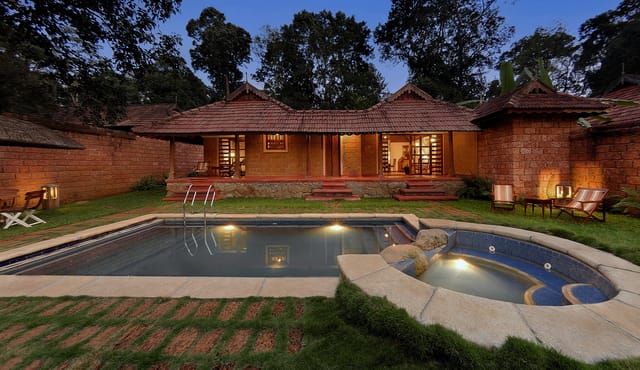
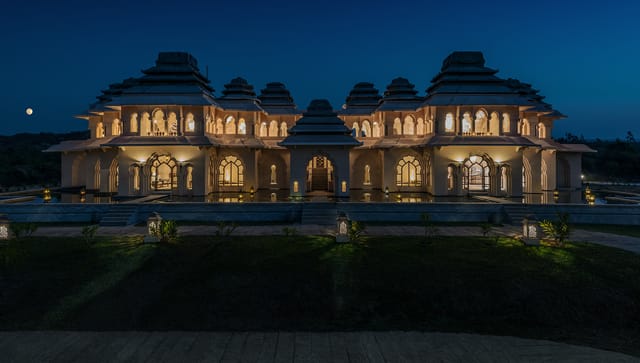
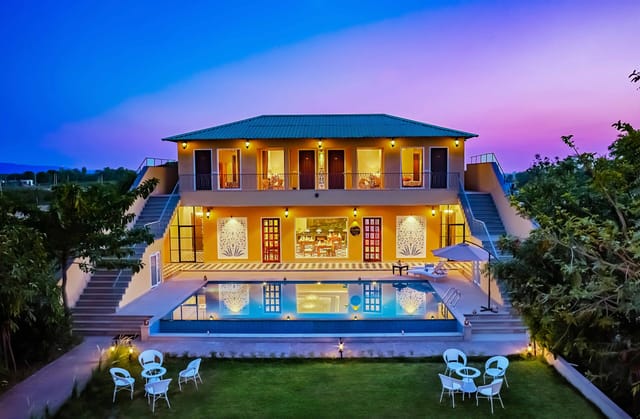
Rocky peninsula. Patnem Beach. Dolphins at sunrise. Casa Jaali is where you actually want to be in Goa.
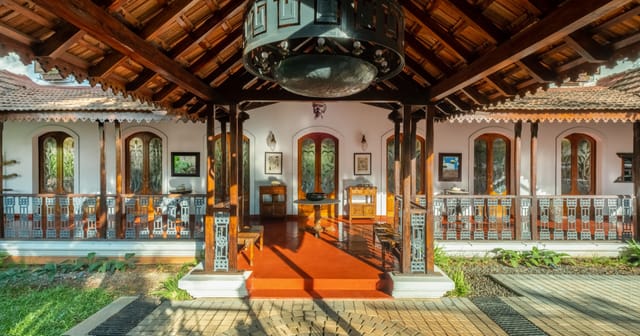
Authentic Goan architecture, locally crafted rooms, 35 meters from the beach. The real thing.
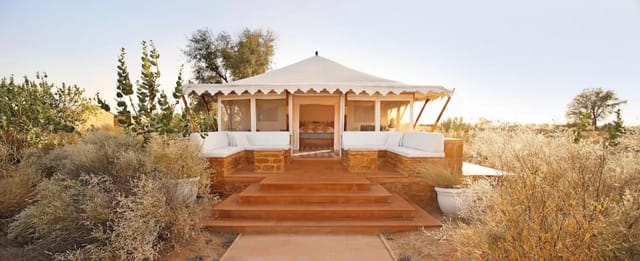
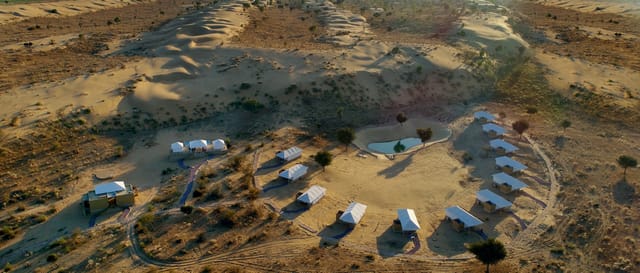
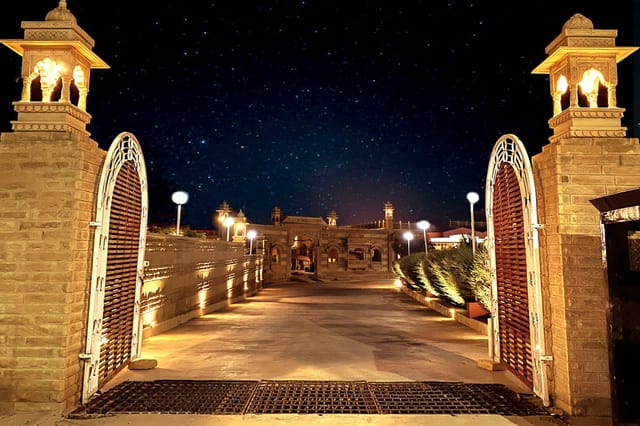
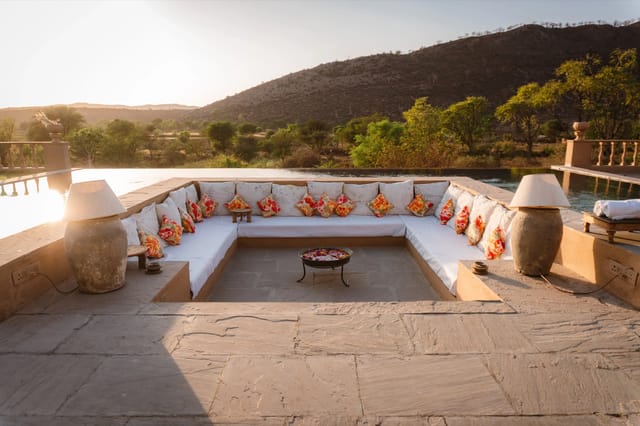
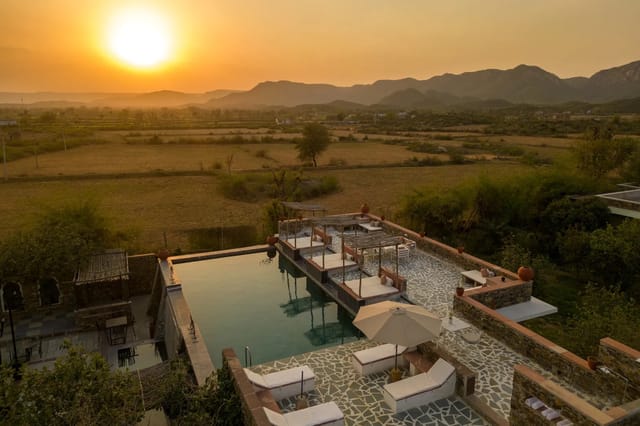
Twenty-one tents on the golden edge of the Thar: private plunge pools, Manganiyar bards by firelight, and dunes running to the horizon. Jaisalmer's living fortress is up the road.
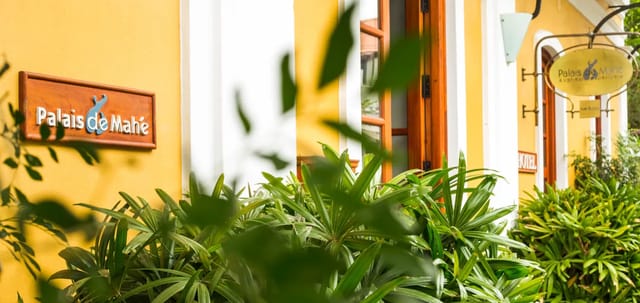
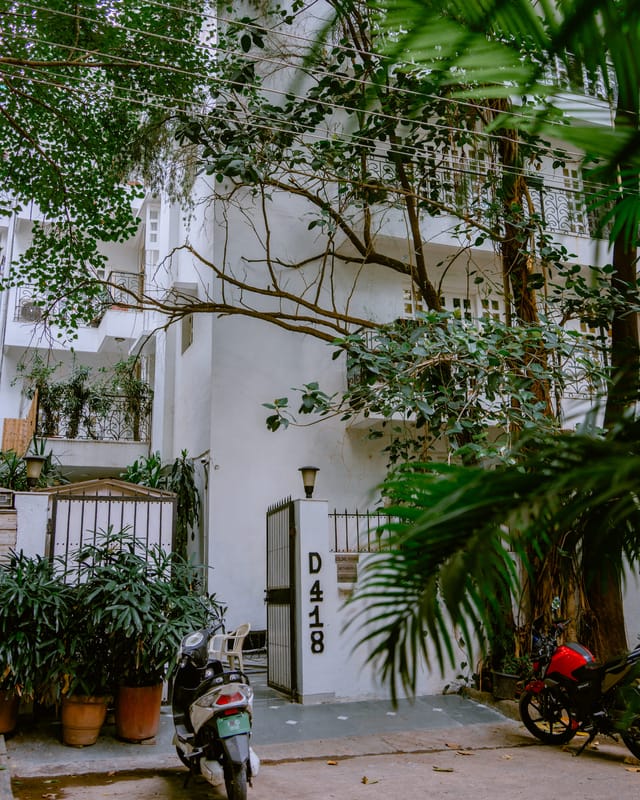
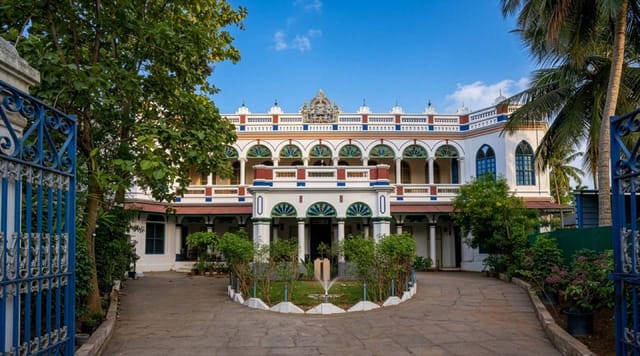
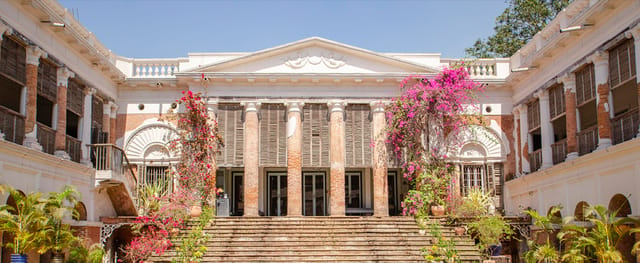
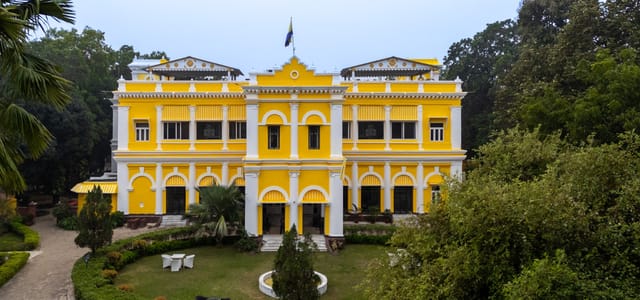
A mansion-style stay in Pondicherry's French Quarter where whitewashed arches and high ceilings meet the salt-air bustle of the Tamil coast just outside the door.
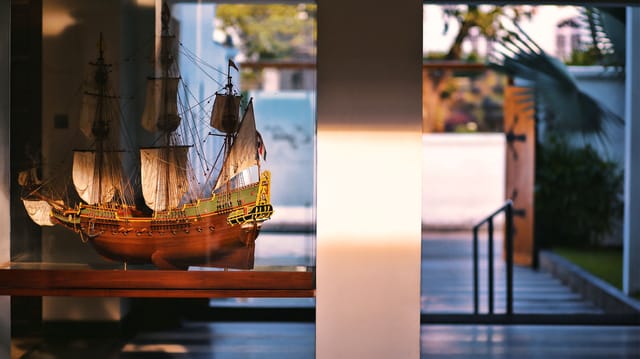
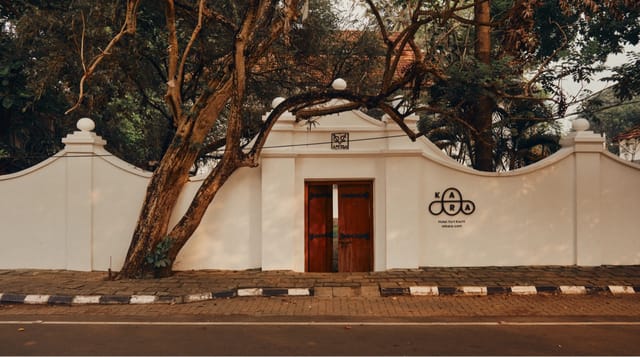
A CGH Earth property in Fort Kochi that wears its Dutch East India Company history lightly: think spice-trail dinners, a shipwreck story at reception, and a genuine effort to tread softly on the town around it.
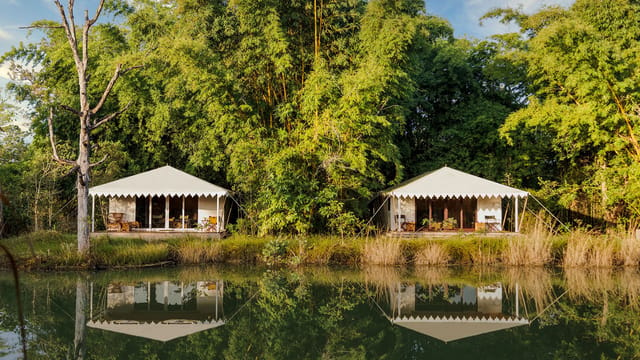
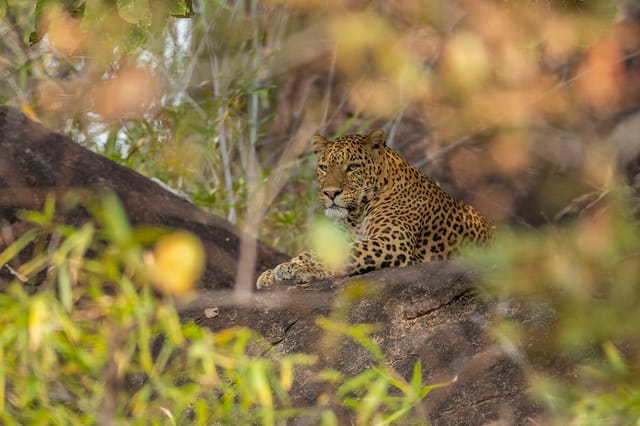
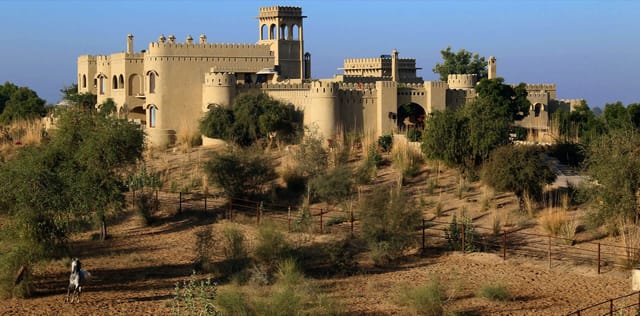
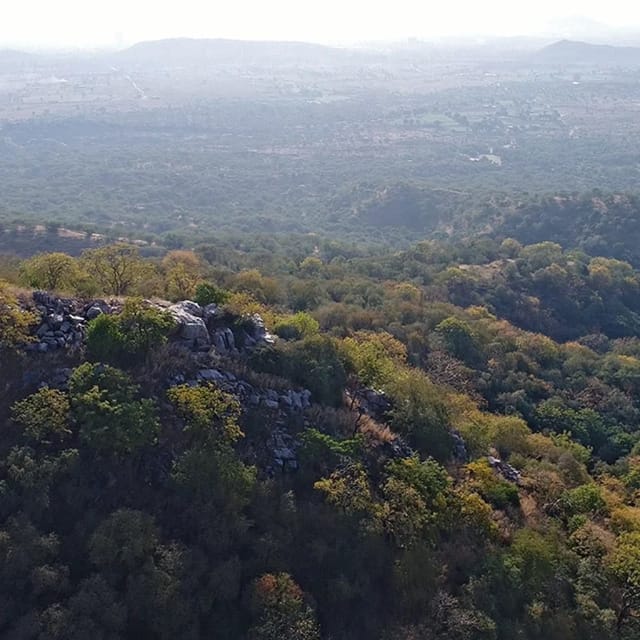
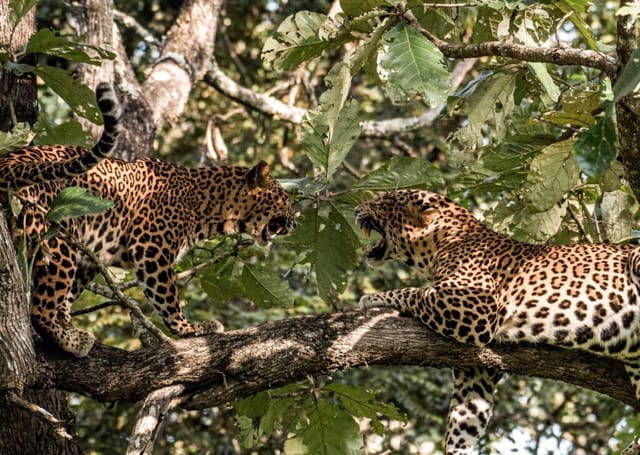
Ten tented suites among billion-year-old granite, where leopards live openly alongside Rabari herdsmen. Twice-daily drives, Marwari horses, and candlelit brass baths under the stars.
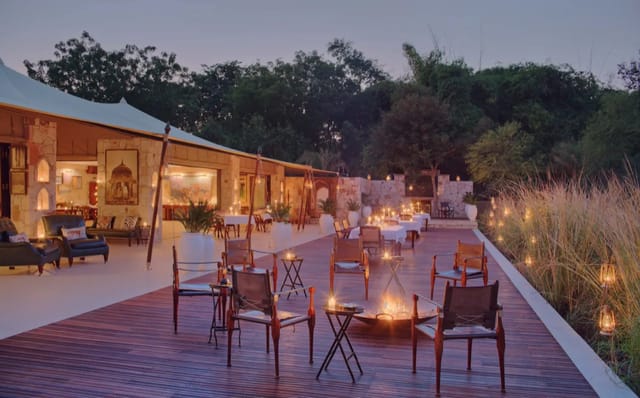
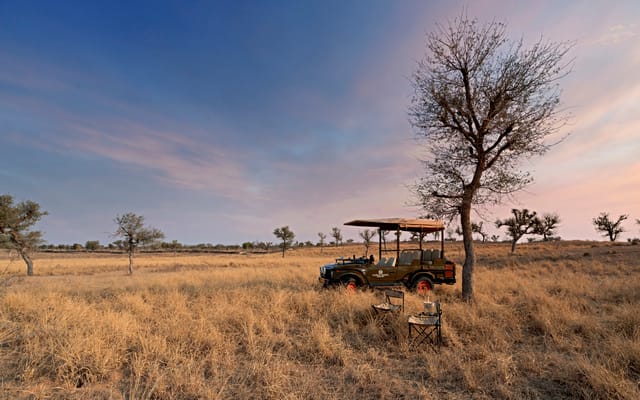
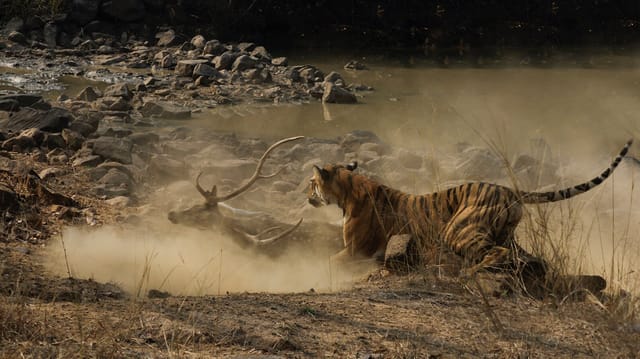
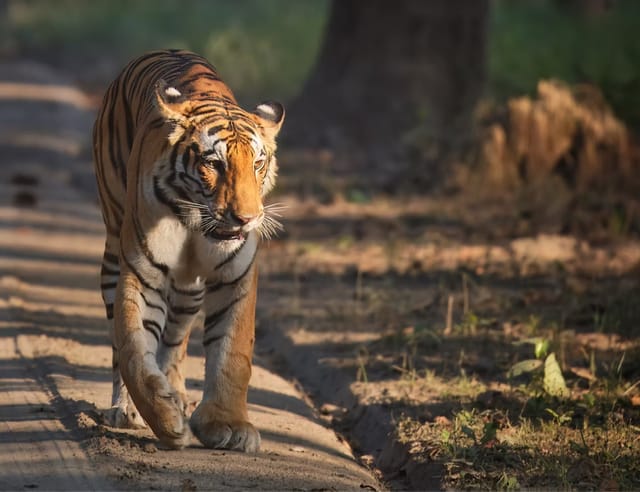
Twelve campaign-style tents on the edge of Ranthambhore: brass bathtubs, a Tatler-listed jungle spa, campfire cooking, and India's most celebrated tigers a game drive away.
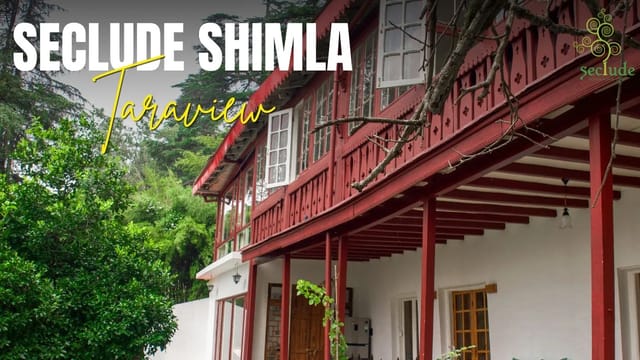
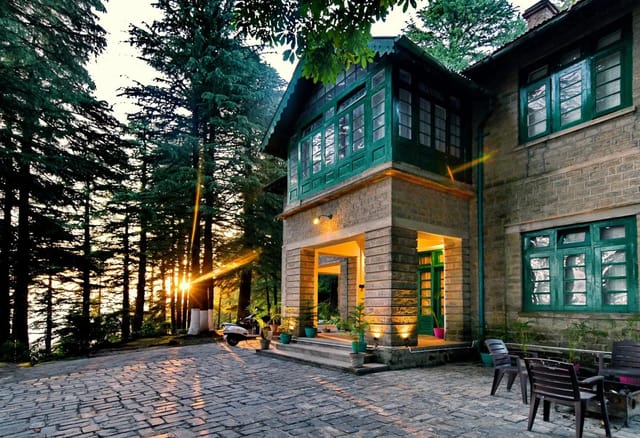
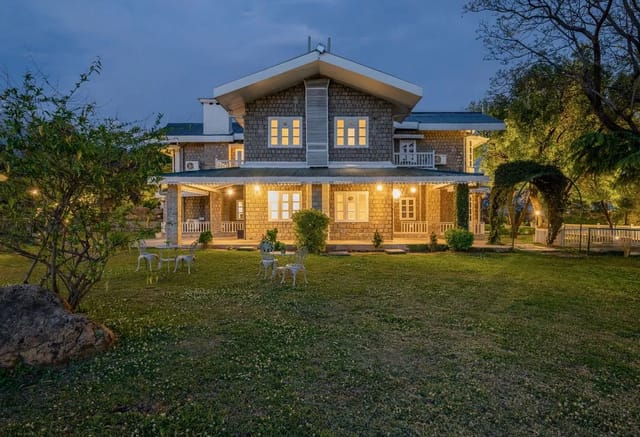
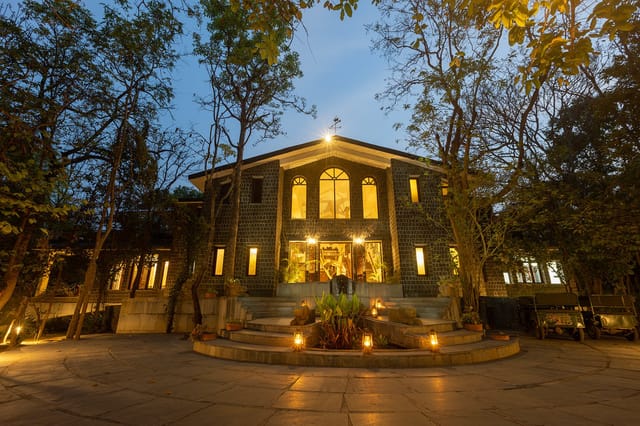
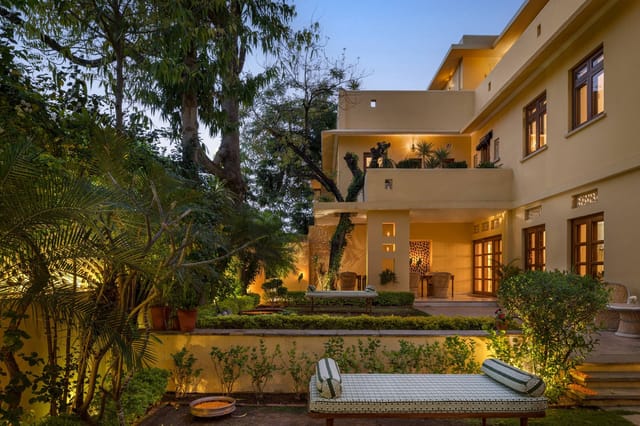
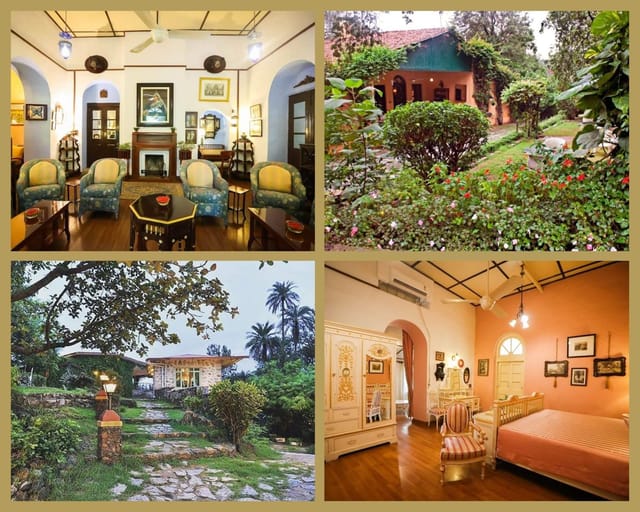
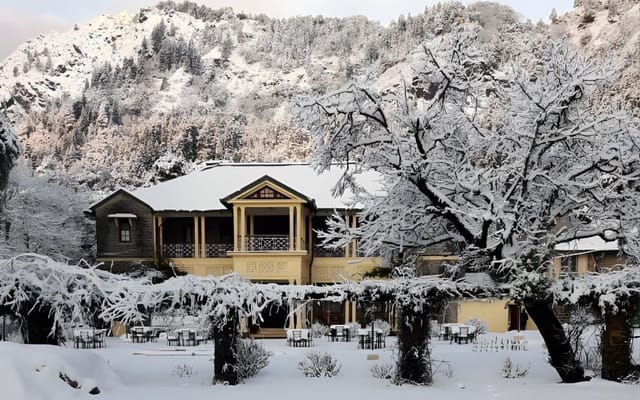
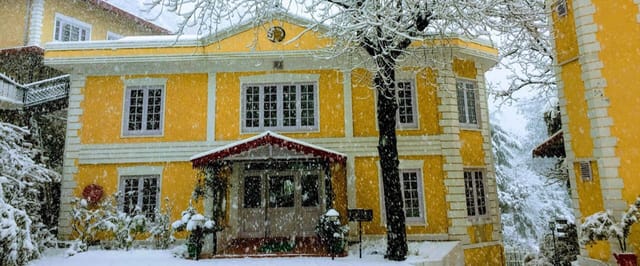
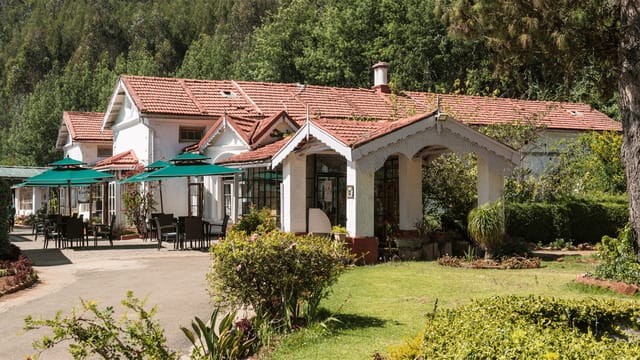
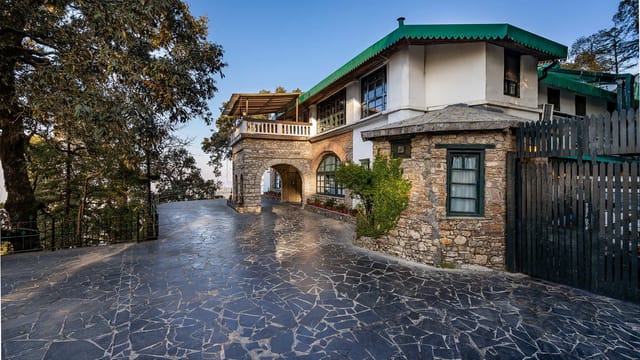
A colonial-era home above Old Shimla, all glazed verandahs and lime-plastered calm: six galaxy-named rooms, none alike, and a garden made for lingering.
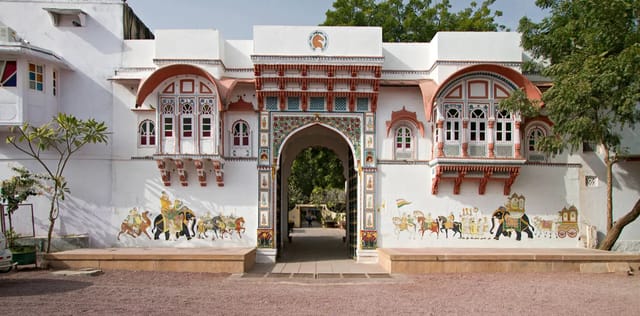
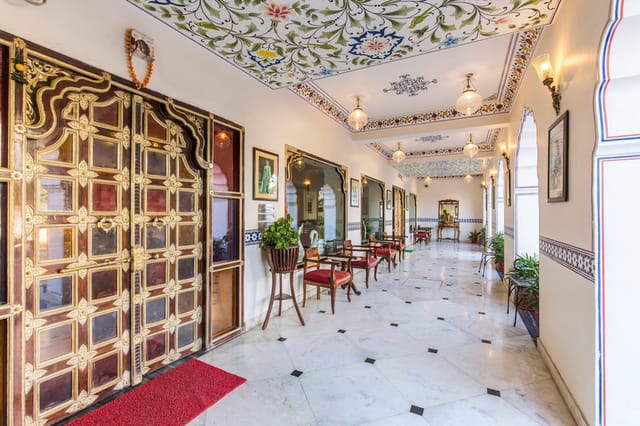
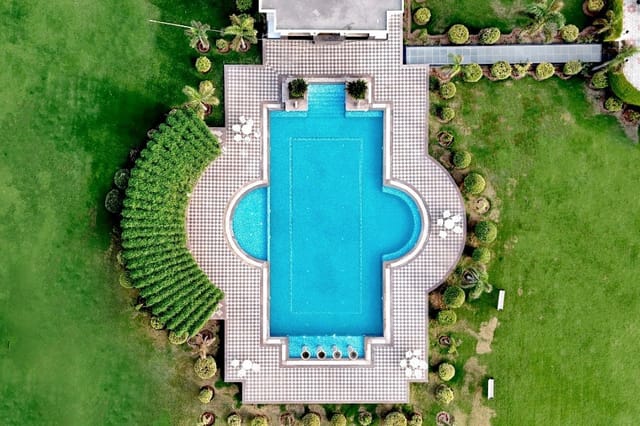
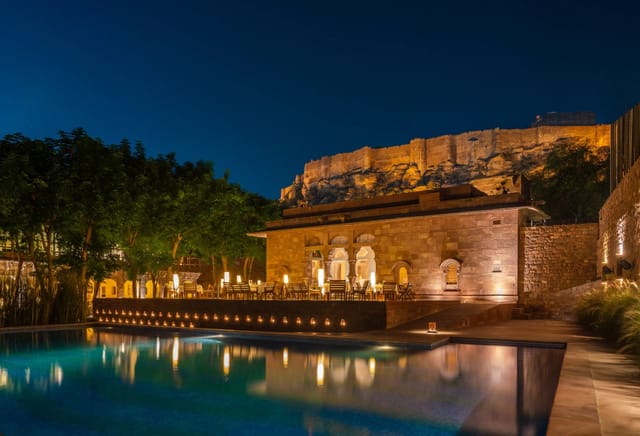
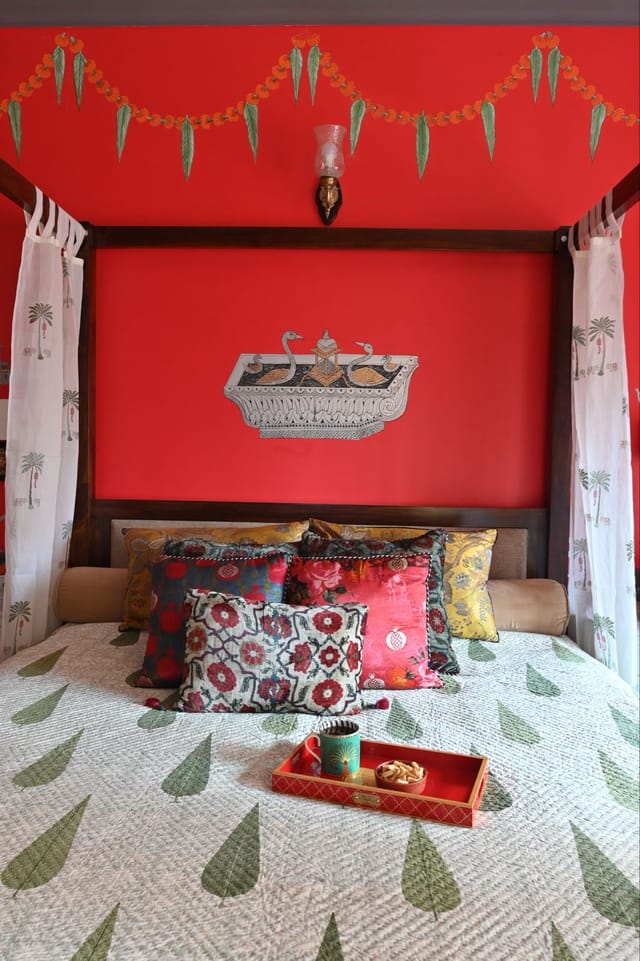
A classified heritage hotel at Rohet near Jodhpur, held by the same family since 1622 and receiving guests since 1990. Frescoed rooms, a courtyard pool, a family kitchen with its own cookbook, and a Marwari stable the family calls among the country's finest.
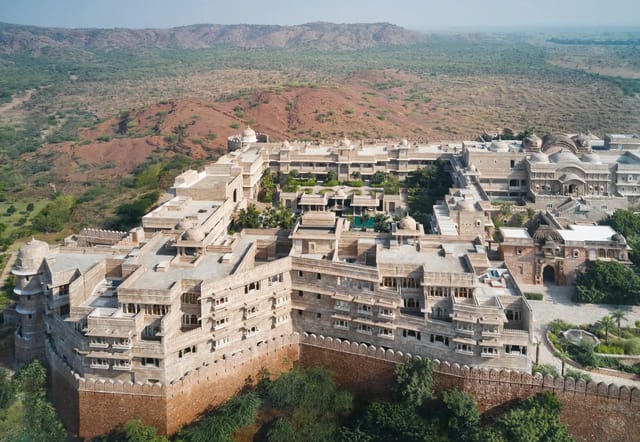
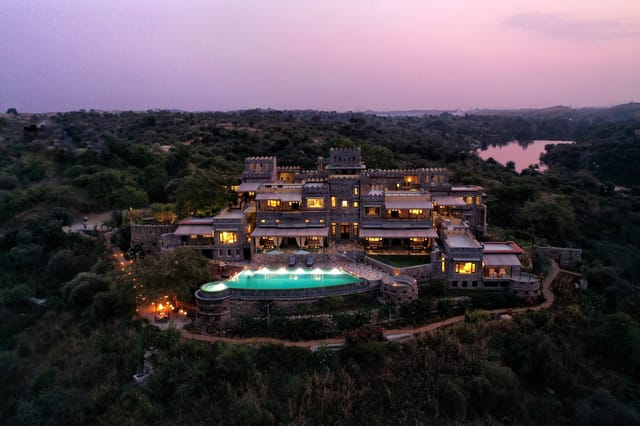
A 14th-century walled fort near Ranthambhore, restored over more than a decade into 48 contemporary Rajasthani suites, with two palaces, two temples and a 30,000 square foot spa inside the ramparts.
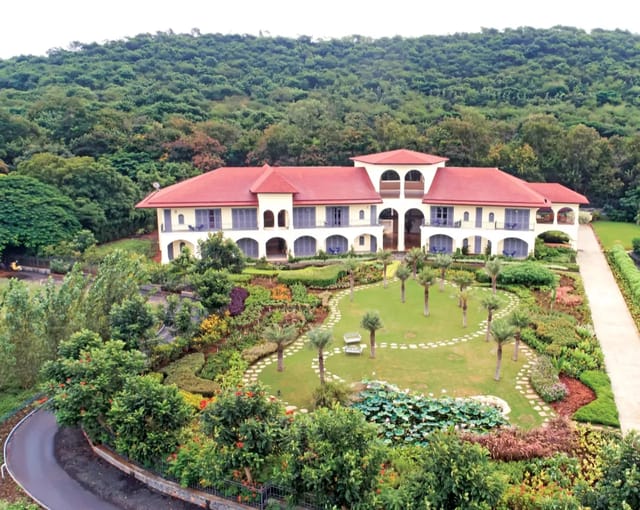
A cream-and-terracotta villa on the site of Sula's first winery, by the house's own telling, with rooms named after the world's wine regions and views running over the vines towards Gangapur Lake.
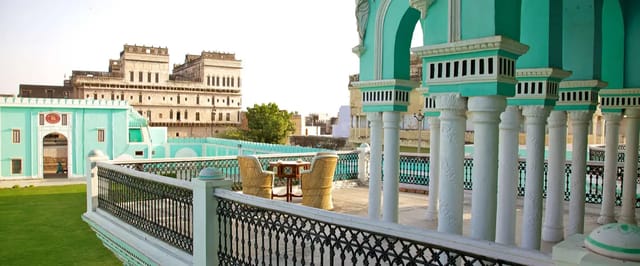
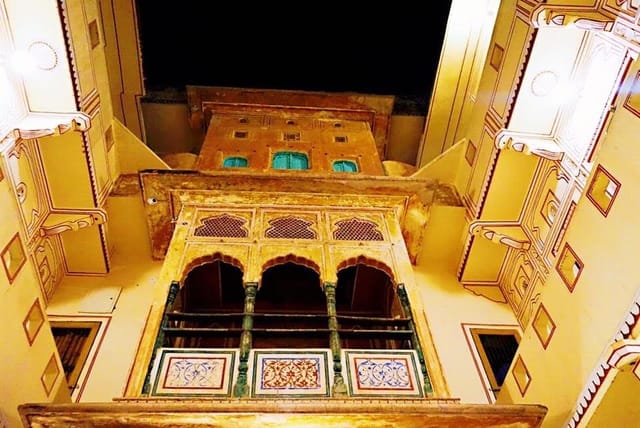
A century-old Shekhawati haveli in Churu, restored into a heritage hotel. Aquamarine stucco, carved balconies and muralled rooms, with the painted town and the desert on the doorstep.
In Aldona, inland North Goa, The Project Café has turned a 150-year-old Portuguese villa into an art-first boutique hotel with a pool, gallery, art bar and shop. Rooms are named after Goan places, and and, the hotel says outright, what catches your eye can be bought and taken home.
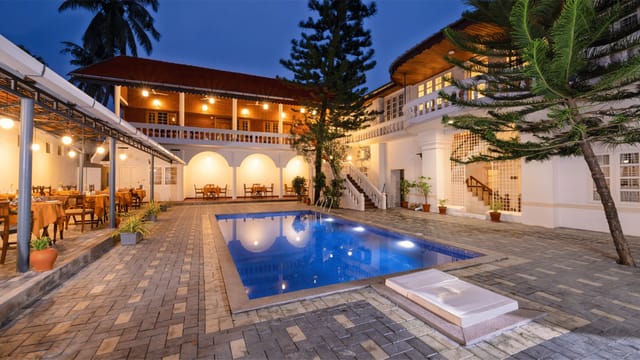
A Portuguese house of around 1919 at Siridao bridge in Goa Velha, lovingly restored from 2014 by local artisans and reborn as a six-room boutique hotel. Expect a courtyard pool between red arcaded wings, a waterfront cafe with a pastry chef they say is Le Cordon Bleu certified, five resident dogs and the sort of quiet that North Goa's beach belt forgot.
A 13-room boutique hotel in Agra's Taj Nagri, built by three friends with deep roots in the city. Rooms borrow from the Taj's arches and inlay work, the kitchen serves family recipes from within 50 km, and the tours go where day-trippers never do.
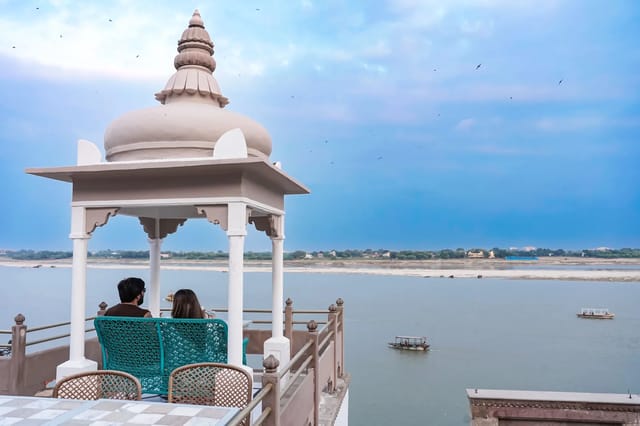
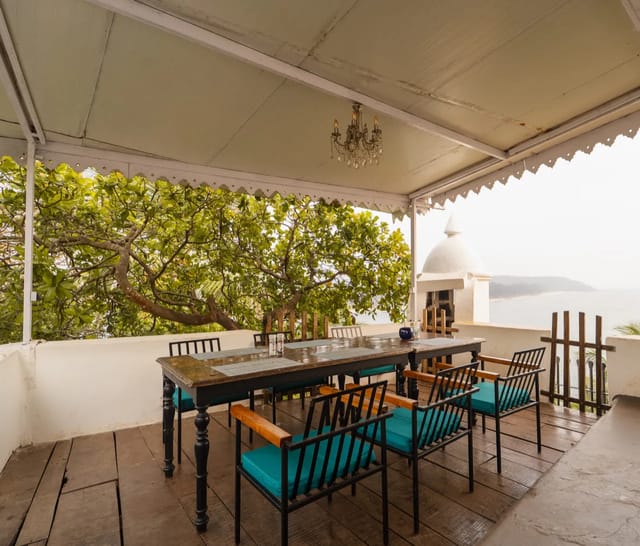
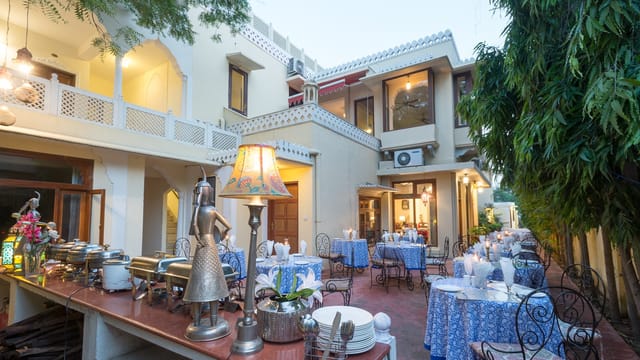
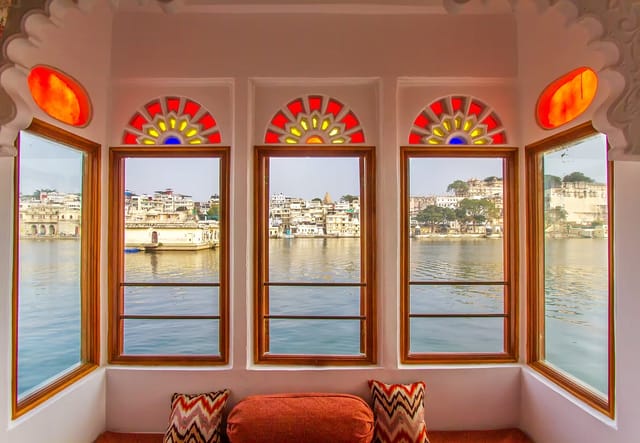
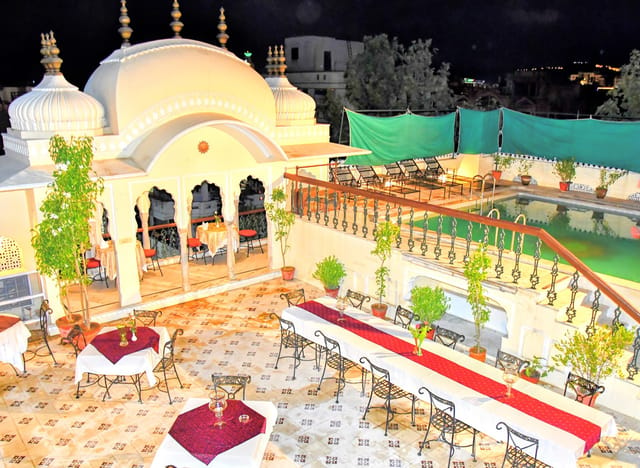
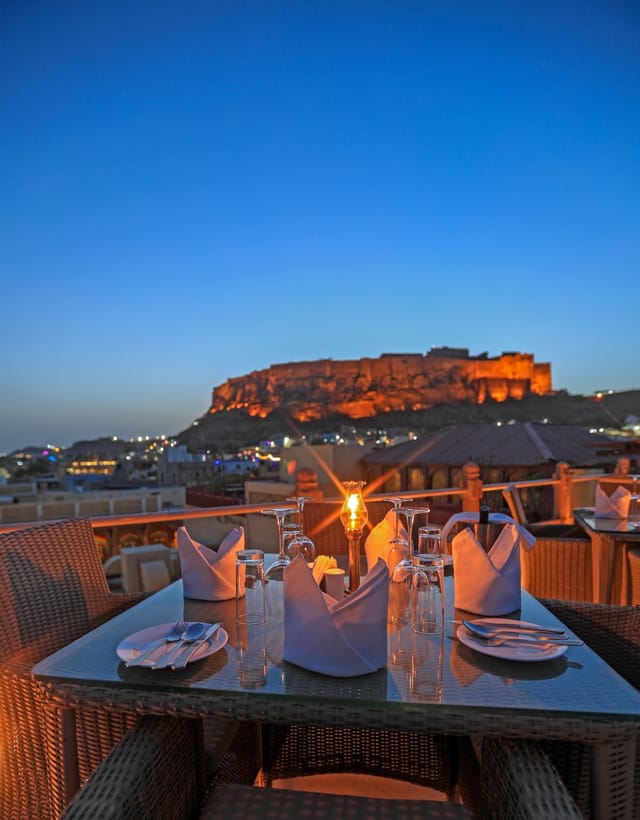
Lake Pichola on your doorstep, the City Palace next door, and a rooftop where the tables look straight across the water to the Lake Palace at sunset.
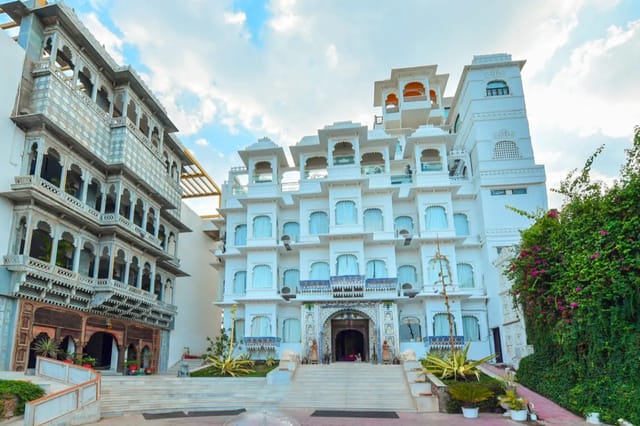
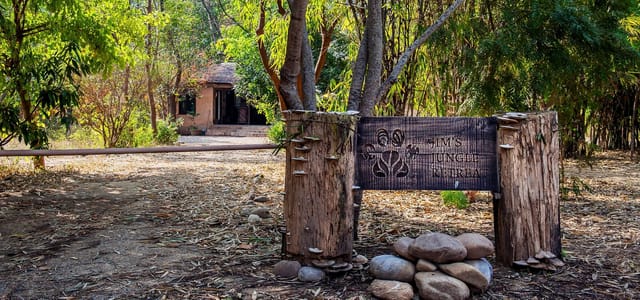
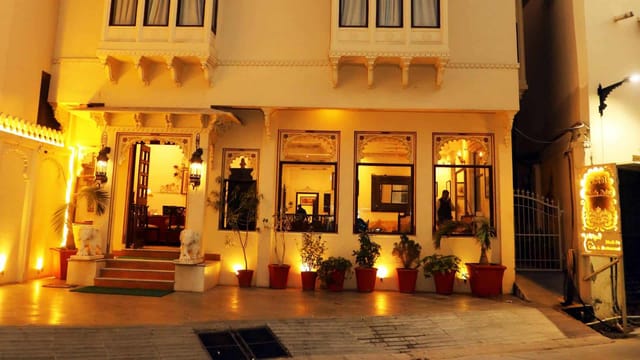
Jagat Niwas is a 27-room heritage haveli in the old city of Udaipur: Mewari arches, a mirror-ceilinged lake-view dining room, a rooftop plunge pool and a lakefront spa. A boutique address in the heart of the City of Lakes.
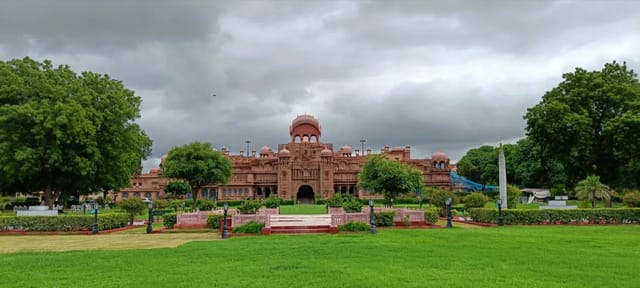
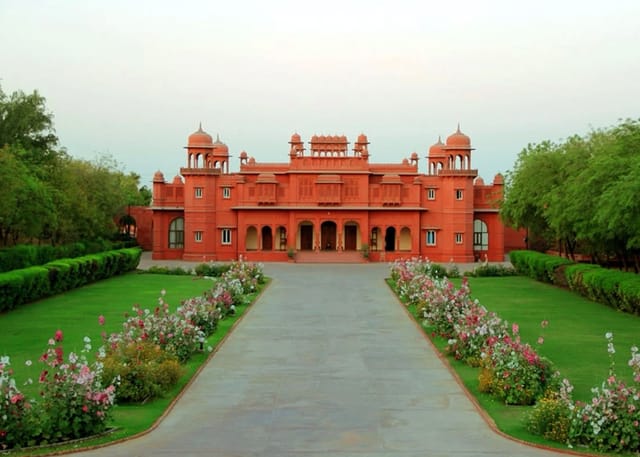
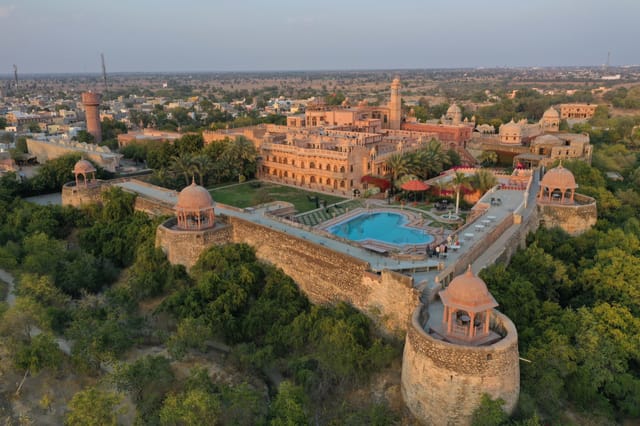
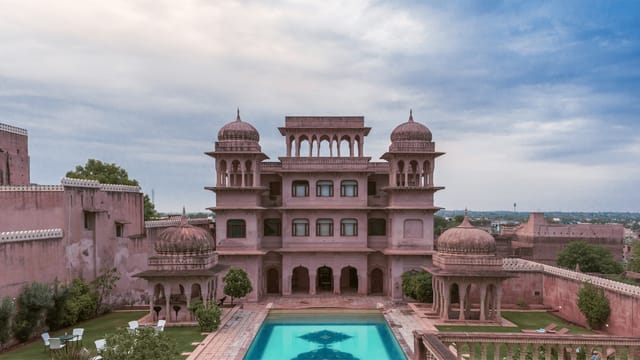
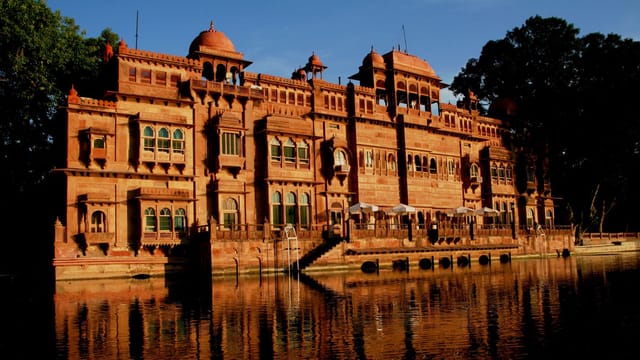
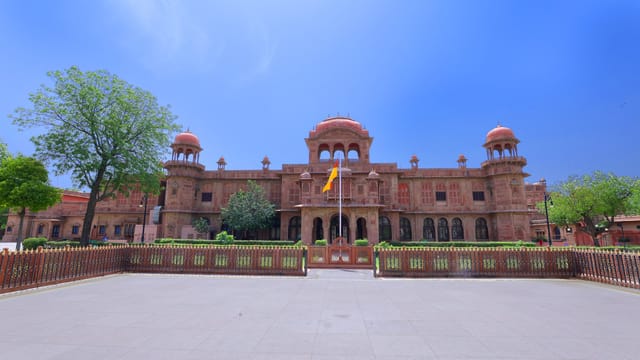
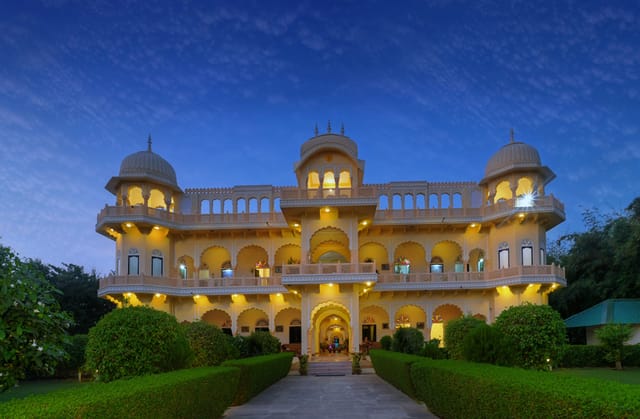
A red-sandstone palace on the edge of the Thar, raised by the Maharaja of Bikaner in 1904 and famous, even then, for guests who never quite wanted to leave.
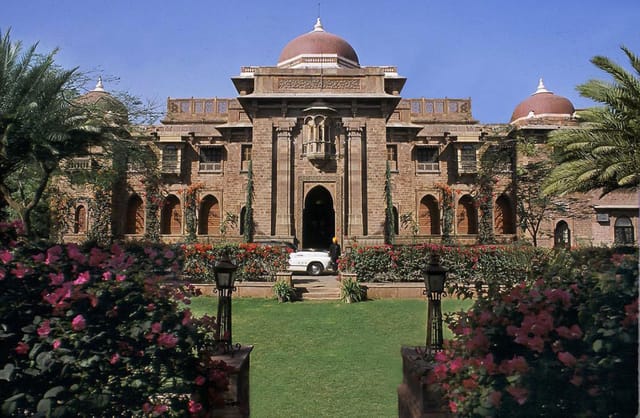
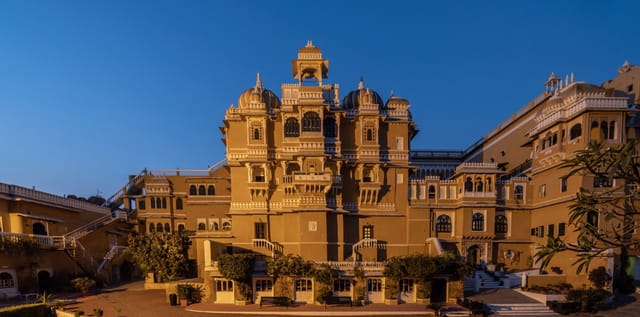
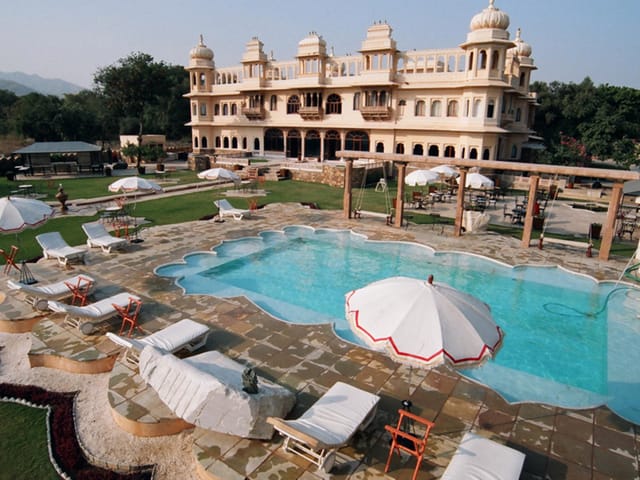
Domes and cupolas, deep-carved friezes, filigree stonework and latticed screens, set in formal lawns. The Laxmi Niwas Palace is the royal house of Bikaner, now a heritage hotel.
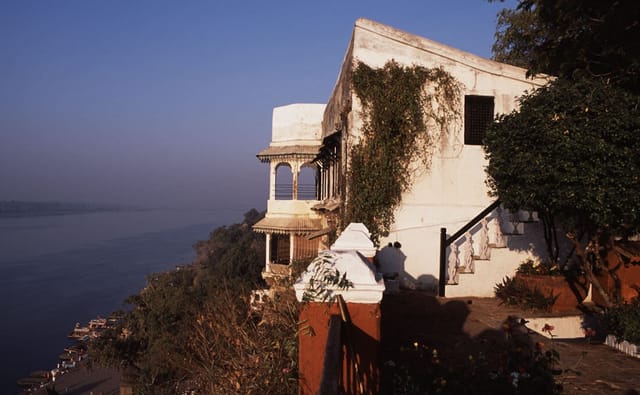
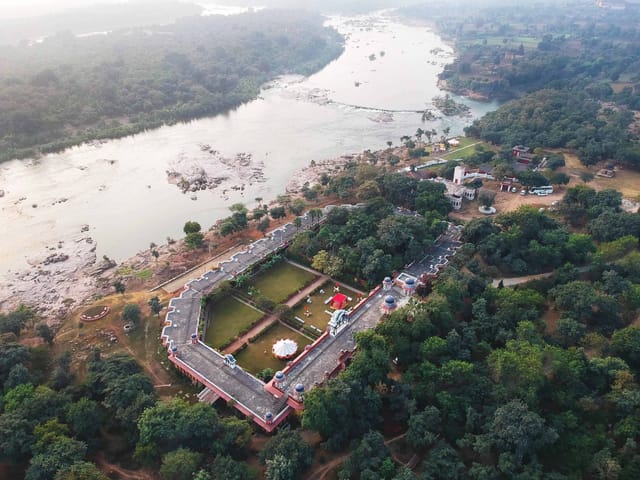
High above the ghats of the sacred Narmada, in the weaving town of Maheshwar, stands the 18th-century fort-palace of Ahilyabai Holkar, still in the family, and now opening its courtyards to a handful of guests.
Nineteen rooms across six old buildings, three walled courtyards, a garden pool, and a daily table grown in the fort's own beds. One of central India's great stays.
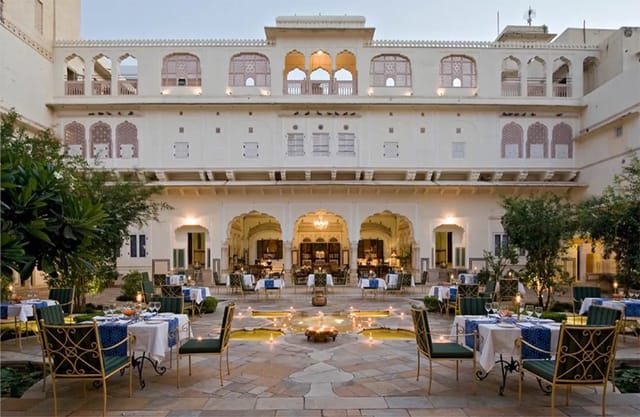
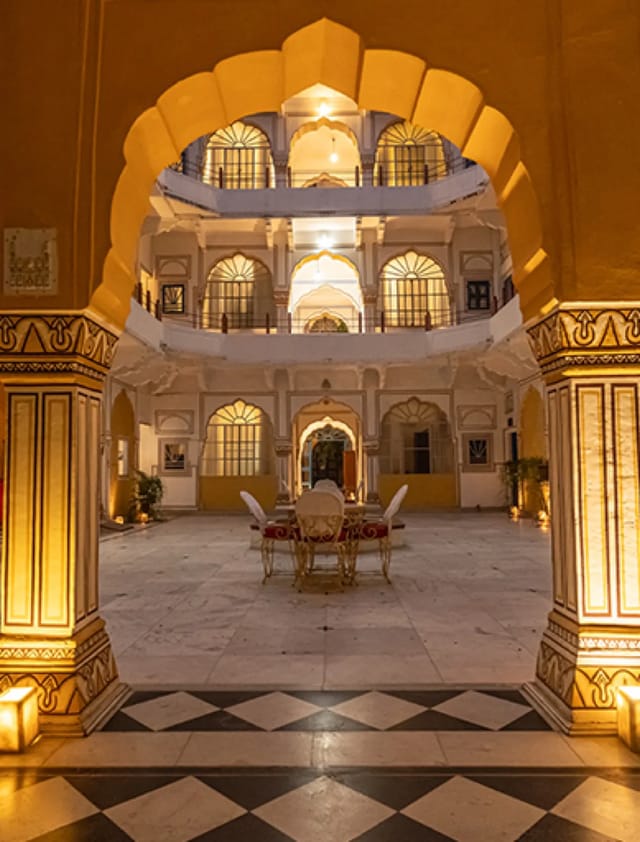
Down a lane in the old walled city, behind high gates, the Samode family's Jaipur townhouse hides a run of painted courtyards, frescoed halls, and a lotus-fountain garden you dine around by candlelight.
Around 225 years old and still family-run, one of the loveliest heritage stays in the Pink City.
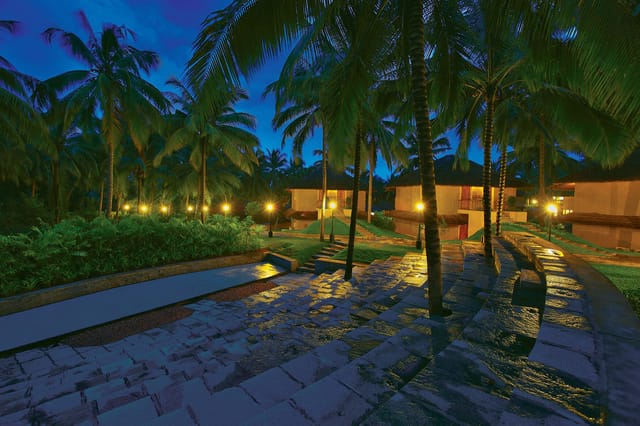
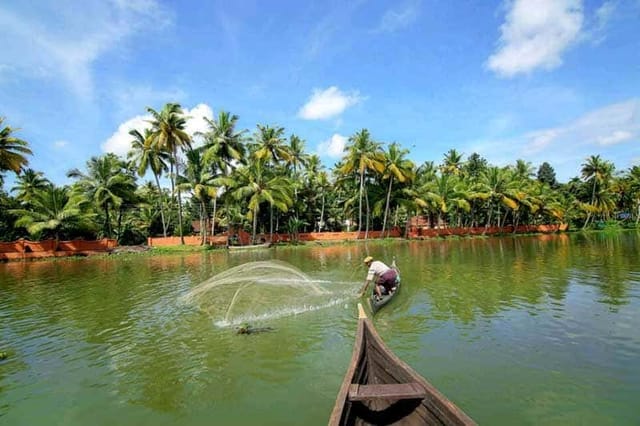
On the banks of the Poovar River at the far south of Kerala, where river, beach and backwater meet, Isola di Cocco is a coconut-grove retreat of Kerala-style villas, a private beach, and a proper Ayurvedic centre on site.
Its name means the Island of Coconuts. Days go slowly here: the pool, the sand, or the long calm of an Ayurveda treatment.
On a headland at the very top of Goa, where the Arabian Sea meets the Terekhol River, a small 17th-century fort keeps a whitewashed chapel and a handful of rooms above the water.
Cross on the little ferry, climb to the ramparts, and Goa empties out below you. Fort Tiracol is the quiet, old-Portuguese Goa most people never find.
A 19th-century thikana palace in the middle of Jaipur, still run by the Diggi family who built it, some eighteen acres of courtyards, arched gateways and lawns behind the city walls.
Home of the Jaipur Literature Festival since 2006, and a genuinely warm, unstuffy heritage stay the rest of the year.
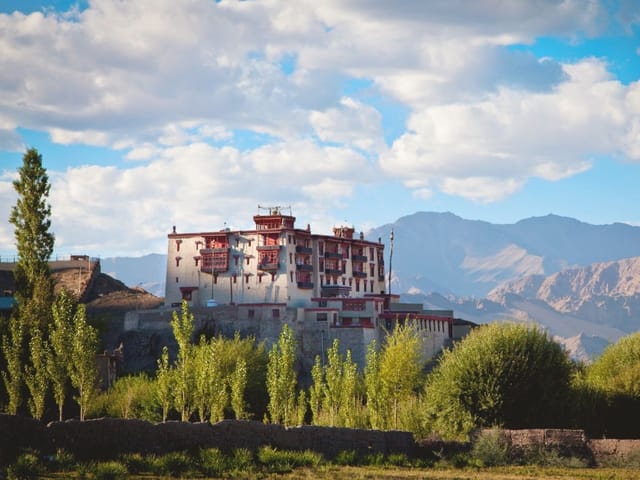
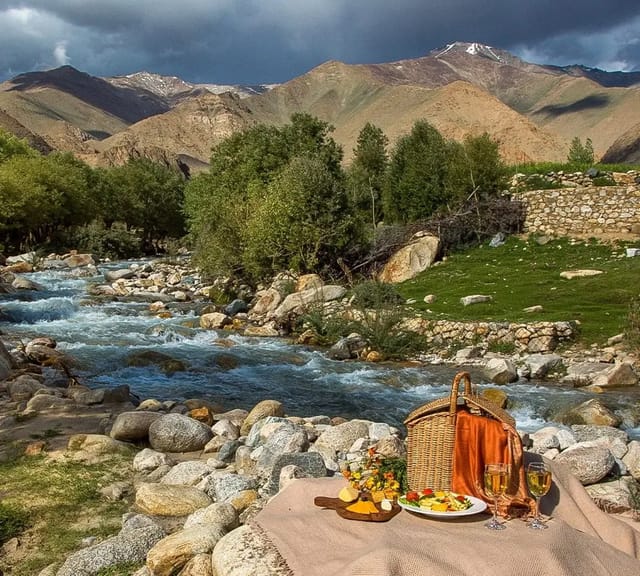
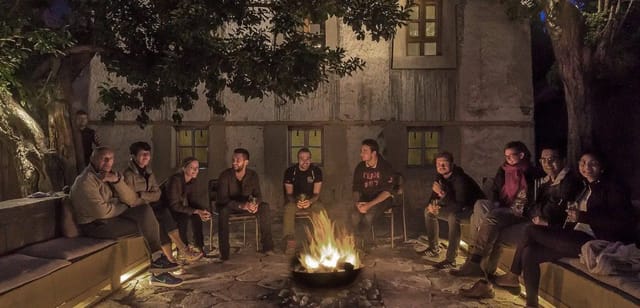
Above the Indus near Leh, the Namgyal family's home of two centuries takes guests, a monk on the top floor, the royal museum, and three villas in the apricot orchard.
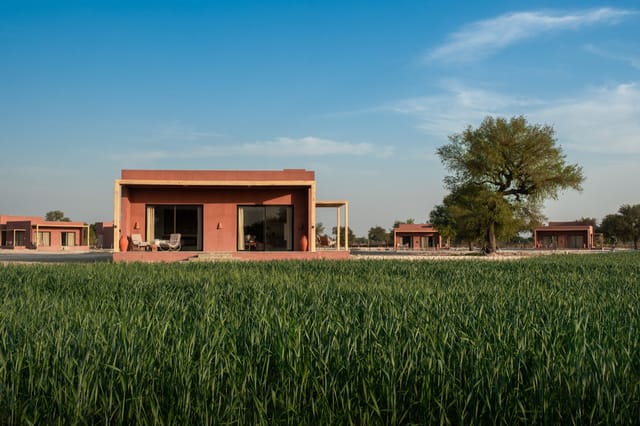
Mharo khet is Marwari for 'my farm'. On 40 acres outside Jodhpur: ten raga-named cottages, a nine-course dinner in the guava orchard, a spot on TIME's World's Greatest Places list, and One Michelin Key in the Guide's 2026 selection.
An hour from the Taj: a family seat traced to 1472, fourteen rooms in regrown forest, and slow boats past wild gharials on a river that bandit legend and an ancient curse kept blissfully undisturbed.
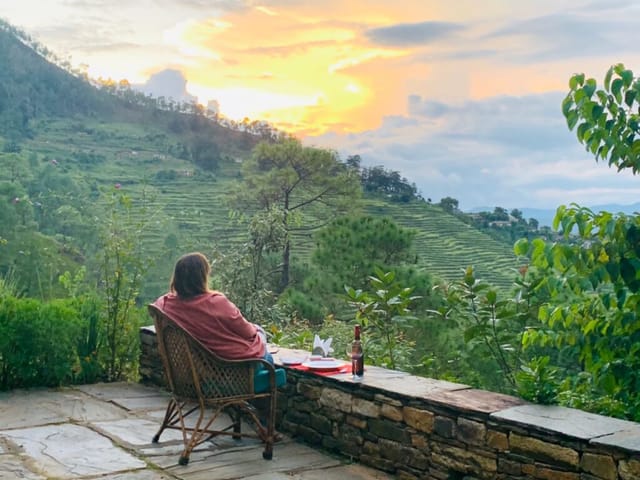
A sanctuary of stone and wood at five thousand feet in Bhowali, heart of the Kumaon Lake District, with Kumaoni cooking from its own herb garden and treks from the door.
A seven-room Indo-Portuguese villa hidden in Loutolim's forested heart, named for susegad, the Goan word for taking life slowly, slow days of river fishing, nature walks and birdsong.
A 130-year-old colonial cottage atop Moti Tiba's deodar-clad heights, a kilometre from Dalhousie's Gandhi Chowk, with bay-windowed rooms and dining at Cedar.
Heritage suites named for Viceroys on a 161-year-old tea garden estate, its 16 acres of plantation rolling towards the Dhauladhar range above Dharamshala.
Folk-art villas, Gond, Dhokra and Bagh print, at the edge of Bandhavgarh Tiger Reserve, where safaris, Baiga kitchens and bush dinners follow the jungle's rhythm.
A lantern-lit heritage kothi near the bank of the Ganga, carved balconies, stained-glass courtyards, a rooftop pool above the river and the Triveni Sangam just up the road.
An art-filled Agra homestay a short walk from the Taj Mahal's east gate — rooms themed on contemporary Indian artists, a leafy garden loud with birdsong, and hosts who know Agra inside out.
A former haveli in the heart of the Pink City turned 15-room boutique hotel — a rooftop restaurant looking out to Nahargarh Fort, an Ayurvedic spa, and Jaipur's landmarks a short drive away.
A mid-19th-century haveli inside Jaipur's walled Pink City, lived in by six generations of the Khatu family, three courtyards, carved arches, and terraces looking up to Nahargarh Fort.
The Samode family's safari lodge sits on 35 acres next to the Bandhavgarh buffer zone, about 25 minutes from the reserve's three entry gates. Twelve villas each get a private courtyard, deck and outdoor shower, with an infinity pool and spa shared between them. The build takes its cues from Mardari, the village next door, which is why it doesn't shout.
A lodge laid out as a Gujarati village on the edge of Sasan Gir, home of the Asiatic lion. Eighteen double-storey kothis line a cobbled street, each with a shaded courtyard, a first-floor veranda facing the teak forest and a small pool modelled on an Indian stepwell. Hand-carved sandstone jali screens throw dappled light over the rooms; the kitchen leans farm-to-table Gujarati.
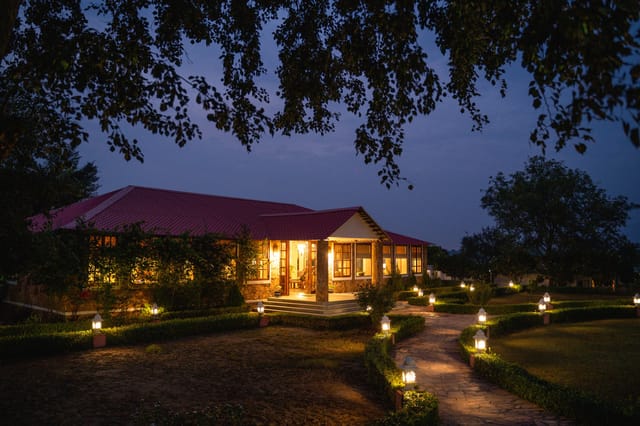
A conservation-minded lodge from Bhopal's Jehan Numa family, in teak country near Satpura Tiger Reserve, the park where safaris go on foot, by canoe and by cycle as much as by jeep. Sleep in cottages set among nallah, forest or hill, or in tents ringed round a perennial waterhole that draws wildlife to the doorstep. The name comes from the reni berry trees here, a favourite of sloth bears.
On Dayapur Island opposite Sundarban National Park, this camp has been running cruise safaris into the mangrove waterways since 2004, you arrive by boat from Gadkhali along the Pitchkhali River. The 21 rooms, each hand-painted by a local artist and kept free of televisions, all have private balconies. Evenings bring a sundowner at the Mangrove bar and, some nights, a Bonobibi Jatra, the local play of the forest goddess.
A ten-tent camp beneath tall arjuna trees and an ancient banyan on a dry riverbed at the edge of Pench, run by the grandson of Project Tiger's first director. Tents roll up their front panels to face the forest; the furniture is reclaimed, from ship-deck timber to writing desks from the Supreme Court of India. The signature is the star bed, a night on a machan in the fields, as village crop-watchers have always slept.
Reni Pani's younger sibling from the Jehan Numa stable, set on a 7.5-acre farmland estate in Dhapadamal village, three kilometres from the gate of Bori Wildlife Sanctuary, an emerging tiger landscape most visitors haven't found yet. Rooms come with private viewing decks over the fields, plus a plunge pool, spa and library. Set menus lean on the village cooking of Madhya Pradesh, sourced from local farmers.
A boutique jungle camp on the periphery of Kanha Tiger Reserve, styled on the Jodhpuri shikar tents of old hunting camps crossed with an African safari camp. Quarters come two ways, tented suites and lakeside cottages, each with a bamboo shower and a verandah deck facing the lake. The lake itself is rain-harvested, and the kitchen draws on the camp's own organic garden, cows, hens and bees.
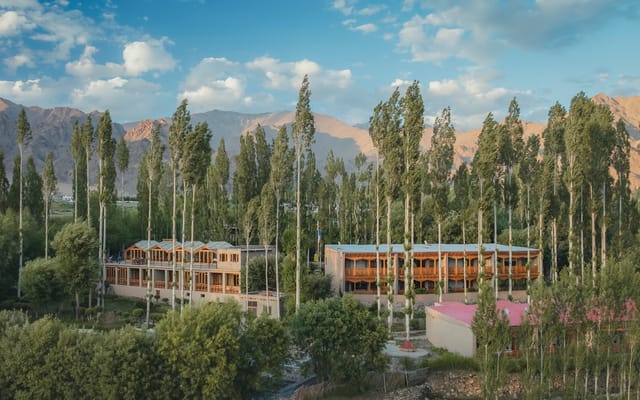
Founded in 1978, a few years after Ladakh first opened to travellers, and now stewarded by Ladakhis, this slow-travel base sits in Ayu village in the Indus Valley, built in traditional stone-and-mud style. Stay in a mud hut, a chalet or the duplex suite. Televisions have been removed from every room; a shared set waits in the Sarai Hall, which tells you what the place is for.
A small lodge at Corbett Tiger Reserve, set between the Himalayan foothills and the Shivaliks: just eighteen independent cottages and lodges in more than fifteen acres of replanted forest. Days run to safari drives, bird walks and morning river walks. Meals are farm-to-table from the retreat's own organic plot, drawing on Kumaoni, Rampur and Raj-era recipes; you can pick the vegetables yourself.
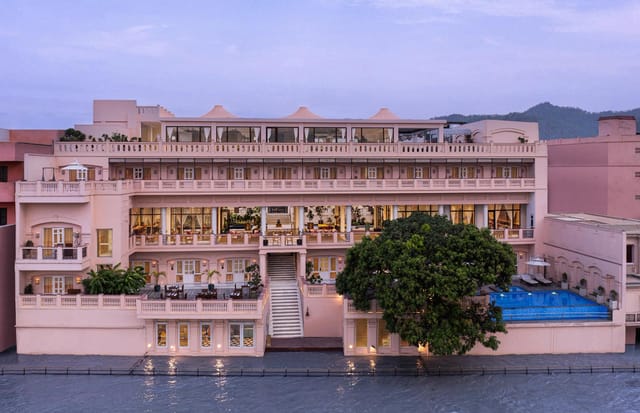
A century-old aristocratic mansion on the Ganges at Haridwar, now a 35-room hotel under IHCL's SeleQtions flag. Rooms face quiet courtyards or the river, and there is a Jiva spa, pool and library inside the old walls. The point of staying, though, is the house's private bathing ghat on the Ganges; the hotel says it is the largest of its kind.
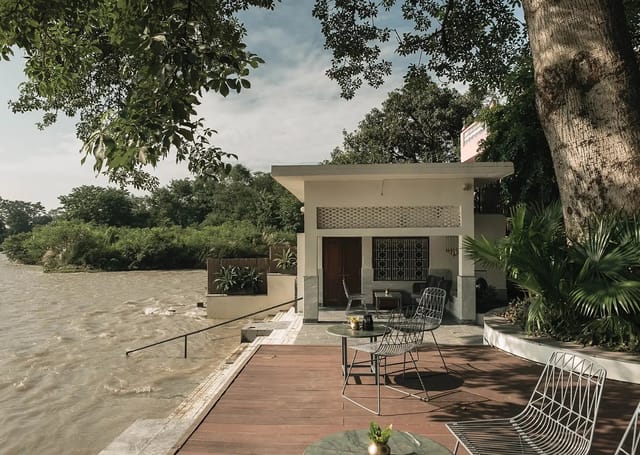
A family home on a calmer bend of the Ganga at Haridwar, restored between 2017 and 2020 with its art deco character intact, and now run as an intimate retreat by Ekat. There are eight rooms, each named for a star of the Sapt Rishi constellation, which on clear nights appears above the terrace. Guided walks open up the old town at a slower pace.
An eco-minded boutique lodge on 6.5 acres at the periphery of Sariska Tiger Reserve, ringed by the Aravalli range. Nineteen simply designed cottages, finished in locally sourced materials, sit in five clusters opening onto lawns; the first-floor Maharani Suite looks out to Thanagazi Fort. Safaris go after Sariska's tigers, and the buffer zone stays open year-round except Wednesdays.
An 80-year-old hunting lodge in the Terai, within the wildlife corridor around Dudhwa: country of grasslands, forest and freshwater ponds that holds tigers, rhinos and sloth bears. Suites and villas, some brick-built, surround an outdoor pool; dinner is at the Jaagir Pavilion, drinks and finger food at the Safari Club. Safaris here are notably uncrowded.
A small lodge in the golden grasslands of Blackbuck National Park, in the Bhal region of Saurashtra. Rough-hewn stone villas, some with plunge or full pools plus one suite, look straight onto the grass, and blackbuck and bluebull can be watched without leaving your room. Guided walks and the Lettuce Eat restaurant fill the hours in one of India's emptier, stranger landscapes.
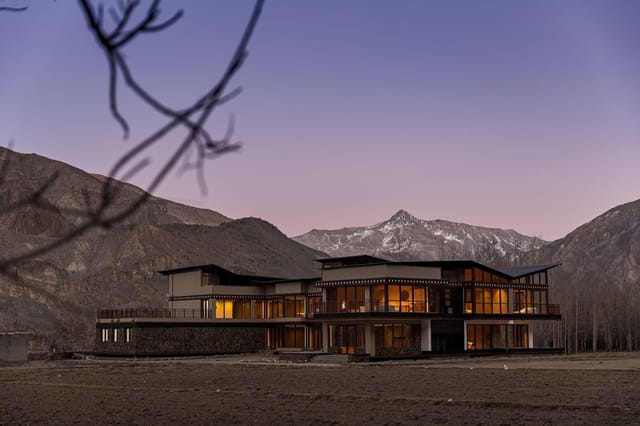
A contemporary hotel on Old Leh Road, built the old Ladakhi way: thick, buttressed walls of compressed earth blocks made on site. Leh's main market is 350 metres away, Leh Palace just over a kilometre. Juniper, the ground-floor restaurant, works Ladakhi and Tibetan flavours through its menus, and the bathroom floors are heated, which, in a Leh winter, is no small thing.
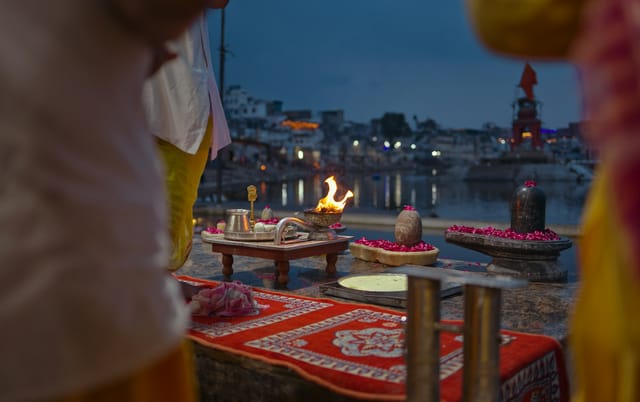
A wellness retreat on the Ganges at Haridwar, its name Sanskrit for solitude, with a private ghat where Ganga aarti is performed. Rooms look over the river; programmes range from general rejuvenation to sleep, gut and chronic-pain work, built on Ayurveda, yoga and meditation. Meals are 'slow cuisine' from seasonal, local ingredients, and Delhi is about three and a half hours by road.
A lodge in a hundred acres of its own forest adjoining Kanha Tiger Reserve, near Kohka village. Accommodation stays intimate: twelve safari cottages with private verandahs, plus two secluded jungle bungalows, the four-room Perch and the two-room Wildernest. The kitchen cooks with organic produce from the lodge's farms, and the on-site Kanha Museum of Life and Art is worth an hour between safaris.
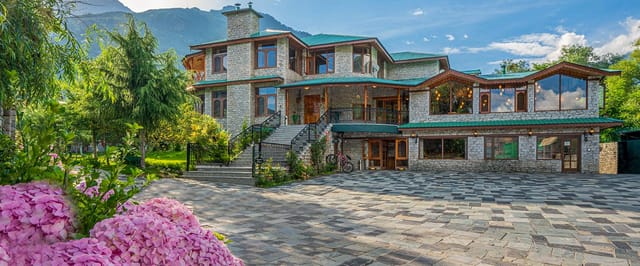
ITC's small-scale Storii brand in Bahang, upper Manali, at 2,000 metres with the Pir Panjal and Dhauladhar ranges around it. Twenty-two rooms and suites share two acres with a mini apple orchard and glacial brooks, which gather into a natural pool. The buildings borrow Himalayan blue pine and local kathkhuni construction, and the whole place is pet-friendly, dogs get a proper welcome.
Darjeeling's Raj-era heritage hotel, spread across houses that include Ada Villa and The Snuggery, the latter looking over Chowrasta. Rooms carry names like Princess of Siam and Begum Aga Khan; dinner is formal, and afternoon tea remains a fixture. A two-roomed bungalow houses the DHR Club, for devotees of the Darjeeling Himalayan Railway.
A 12-room lodge and nine safari tents on the edge of Chitwan National Park, built longhouse-style from local materials in the Tharu tradition. The draw is the resident herd of twelve elephants: you walk the jungle alongside them and their mahouts rather than ride, then watch them cool off in the Narayani river at sundown, drink in hand. Jeep safaris go out in restored open-top Land Rovers.
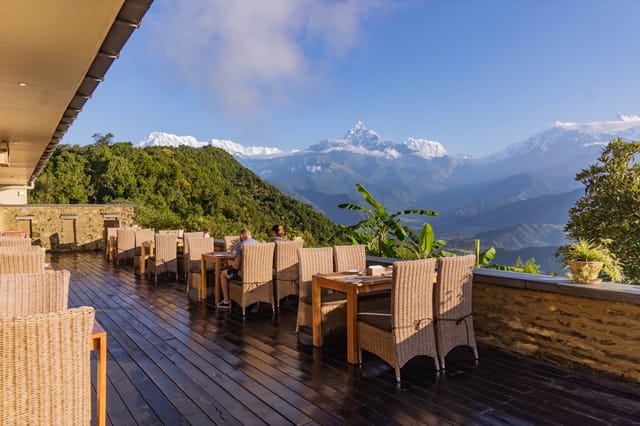
A lodge on Sarangkot hill at 1,600 metres, high above Pokhara, with the Annapurna range in view from every room. Rooms and a pair of suites are done in stone and wood in natural hues, each with a private balcony, which is where the famous Sarangkot sunrise is best taken in, far from the viewpoint scrum.
An eco-certified lodge on the banks of the Rapti at Meghauli, near Chitwan National Park. Its 34 deluxe rooms are thatched huts, most strung along the riverbank, a handful tucked into the jungle, plus one suite, all with private balconies. The lodge runs private safaris into the park, including a dedicated tiger-tracking expedition, and there's a pool for the sticky hours.
A lodge perched high above the Phobjikha valley, looking down on a 17th-century monastery, traditional farmhouses and mountainsides of Himalayan blue pine. Its identical 46-square-metre suites are done farmhouse-style, each with a wood-burning fireplace and a roll-top bath facing the valley. In winter more than 600 black-necked cranes arrive from the Tibetan Plateau to roost on the valley floor, they are said to circle the monastery as they come.
A wellness-inclusive retreat in the Neyphu Valley, a fifteen-minute drive from Paro's airport. Each stay opens with a consultation with a Traditional Bhutanese Medicine doctor, and the rate folds in a daily herbal treatment, yoga, meditation and farm-to-table meals. Rooms face the valley from a private balcony or a garden terrace, and the tea bar stocks twenty herbal blends.
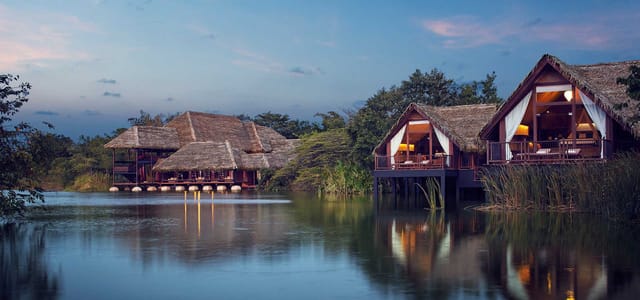
Jetwing's lakeside reserve in Sri Lanka's cultural triangle, its stand-alone dwellings scattered across five habitats of garden, paddy, water and forest, several with private plunge pools. Sigiriya rock fortress is 6.9 km away; closer still is the grey slender loris, a rare nocturnal primate that lives on the reserve and is sought out on night walks with a resident naturalist.
Thanjavur was the Chola capital, and Svatma is its most considered address: 34 rooms arranged like a large family home, with verandas, lounges and quiet corners given over to the arts. Aaharam, the all-vegetarian restaurant, serves Tamil cuisine as plated mini meals from a display kitchen beside the pool, and alongside the spa there is a sound spa.
Kahani hides in twenty acres of hillside garden directly behind the sandy bay of Paradise Beach, on the Gokarna peninsula. There are just eight rooms and suites, all looking out at the Arabian Sea, with coastal cooking and plenty to do on and off the estate. The gardens are full of butterflies.
Villas, cottages and tents of timber and thatch, built from indigenous materials in the greenery behind Radhanagar Beach on Havelock Island. Barefoot was the first sustainably designed and operated resort in the Andamans, and it keeps faith with the setting: diving, kayaking and nature trails by day, then dinner at The Swimming Elephant, a thatched restaurant named after Rajan, the last swimming elephant.
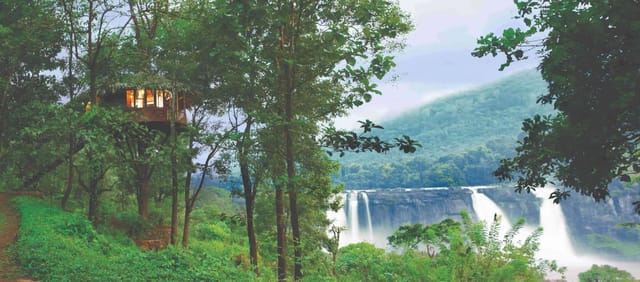
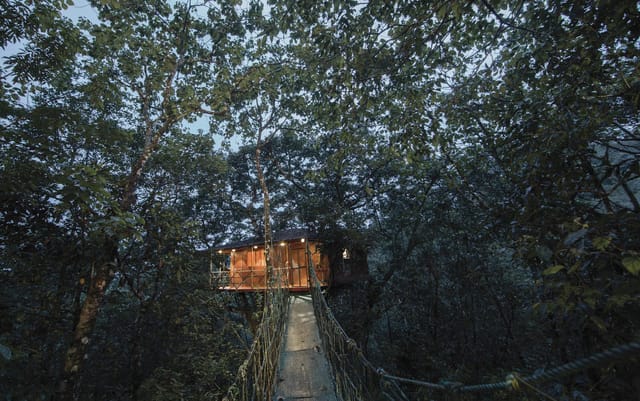
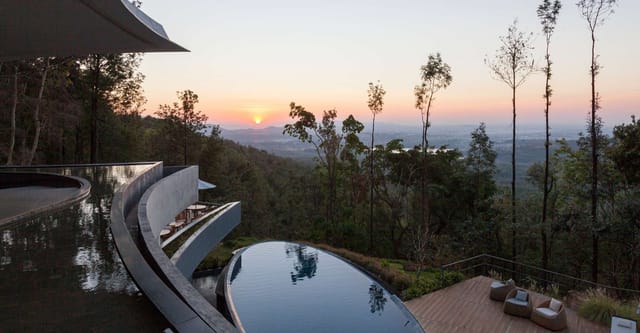
A ten-room retreat on seven acres of rainforest in the Sholayar forest, its balconies looking straight onto the Athirappilly falls. A lone treehouse sits up in the canopy, waterfall beyond the treetops. There is an infinity pool and Ayurveda, and the quieter diversions are the good ones: tribal bamboo cooking, firefly watching after dark.
Niraamaya's wellness retreat sits on a cliff above the Athirappilly falls, along the banks of the Chalakudy River. Rooms, cottages and private-pool villas, many facing the water, with the group's Ayurveda-led spa at the centre of things. Café Samsara handles the all-day dining; the Essence lounge bar keeps the waterfall view. Unusually for a retreat of this sort, it takes pets.
A small boutique resort between the Kannan Devan and Bison Valley hills, in Munnar's high ranges, with fourteen suites and two pool villas spread across the Muttukadu and Kumbappara hills. Every suite looks over the valley; some add Victorian jacuzzis, plunge pools or copper tubs. The outdoor pool is solar-heated mountain spring water, and the tea lounge is called 300 BC.
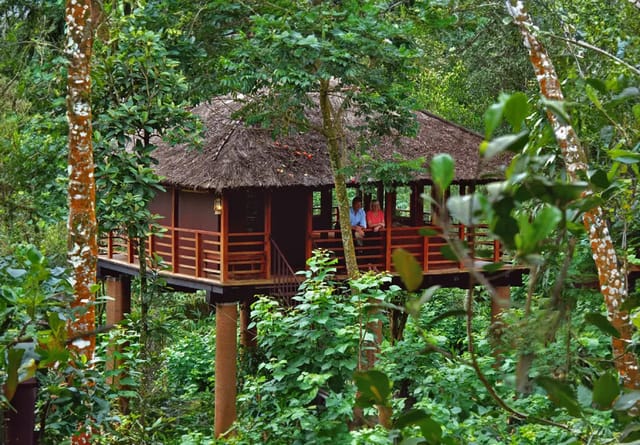
A 150-acre stretch of Wayanad rainforest the founders came across in 1993, six coffee-workers' row houses standing on it; today there are 36 villas and cottages, plus tree houses up in the canopy, beside a forest stream crossed by a swaying rope bridge. No TVs, no air-conditioning, patchy signal, quite deliberately. Kerala Ayurveda at the spa; the Malabar whistling thrush does the wake-up call.
A resort set within a working tea and cardamom plantation at Vandanmedu, in the hills near Thekkady. The stays are the draw: wooden tree houses on stilts with wrap-around balconies over the plantation, plunge-pool villas, planters' villas, even a cave room. Kolumban, the restaurant, cooks old Kerala recipes alongside the multi-cuisine spread, and days go on plantation walks, jeep safaris and a look around the cardamom factory.
A villa resort in the foothills of Mullayanagiri, Karnataka's highest peak, amid the estates that earned Chikmagalur the name of India's coffee country. Villas run from snug hideaways to a three-bedroom pool villa; there is an infinity pool aimed at the hills, and Crimson Peak, a bar perched fifty feet up in the treetops, which the resort calls the highest in Karnataka.
A resort in a coconut grove in the open countryside outside Pollachi, on the rural fringe of Coimbatore district. Rooms climb from compact executive rooms to pond-view suites and villas with plunge or private pools, with an infinity pool and The Palm restaurant at the centre. The excursions stay local, and are better for it: bullock-cart rides, handloom village visits, palm-jaggery tours.
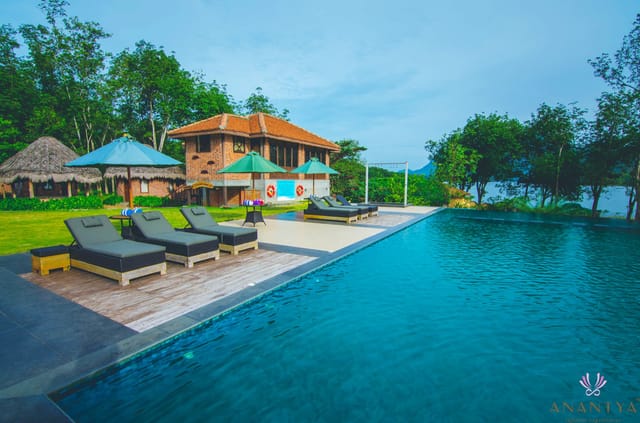
Anantya sits on the banks of Chittar Lake inside the Vaikundam Estate, a working rubber plantation in Kanyakumari district run by one family since 1957. Villas and cottages face the lake, some with private pools or outdoor jacuzzis; days go on plantation tours, fishing from the banks, and drives to watch the sun set at the tip of India.
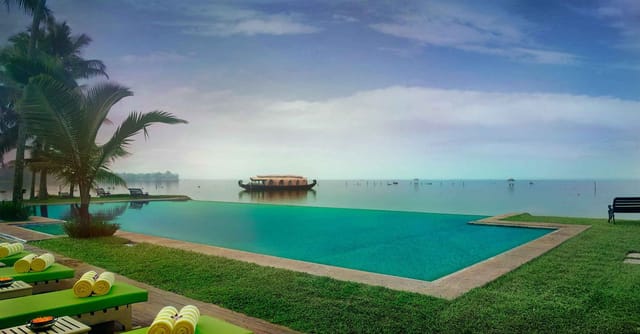
The grand old name of the Kumarakom backwaters: a 25-acre heritage resort on the banks of Vembanad Lake, four times named India's Leading Resort at the World Travel Awards. Stays run from heritage villas with private pools to meandering-pool villas and the resort's own houseboats. Ayurmana, the Ayurveda spa, is taken seriously here; the traditional Kerala teashop is a nice touch among the restaurants.
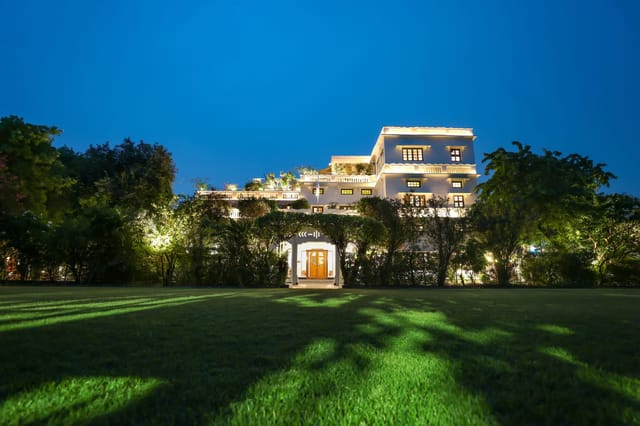
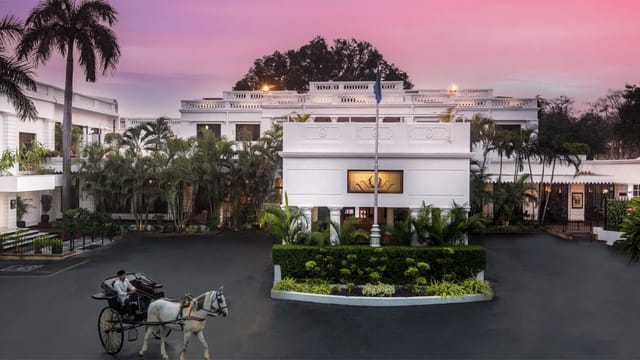
A white Art Deco house from 1936 on Lucknow's Mall Avenue, refurbished in 2016 and set in its own lawns. There are 41 rooms and suites, from the compact Awadh Room to the four-poster Heritage and Imperial Suites, most of which open onto the central courtyard the hotel calls the Sehen. Downstairs, Azrak cooks Awadhi food; there is also a pool, a spa and a rooftop lounge.
A four-room bed and breakfast in a house in Safdarjung Enclave, styled, its owner Caroline says, on her grandmother's Anglo-Indian home in Calcutta. The rooms, Iris, Rose, Jasmine and Lily, take their names from the flower-named daughters and aunts of Anglo-Indian families; each is different, with its own bathroom and a balcony or terrace. The kitchen cooks home-style Anglo-Indian, Bengali and Delhi dishes, and the house is fully staffed through the day.
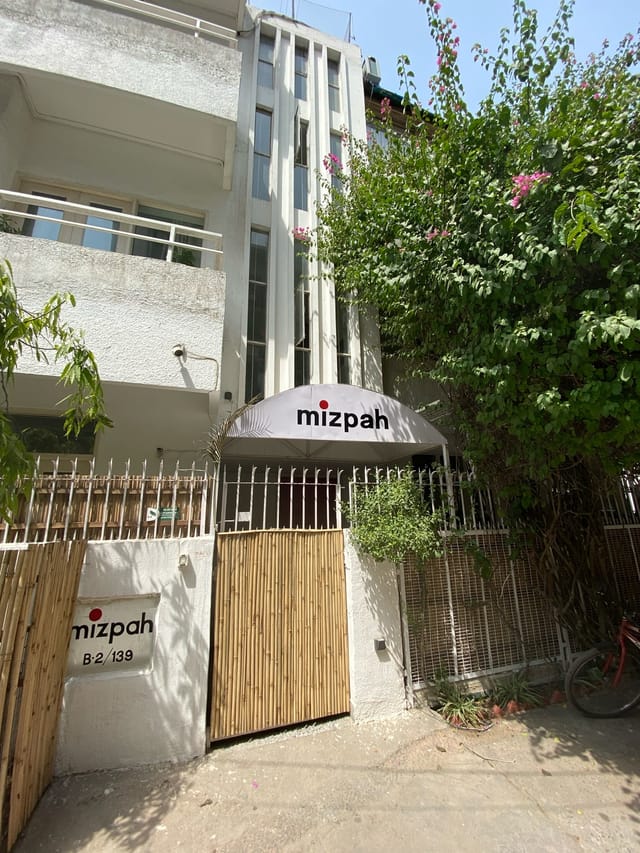
Two bed-and-breakfast houses in Defence Colony, an upmarket, tree-lined corner of South Delhi; the doors first opened in 2008. Rooms are Standard Rooms, each with an air purifier, opening onto shared lounges hung with original art. The kitchen makes its own jams, marmalade and multigrain bread, the banana bread is the house speciality guests ask for most, and in good weather breakfast and dinner move up to the rooftop.
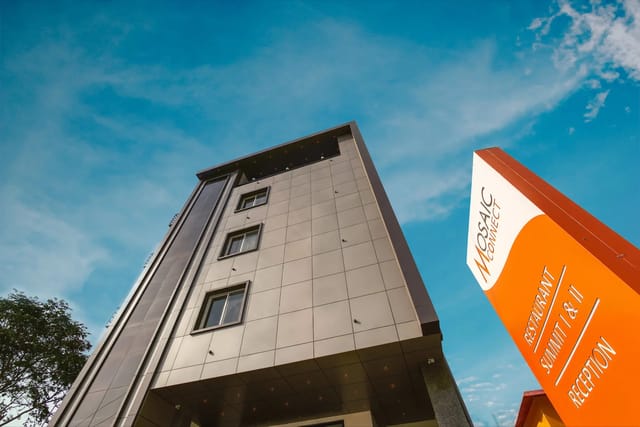
A contemporary hotel in Ayodhya's Civil Lines, about a kilometre from Ayodhya Cantt railway station and five from the new Maharishi Valmiki International Airport. Rooms come in three categories, Premium, Family and Deluxe Twin, above a pure-vegetarian skyline restaurant, Atithi Mangalam, open 7am to 10.30pm, and a 2,000 sq ft banquet space the hotel calls Summit.
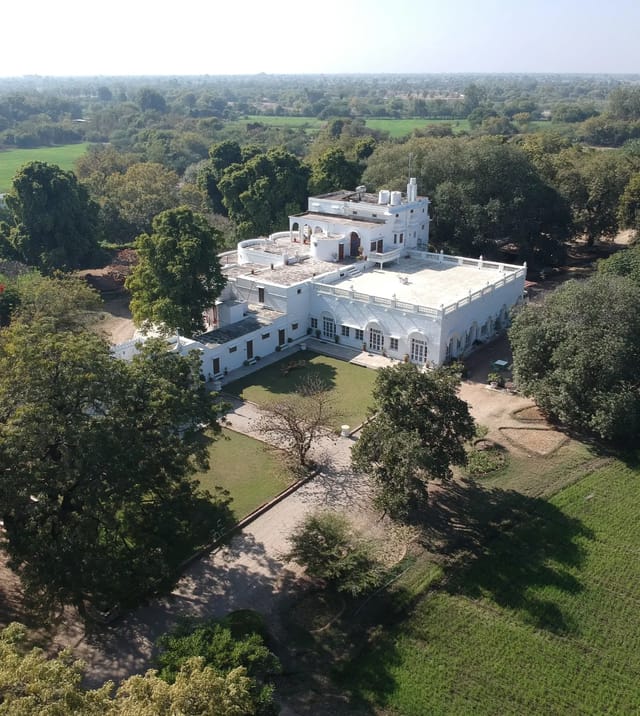
Castle Bijaipur was built in the early 16th century by Rao Vijay Singh, a descendant of Shakti Singh, younger brother of Maharana Pratap, and was converted into a hotel in 1991 by the ruling family, who still live in it. It sits at 600 metres in the Vindhyanchal Hills near Chittorgarh, surrounded by forests of Flame of the Forest and Jacaranda.
Dera Rawatsar is a family-run boutique hotel in Jaipur's Bani Park, built in 1950 and run by the House of Rawatsar, who trace their ancestry to the Kandhlot Rathore clan of Rajputs. It has 16 rooms across three categories, a garden, an outdoor pool and an in-house restaurant serving home-style Indian food.
Dhora Desert Resort & Spa is a 45-acre tented camp at Gogadevgarh, Village Shekhala in Jodhpur district, about 100 km from Jodhpur. Its 15 luxury tented suites face a pond framed by sand dunes, and the resort is owned and run by a young couple who live on site, opening each year from October to March.
A hand-built, artisan-decorated homestay in Tajganj, about 500 metres from the Taj Mahal near the East Gate Shilpgram parking. The multilingual hosts, fluent in French, German, English and Hindi, draw on over 30 years as professional tourist escorts.
Dhariyawad was founded in the middle of the 16th century by Prince Sahasmal, second son of Maharana Pratap of Mewar, and the family fort has been converted into a heritage hotel. It sits at the confluence of the Jakham and Karmoi rivers in southern Rajasthan, ringed by the subtropical forests of the Aravalli Hills.
Haveli Hauz Khas is a five-room bed and breakfast in a heritage mansion in Hauz Khas Enclave, South Delhi, run by hosts Neelu and Teji, heritage enthusiasts who have written books on Indian history, architecture and travel. Each air-conditioned room follows an Indian heritage theme, Ajanta, Banni, Hampi, Kama and Neem, and breakfast is fresh and home-cooked.
Jas Vilas is a 14-room hotel in Jaipur's Bani Park, developed by Mahendra and Rajyashree Singh from their ancestral family home. Fresh Indian meals are cooked to order and taken in the dining room or by the mural-walled swimming pool.
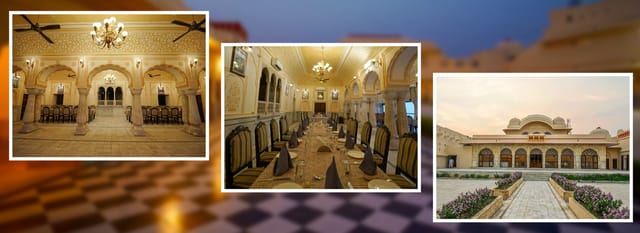
Kesar Bagh Palace is a palace-style resort at Village Barada on the edge of Chittorgarh, close to the Udaipur-Bhilwara highway, and the hotel says it is the only five-star property in town. Five room categories, the Kesari multi-cuisine restaurant, an outdoor pool and the Urban Nirvana Spa sit within grounds built in the Rajput manner.
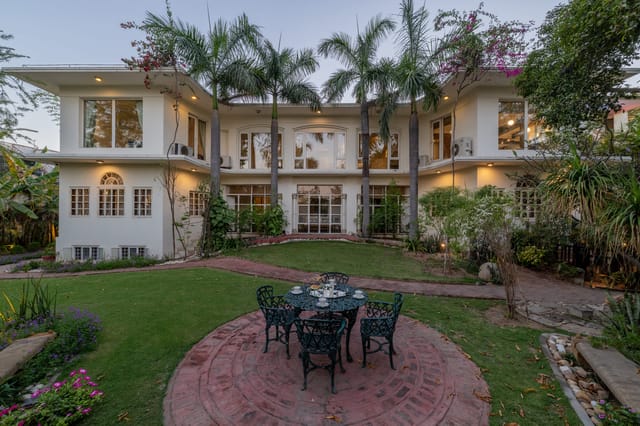
Niravi is a leafy boutique hotel in the historic Peelwa Gardens off Moti Doongri Road, redesigned by three Jaipur sisters who grew up in the original bungalow. Two wings, the restored Bungalow and a contemporary Estate with Tangier-inflected arches, share tropical gardens, a pool courtyard, a smaller gazebo lounge pool and an intimate spa.
Padmaa is a restored 18th-century haveli in the heart of Jaipur's walled city, run by the family that has held it for seven generations and named after their grandmother, Shrimati Padmaa Devi Shah. It is an all-suite boutique hotel with 15 uniquely styled suites, a courtyard restaurant, two bars, and a rooftop pool and spa overlooking the Pink City.
Part of the palace Sir Ajit Singh Ji of Jodhpur commissioned as his residence, begun in 1927 under British architect Sir Henry Lanchester and now run as a heritage hotel by his descendants. 'Ranbanka', master of battles, was the battle-honour of Jodhpur's Rathore clan.
A restored 17th-century royal retreat at the foot of Elephant Hill, sitting roughly halfway between Jodhpur and Udaipur. Opened as a boutique hotel in 1996 by Rani Usha Devi and the late Maharaj Swaroop Singh, it has 32 rooms set around courtyards bright with flowers.
Soulacia is a luxury eco-resort at Village Khatia beside Kanha National Park, founded in 2009 on a barren plot that held just four solitary trees and since grown into its own small ecosystem. It sits a two-minute drive from the Khatia entry gate on the Kisli side of the park, with in-house naturalists, solar power and a farm-to-table kitchen.
Surya Haveli is a six-room boutique haveli on the main square of Amer, the old Rajput capital just outside Jaipur, directly below the walls of 16th-century Amber Fort. The family dates the building to some 300 years ago; after a three-year restoration it opened in February 2021, with interiors by designer Adil Ahmad and three dining venues including a rooftop restaurant facing the fort.
Talabgaon Castle is a restored Rajput fort in Dausa district, still owned by the Kupawat Rathore family who have held the estate for over 200 years. It offers 52 rooms and suites, its own organic farms feeding a farm-to-table kitchen, and sits roughly midway between Jaipur and the Ranthambore tiger reserve.
Built in the 18th century as a royal hunting lodge and owned by Maharaj Jai Singh of Jaipur, this small haveli on Queen’s Road has been restored into a boutique hotel of four suites, overseen personally by Angelique and Pradip Singh. Hand-painted frescoes, a temperature-controlled marble and sandstone pool, the Frangipani Spa with lapis lazuli inlays, and a kitchen that cooks from the family’s own recipes and vegetable garden.
Established in 1993 by the erstwhile royal family from Borunda, Umaid Bhawan is the flagship of Jaipur's Umaid hotel group, a heritage-style boutique hotel of 41 rooms and suites in residential Bani Park. Ornate frescoes, carved balconies, courtyards and lawns carry the handcrafted work of local artisans, while evenings bring folk dance and puppet shows, in-house Rajasthani dining and a pool to cool off in. The city's sights sit within a few kilometres.
Umaid Mahal is a family-run, heritage-style boutique hotel in Jaipur's Bani Park, a kilometre from the railway station and within easy reach of the walled city. Built out in traditional Rajasthani style, frescos, jharokas and intricate carvings, it belongs to the Rathore family of the royal house of Borunda. Rooms run from Standard to Suites, there's a swimming pool, and the Taikhana restaurant and its gold-decked lounge bar handle the evenings; buffet breakfast and station pick-up come free.
Twenty minutes before Jaipur proper, Umaid Haveli sits in the green-patched Aravalli hills at Kukas, close enough that Amber Fort is a ten-minute hop, far enough that the city's noise never reaches you. The whole building was handcrafted and painted by Rajasthan's expert artisans, so the heritage here is in the walls, not just the branding. A rooftop pool and hill-view restaurant on the tenth floor make the most of the 360-degree views.
On the Delhi–Jaipur highway at Kukas, a short run from Amber Fort, Umaid Residency styles itself 'A Regal Heritage Home', Rajasthani decor, antique-styled furniture and 18th-century portraits in the restaurant, at deliberately affordable rates. Rooms come with VRV air-conditioning (heated in winter), electric kettles and safes; the draw is the rooftop swimming pool with Aravalli hill views, pitched for morning swims and sunset lounging. Amber, Jaigarh and Nahargarh forts all sit within easy reach.
Umaid Farm Resort is the farm-stay arm of Jaipur's family-run Umaid Hotels, set across five acres of green landscape at Geetanjali Farm on Sikar Road, near Rajawas. Just ten suites, all with private balconies, sit around a 60-by-60-foot pool, a two-acre garden and a rooftop with pool table and table tennis. Solar power, rainwater harvesting and composting make it, by the property's own account, carbon neutral, and dogs are welcomed 'like family'.
Built in 1928 by General Amar Singh, Thakur of Kanota and Commander of the Jaipur State Forces, Narain Niwas began as a peaceful family getaway and opened to travellers in 1978 with just four rooms. Today the third generation of the Kanota family runs 52 rooms and suites across 10 acres of gardens, three kilometres from Jaipur's walled city, antique furniture, hand-painted walls, an outdoor pool, a spa, a museum and four distinct dining venues included.
Gaj Kesri sits just outside Bikaner proper, a 45-room resort the operator bills as a timeless retreat blending majestic architecture with the vast beauty of the Thar. It pitches itself at travellers chasing the soul of Rajasthan beyond the famous forts, though Junagarh Fort and the Rampuria havelis are barely three kilometres away. Days fill easily: an outdoor pool, camel rides, jeep safaris, cricket and kite flying, then pure-vegetarian Rajasthani thali-style feasting at Polki.
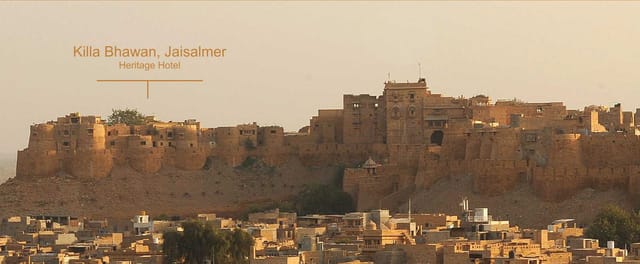
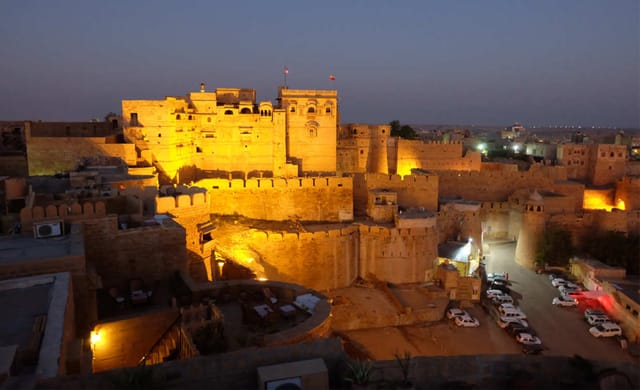
Killa Bhawan sits inside Jaisalmer's living fort, discreetly nested in three bastions of the ramparts at Kotri Para. It is a small heritage hotel, eight rooms across Deluxe Heritage, Heritage and a private family wing, dressed with antiques, marble flooring and refined old furniture, with terraces for sunset drinks over the golden city and desert. Breakfast, mineral water and all-day tea and coffee are included, and the same family runs a lodge and rooftop café by Patwa Haveli below.
Piplia Haveli, an 18th-century mansion of the nobles of Thikana Piplia, was restored by scion Thakur Chandra Bhanu Singh and opened as Lake Pichola Hotel in 1985. It sits on the quiet island of Brahmapuri on the lake's western bank, its arches and balconies looking straight across the water to the City Palace, Jag Mandir and the bathing ghats. Expect Rajputana-style rooms, Thikri mirror work, a rooftop pool and four lakefront restaurants and bars.
A restored heritage bungalow on Maqbara Road, in a quiet, leafy pocket at the heart of Lucknow, overlooking the Sibtainabad Imambara. Two bedrooms only, Parikhana, all Awadhi motifs and handcrafted woodwork, and Firangi Mahal, colonial in mood with vintage European furniture, alongside a living room lined with books on Lucknow, a dining room under vaulted arches, and a thriving garden. The house is taken whole, sleeps four, and comes with breakfast and a house manager on site.
The Jaipur mansion of the Thakurs of Alsisar, converted to a heritage hotel in 1994 and still owned by the family, a branch of the Kachawa Rajputs descended from Maharao Shekhaji. Forty-five rooms of antique furniture and carved poster beds sit around rambling courtyards, with a swimming pool ringed by gazebos and cenotaphs, a mirrored Sheesh Mahal, and a rooftop that looks across to Nahargarh Fort.
A two-storeyed house in Civil Lines with five rooms, each named after a gemstone, conceived by the late Jaipur jeweller Munnu Kasliwal and now run by his son Siddharth with hotelier Abhishek Honawar. Built by the French architect Georges Floret, with interiors by the Lebanese designer Nur Kaoukji: hand-painted murals, custom furniture from local artisans, latticed windows, a courtyard, a library and a vegetarian farm-to-table cafe.
Haveli Patnawala has been the family’s home since 1921, when two brothers who became the most prominent diamond traders in northern India bought a house already 170 years old and spent a year restoring it. Eight air-conditioned rooms, no two alike, run off courtyards and rooftops covered in old and new fresco work, one alley from Johari Bazar and a 400-metre walk from Hawa Mahal and the City Palace.
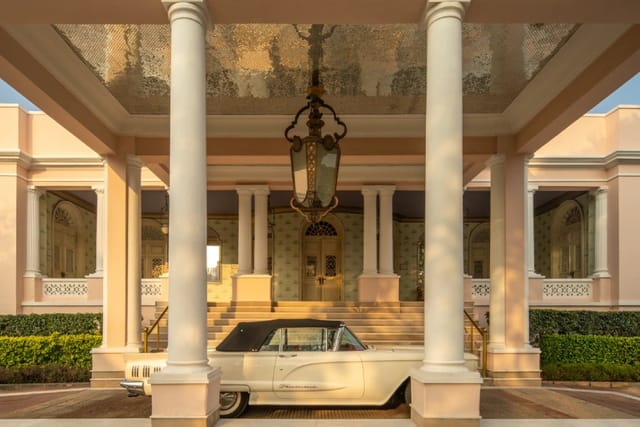
Built in 1729 and for many years the home of Maharaja Sawai Man 'Jai' Singh and Maharani Gayatri Devi, who wrote in her memoir of its ‘charm and character’. It is still the Royal Family's primary residence, and their photographs, polo trophies, heirlooms and a 1950s Ford Thunderbird are on show through the house. Thirteen rooms and suites including two Royal Apartments, furnished in heirlooms and modern pieces the family call a perfect example of Indian Art Deco, with gardens, a pool ringed by fountains, a spa, two restaurants and a polo bar.
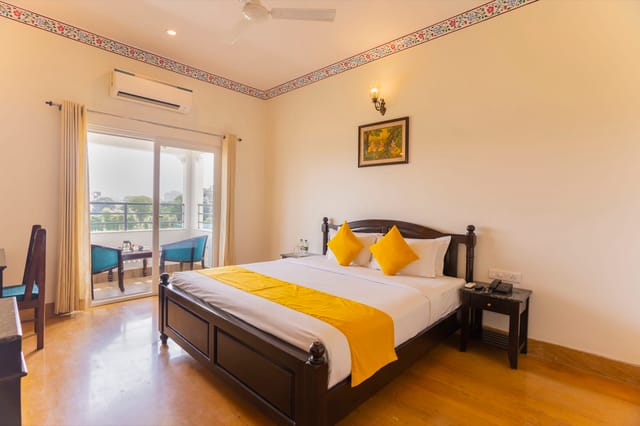
Three kinds of room: a superior deluxe with a jarokha window over the city, a king room with a balcony over the garden, and a junior suite with its own terrace and a view across Udaipur. All air-conditioned, with a fan, an electric kettle, a flat-screen television, a wardrobe and a mini bar. There is a multi-cuisine restaurant downstairs. The City Palace, Jagdish Temple and Lake Pichola are all close by.
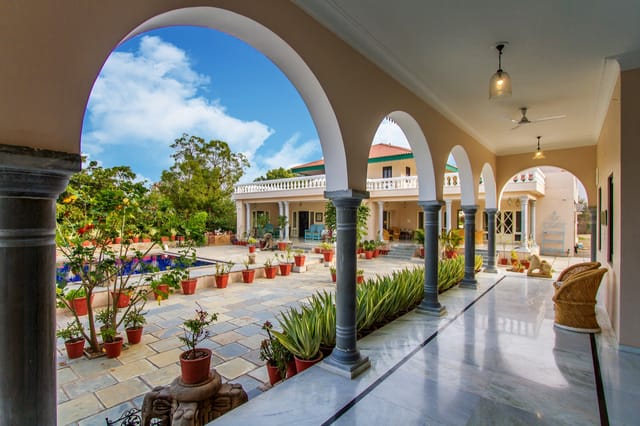
Arches, laterite and sunlit courtyards a short way back from Calangute beach, with the markets and cafes of North Goa around it. Rooms run from deluxe doubles through suites and family suites to villas, and there is a spa and a restaurant on site.
Built on Jaisalmer's own haveli architecture: two open courtyards, intricate jali screens, Mughal pillars and jharokhas in the Paliwal style. A traditional haveli to sleep in, with the comforts of a modern hotel, in the middle of the Thar.
A low-slung resort on the edge of Jodhpur: rooms and suites, a spa, a restaurant and a bar, and gardens to sit out in between the fort and the drive on to the next place.
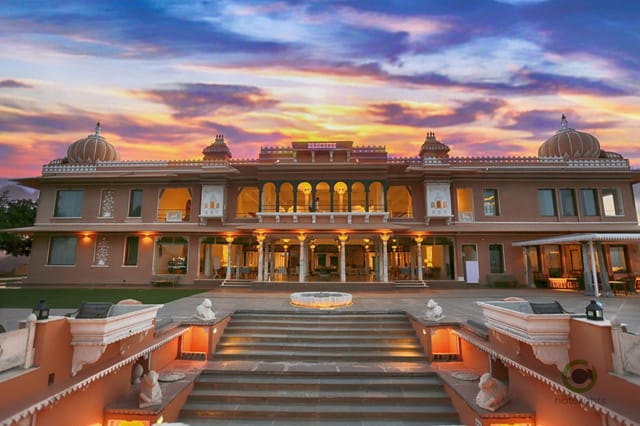
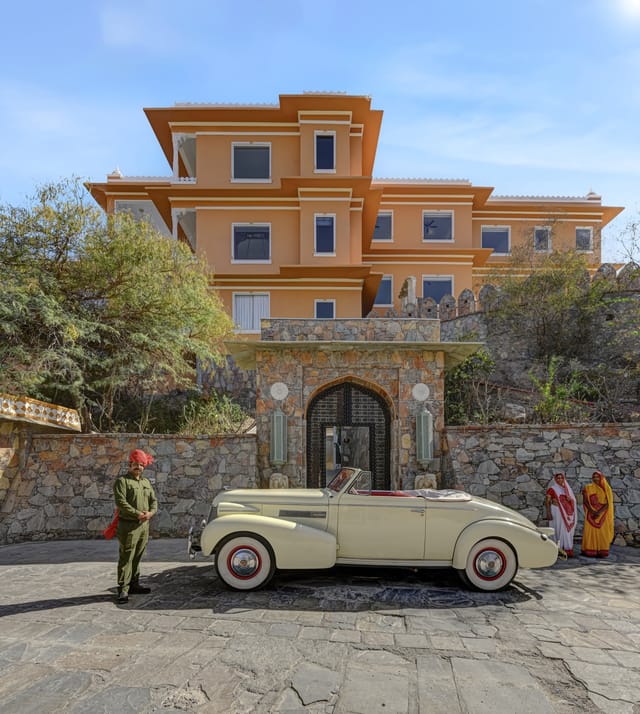
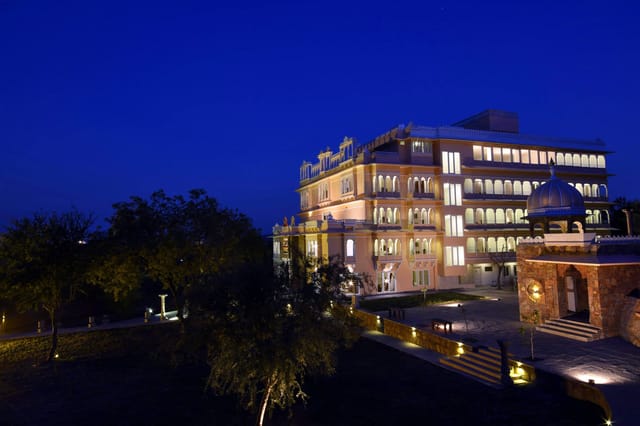
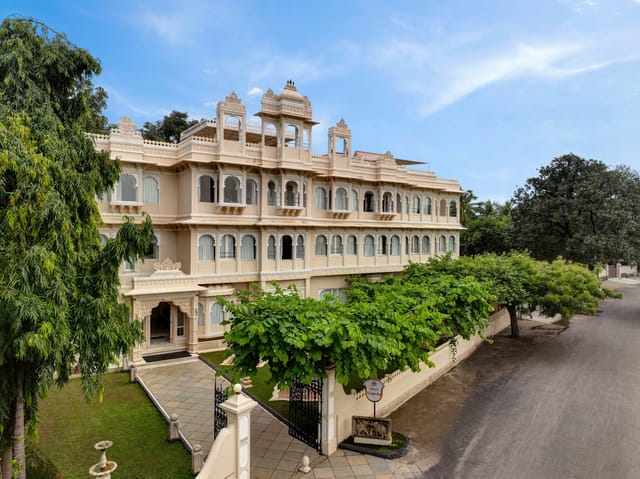
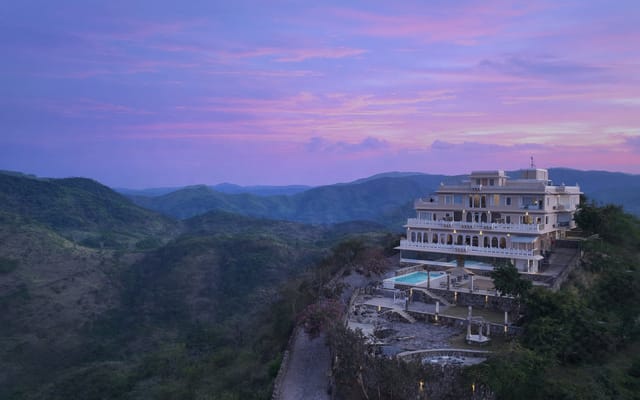
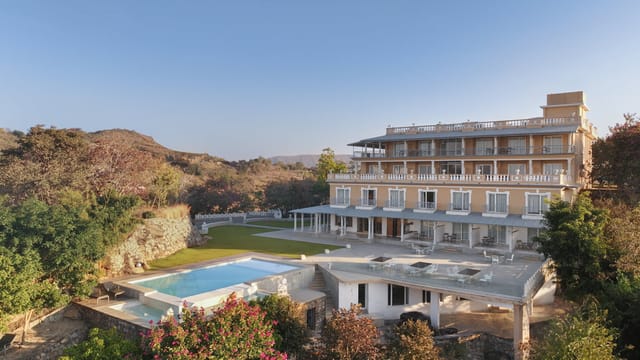
Fateh Vilas is the newest of the Fateh Collection's Udaipur properties, a palace-style heritage resort beside Fateh Garh on Sisarma Road, about 5 km from the city centre. Its 76 rooms and suites come in five categories, from 390 sq ft Renaissance Rooms with sit-outs to 700 sq ft suites, many with private plunge pools facing the Aravalli hills. There is a multi-cuisine restaurant, spa, pool and a vintage car museum on site.
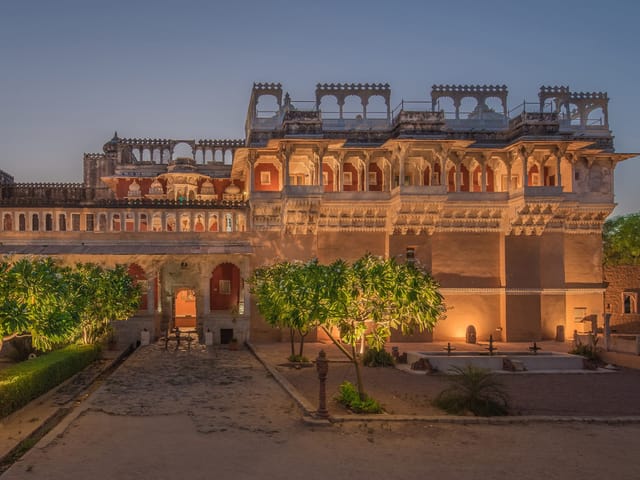
Fateh Garh is the Fateh Collection's flagship: a heritage palace transplanted stone by stone to a hilltop on Udaipur's edge and rebuilt largely by hand from recycled stone and wood. Its 56 rooms span five categories, from 300 sq ft Renaissance Rooms to plunge-pool suites with butler service. Two restaurants, three private dining decks, two pools, a spa and vintage cars share the ridge, 5 km from the centre.
Khas Mahal Suites is the Fateh Collection's small all-suite hideaway on a quiet hill along Sisarma Road, about 5 km from Udaipur's centre. Every suite runs 600 to 650 sq ft with a king bed: Heritage Chamber Suites add a private balcony, and the two plunge-pool categories a private pool, one of them heated. Personal butler service, an indoor restaurant and a lantern-lit rooftop with Aravalli views complete it.
Fateh Niwas is the Fateh Collection's heritage haveli-style hotel at Rampura Circle on Sisarma Road, Udaipur. Its three room categories all run 400 to 430 sq ft, each with a balcony or private sit-out looking over the city. Two multi-cuisine restaurants, a rooftop and a lobby room, sit alongside a swimming pool, spa, bar and a 1,200 sq ft conference hall, with open-air spaces used for weddings.
Ram Pratap Palace is a 24-room heritage hotel beside Fateh Sagar Lake in Udaipur's Alkapuri district, part of the Fateh Collection. Restored Rajput architecture, marble-lined bathrooms and lake views from most rooms sit alongside Raaj Bagh, its al fresco garden restaurant across the street. City Palace and Jagdish Temple are a short drive away.
Fateh Safari Suites is a suite-only boutique property in the Aravalli Hills near Qila Kumbhalgarh, perched 1,100 m above sea level with views of Kumbhalgarh Fort and the Marwar plains. Four suite categories, several with jacuzzis or plunge-pool access, use locally quarried stone and hand-blocked textiles. A lobby-level restaurant offers indoor and outdoor seating facing the fort.
Fateh Safari Resort is a hilltop heritage property in the Aravalli Hills at 1,100 m, overlooking Kumbhalgarh Fort. Every room, Deluxe or Superior, comes with a private balcony and valley views. There is a swimming pool, spa and a 37-seat ground-floor restaurant serving Rajasthani and international dishes, while dawn jeep safaris head into Kumbhalgarh Wildlife Sanctuary.
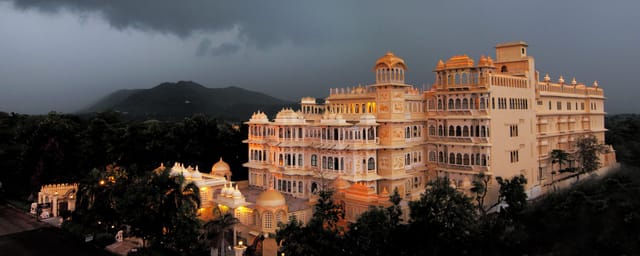
Chunda Palace is a purpose-built palace hotel in Udaipur, constructed over sixteen years with hand-painted walls, natural-pigment murals and bone-inlay work. It sits 270 m from Lake Pichola, with indoor and outdoor pools, four dining venues including the rooftop Square Terrace, and five room categories from Palace Rooms to Grand Historical Suites. Guests can ride, shoot and learn polo at the family's Chunda Polo Club.
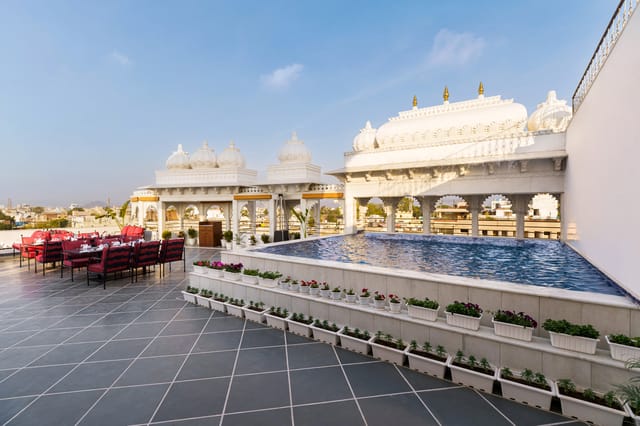
Chunda Haveli is the Chunda group's in-town hotel on Lake Palace Road, Udaipur, six minutes from Lake Pichola and eight from the railway station. Built in a blend of Rajput and Mewar styles, it has a rooftop swimming pool, a rooftop restaurant serving Rajasthani and multi-cuisine dishes with views of the City Palace and Gulab Bagh, 24-hour room service, and three room categories from 200 sq ft Studios to 385 sq ft Haveli Suites.
Chunda Shikar Oudi is the Chunda family's countryside retreat at Kheroda near Udaipur, a former noble hunting ground restored as a 150-hectare private reserve around its own lake. There are eight 900 sq ft lake-view suites and one 5,000 sq ft villa with private pool. All meals are included, along with a daily boat ride, jungle safari, fishing session, guided walk and evening stargazing led by an in-house naturalist.
Brij Castle is a 20-room hotel on Amer Road in Jaipur, 1.5 km from Jal Mahal on the way to Amer Fort. Corridors carry miniature-style paintings and an atrium rises four levels above the lobby. Kesar Restaurant serves a Rajasthani and global buffet, Flame & Fork grills skewers live, and a rooftop restaurant and bar looks over the hills. Heritage Rooms take king beds; three Historic Rooms face Nahargarh Fort at sunset.
Rawla Jojawar is the small fort of Jojawar town in Pali district, home to the same family since 1780 and opened by them as a hotel in 2001. Its 35 rooms, no two alike, were carved from the original buildings; a pool sits beside the old Zanana Mahal. Days go to jeep safaris in vintage vehicles among Rabari camel herders, a train ride up the Kambli Ghat pass, and horse rides from the fort's own stables into the Aravallis.
The Jaisalmer Resort sits in a quiet hotel precinct of the Golden City, a short walk from Jaisalmer Fort and the marketplace. Rooms come in three sizes from 25 to 30 sq m with city or resort views; there is a swimming pool with lifeguard cover, a restaurant serving breakfast through dinner, and lawns used for weddings and events. Desert camping in the Thar is arranged through its sister Sia Resort & Camp.
Hotel Boheda Palace is a heritage-style haveli at 9 Lake Palace Road, Udaipur, near the Gulab Bagh gardens and a walk from the Old City's sights. Rooms are done in traditional haveli style, the premium categories keeping a gokhara, the carved alcove seat of Rajasthani houses. A multi-cuisine rooftop restaurant looks over the city's skyline, and the desk arranges horse safaris, cooking classes, guides and ticketing.
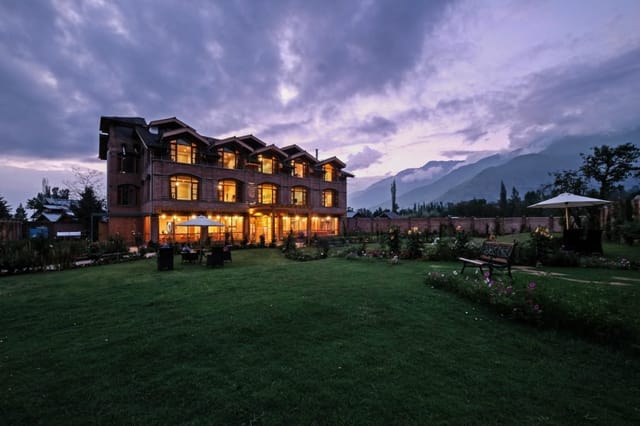
Nadis calls itself a modern Kashmir house rather than a hotel: 18 large, sunlit rooms with cedar floors, carved ceilings and locally made furnishings, set in a big garden at Harwan village, opposite the public garden and a few kilometres from the Mughal gardens. There is a dining room, not a restaurant, serving Kashmiri home food with vegetables from their own plot, kahwa poured all day, and the hotel’s own team leads treks into the hills behind, where Dachigam sanctuary and the Mahadev trail begin.
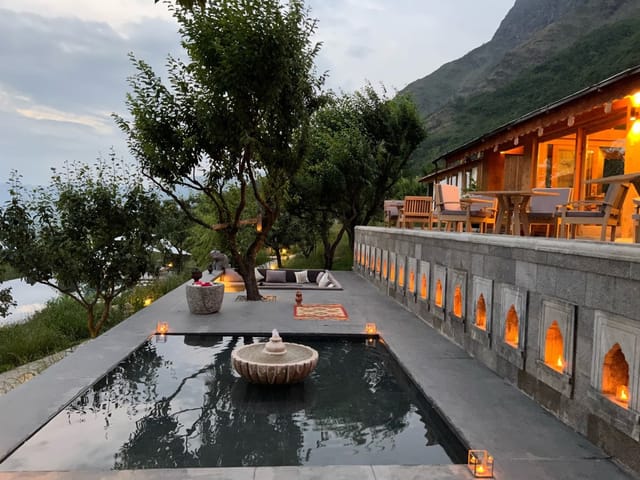
Qayaam Gah is ABChapri Retreats’ Kashmir property: four free-standing villas and three suites on a secluded ridge high above Dal Lake, backed by the Zabarwan hills, reached by a country road through forest and village and a final short walk or jeep ride. Cedar, glass and stone buildings with Kashmiri carving and Bukhari wood stoves; Ruh, a restaurant and library with 360-degree views; a heated infinity pool fed by mountain spring water; organic gardens; and a name taken from the highest state in Sufi thought. Listed in the Condé Nast Traveller Black Book.
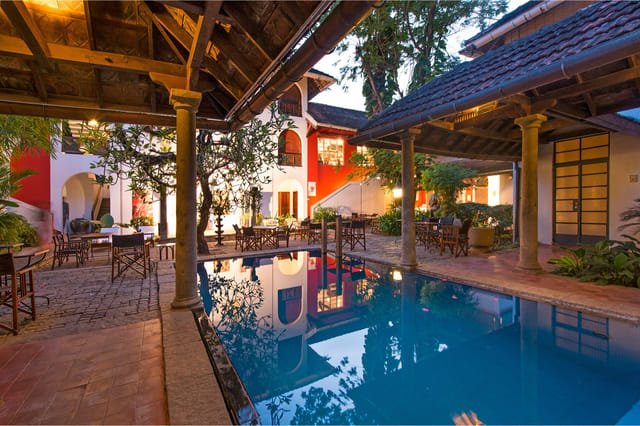
The Malabar House stands on Parade Road in the heart of Fort Cochin, opposite St Francis Church and a three-minute walk from the Chinese fishing nets. The building's record goes back to 1755, when a Dutchman named Jan Herman Clausing bought it; spice traders, tea traders and bankers followed, and in 1997 it opened as Fort Cochin's first boutique heritage hotel. There are 17 rooms and suites around a courtyard with a 4m by 8m pool, the Malabar Junction restaurant, Divine wine lounge, a Purespa Ayurveda room and nightly Carnatic music on the patio stage. The hotel is a member of Relais & Chateaux.
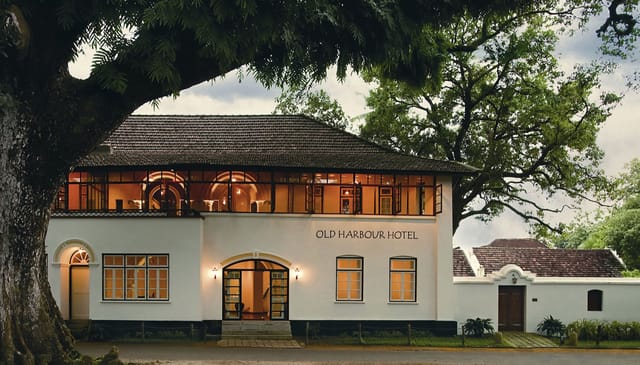
Old Harbour Hotel is a 300-year-old building in the middle of Fort Cochin, built in the Dutch style with Portuguese touches. It was the first hotel of old Cochin, later housed employees of English tea-broking firms, then stood unused before reopening as a boutique hotel. There are thirteen rooms named after old Fort Cochin streets, with high ceilings and a view of either a courtyard fountain or the Chinese fishing nets, plus garden cottages with open-to-the-sky showers, a veranda and a private pond. A large garden holds the swimming pool and a stage for cultural performances; there is an Ayurvedic spa, a library and an open-air terrace.
Tea Bungalow is a heritage boutique hotel in the Fort Kochi conservation area, run by the Dempo Group of Goa. The house was built in 1912 as the workshop and office of United Carpets, a UK coir and spice exporter, and was bought in 1956 by the Brooke Bond tea company, which renamed it Brooke Bond Bungalow and housed its senior management there. Today it has two grades of air-conditioned heritage room, Deluxe and Premium, each with its own garden and balcony, a 50-seat restaurant called Cafe du Mahe that opens onto the garden, poolside tables, a library and a business lounge. Rates are quoted on enquiry.
The Old Courtyard Hotel is a family-owned heritage hotel on Princess Street in Fort Kochi. The house was built about 200 years ago in the Portuguese style, belonged to the Koder family, and was restored in 1999 with its original arches and pillars kept and the rooms furnished with antiques from neighbouring estates. It has nine rooms in four categories (Standard, Superior, Deluxe and one Suite) arranged around a courtyard with a lawn, a small pool and two tiers of white arches. Rates are room only with breakfast charged separately; check-in 1pm, check-out 11am.
A haveli built in 1887 in the lanes off Chandni Chowk, restored as a 14 room heritage hotel around a traditional inner courtyard and awarded UNESCO's Asia-Pacific prize for heritage conservation. Rooftop evenings come with kite flying and high tea over Old Delhi.
Fourteen rooms across private villas and suites on 60 acres in the Aravalli hills outside Jaipur. Farm to table dining, lime mortar construction and courtyard or glass walled villas.
A fort established in 1523 by Rao Karamsiji at the edge of the Thar desert, still the ancestral home of the Karamsot Rathore family and run as a heritage hotel since the 1990s. A sister dunes village sits 6 km west among the sands.
A 1932 Portuguese Goan estate in Pilerne village, Bardez, with five rooms in the main house plus cottage suites, a 15 metre infinity pool, permaculture garden and billiards room.
An eight room contemporary hotel by the Parade Ground in Fort Kochi, in a building that has been a Portuguese mint, a Dutch East India Company house and an English plantation manager's bungalow.
A private estate hotel on a historic coffee plantation at Niduvale, Mudigere, in the Chikmagalur hills, its rooms grouped into Plantation, Planters and Estate collections where forest meets plantation.
Four waterfront cottages on the island of Kakkathuruthu in Lake Vembanad, reached by boat and built from reclaimed and recycled materials in the local style.
A fifteen room boutique hotel at Shivaji Park, Mumbai, where every room is designed differently, with the modern European restaurant Terttulia in house.
An eco beach resort on the Coromandel coast next to Pondicherry, spread across 35 acres with sixty two individually designed bungalows, rooms and suites and the Dune Healing Center spa.
A heritage property in Jodhpur built almost a century ago, among the first in India to open its doors as a heritage hotel. Suites, vintage rooms and garden tents mix Rajputana decor with marble bathrooms around a courtyard fountain.
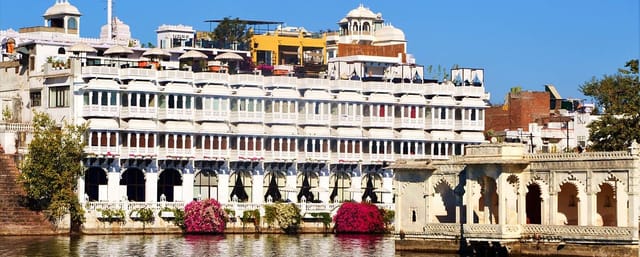
A haveli on the banks of Lake Pichola, built in the reign of Maharana Jagat Singh II between 1734 and 1752, with 22 lake facing rooms across heritage suites and deluxe rooms. The Ambrai restaurant on the water is part of the house.
A former fortress in Shekhawati, now a heritage hotel of 80 suites and rooms behind medieval towers and balconies, its interiors kept in antiques, chandeliers and murals.
The ancestral home of the Kumpawat Rathores in Chandelao village, restored from 1995 and taking guests since 1996. Twenty rooms across the old stables and the former mardana wing, with the family's photographs through the house.
A 300 year old fort palace in the village of Chanoud between Jodhpur and Udaipur, restored by the family and run with ten spacious suites. Village walks and jeep safaris go out into the surrounding countryside.
A 17th century palace on a hilltop above Deogarh town, looking over the Aravallis and nearby lakes, with the family still living in one wing. Sixty rooms from deluxe to the Maharana Suite, plus a sister camp of sixteen luxury tents.
A fort founded in 1675 in Barli village near Bijainagar, with the 16th generation of the founding family now welcoming guests. Restored and refurnished keeping its original character, its rooms and suites look over open countryside.
A fortified haveli of Jodhpur red sandstone at Luni, raised after the hamlet was granted as a jagir in 1894, with carved friezes, jharokas, courtyards and rooftop pavilions. The family opened it to guests in 1992.
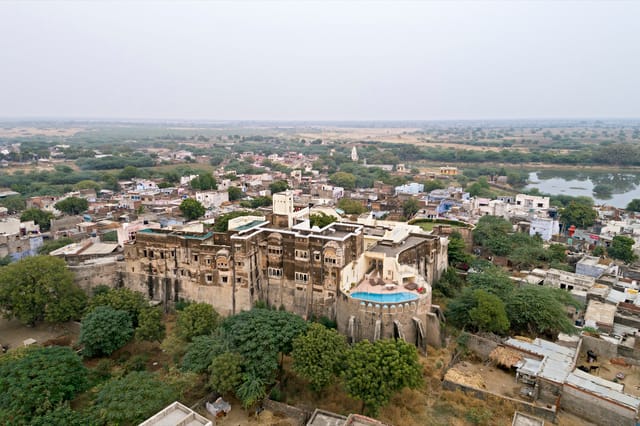
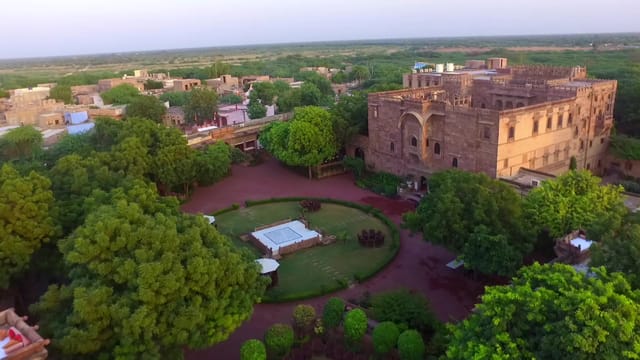
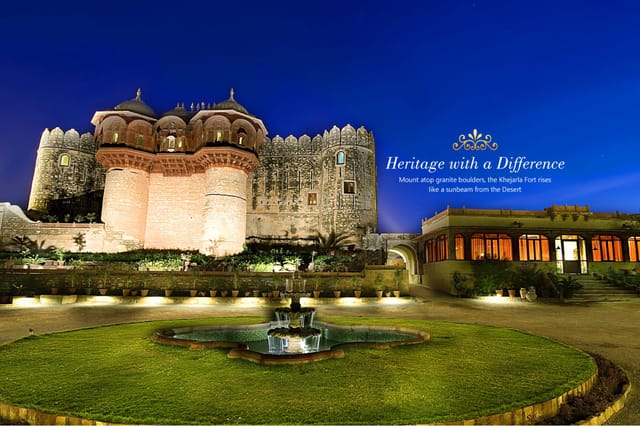
A 400 year old red sandstone fort at Khejarla village, 85 km east of Jodhpur, run as a heritage hotel with 40 rooms across Royal Chambers, Regal Rooms and Luxury Suites, each differently decorated.
A fort style hotel built from natural materials on a sand dune in the Thar, 64 km from Jodhpur airport, by the family behind Rohet Garh. Just nine suites, each over 1,700 sq ft with a private plunge pool or jacuzzi and its own courtyard or terrace.
A walled city hotel built around an 18th century haveli with views up to Mehrangarh. Forty rooms and suites across four historic buildings and three contemporary additions around a large pool, with the old Darikhana as the dining room.
A wilderness camp on 180 acres of preserved scrubland beyond Amer, kept as a sanctuary since 1981. Six safari style tents with Raj era furnishings take at most one family or two couples at a time, with the camp's elephants as the heart of the experience.
A boutique guest house in Gopalbari, central Jaipur, with nine themed rooms each hand painted around a story of Krishna, some taking over 700 hours of painting. Garden, plunge pool, library lounge and a cafe complete the house.
Eighteen palm roofed cottages in a coconut grove on the Malabar shore, built in traditional Keralan style with open air bathrooms. An infinity pool, yoga pavilion and a resident Ayurvedic doctor sit behind the beach.
A jungle camp on 30 acres at the edge of Ranthambhore, with eight cottages and seven luxury tents among tall grasses. The land was bought in 1989 and turned from barren grassland into habitat through planting and new water bodies.
A 17th century palace in Alsisar village in Shekhawati, the ancestral seat of the Alsisar family, restored as a heritage hotel. Frescoes in gold leaf work cover the walls and ceilings, and beyond the grand courtyards and dining arcades there is a swimming pool set among arched gazebos.
A late 19th century haveli behind Junagarh Fort in the heart of Bikaner, once a royal residence and still run by the family. Deluxe and heritage rooms in classical Rajasthani style, with a cafe restaurant and gardens.
Built in 1874 by Thakur Chandra Singh of Bissau as his Jaipur residence, and by their own account the first family operated heritage hotel in Rajasthan, open since 1965. Shekhawati architecture with art deco interiors, frescoes and an outdoor pool just outside Chandpole Gate.
Built around 1830 as the British Political Agent's bungalow on the banks of the Chambal at Kota, and still the private residence of the Maharao of Kota's family. Six rooms in the part of the house run as a small, homely hotel.
An 1840 haveli in the quiet village of Pahersar on the Jaipur Agra road, about 23 km from Bharatpur. Rooms open onto private courtyards and balconies around the original architecture, with Keoladeo bird sanctuary an easy day trip.
A fortified palace that began as Chomugarh Fort in 1550 and became a palace in the late 18th century, 33 km north of Jaipur. One hundred suites across five categories, from Palace Rooms to the Maharaja Suites.
A 1930s British villa built by Sir Donald Field, the last British Chief Minister of Jodhpur, and today the summer residence of the Maharajah of Jodhpur at Mount Abu, with Nakki Lake and the hill forests nearby.
A family run homestay in a colonial villa on Jacob Road, Civil Lines, kept with the family's heirlooms and vintage photographs. Lawns, a verandah lounge, a library and homemade meals minutes from Jaipur station.
An 11th century palace in Bhandarej village near Dausa, a heritage hotel since 1994 and now managed by the 13th Rawal Saab of Dhula. Large rooms, a Rajasthani dining hall and a pool, 3 km from the Delhi Mumbai expressway exit.
A relocated palace: in 2002 some 65,000 pieces of a crumbling 18th century palace were carried from near Jodhpur and rebuilt at Ranakpur, among orchards on a rain fed river. Eighteen rooms and suites, close to the Ranakpur Jain temples.
A lakeside hunting resort built by Maharaja Ganga Singh of Bikaner, a heritage hotel since 1976 under the HRH group. Forty five rooms across four wings on 6,000 acres beside a wildlife sanctuary, with the remains of the private railway that once linked it to Bikaner.
A haveli at Kotari Para inside the walls of Jaisalmer Fort, one of the few hotels within the ramparts, its rooms carrying centuries old carving. The rooftop restaurant looks over the fort, the city and the Thar.
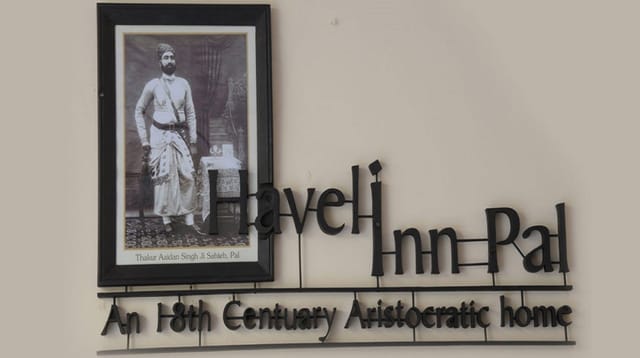
Built at the Jodhpur state's expense for Thakur Umaid Karan Singh Ji and a private Pal family home until 2000, opposite Gulab Sagar by the Clock Tower. The rooftop restaurant looks straight up at Mehrangarh and across the blue city.
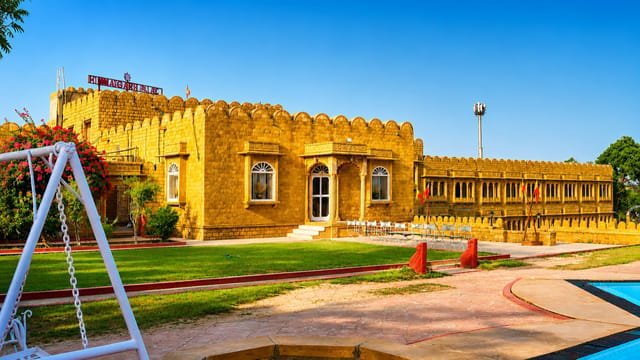
Built of golden Jaisalmer sandstone 2.5 km from the fort, with fort views from the gardens and pool. Forty rooms and suites, twenty of them round bhurj tower rooms built as circular sandstone bastions.
A 175 year old ancestral house on an island in the Kuttanad backwaters, its nine acres holding spice gardens, fruit trees and fish ponds beside a thousand acre rice field. Seven rooms, the Manimala river in front, and a boat at the steps.
A bungalow on Napier Street built in 1668 by the Dutch East India Company and privately owned since 1874, 150 metres from Fort Kochi beach. Heritage rooms with separate living areas and colonial furnishings.
A boutique estate of eight cottages and rooms on six acres near Binsar, its hundred year old Kumaoni main house renovated alongside newer deodar and pine cottages. Seasonal cooking and guided village walks.
A heritage palace in three acres just off the Mall Road, calling itself a living museum, with 29 rooms and views over the Doon Valley to the Himalayas.
A restored early twentieth century mansion opposite the Sidi Saiyad Jali in India's first UNESCO World Heritage City. Thirty eight rooms around courtyards and verandas, with the group's restored havelis deeper in the old city.
Built in the 1880s for the Crown Prince of Gondal, a colonial palace in riverside gardens with eleven high ceilinged rooms of four poster beds and family furniture. Its sister Orchard Palace keeps 1930s art deco rooms, a converted royal rail saloon and gardens of eighty peafowl.
Fifty five acres on the Betwa at Orchha, around an Old House of 1895 that was the hunting lodge and guest house of Orchha's erstwhile royal family. Thirty six rooms including river facing rooms and Betwa riverside cottages.
A mansion of 1902 spreading over 80,000 square feet in Kanadukathan, a village declared a Heritage Village by the Government of India. Nine heritage rooms and a museum inside the house, with bullock cart rides and Chettinad cooking demonstrations.
A property in Kochadai whose clubhouse was designed in the 1970s by Geoffrey Bawa in honey coloured granite, with an Olympic sized pool built like a temple tank. Rooms run from Bawa rooms to plunge pool villas.
A 19th century residence on Shamla Hills mixing colonial, Italian and Greek lines, run by the family behind Reni Pani jungle lodge. Four restaurants, two bars and gardens two kilometres from Bhopal's Upper Lake.
A fort of 1421 built by Raja Bikram Chand in the Himalayan foothills, 48 km from Chandigarh. Twenty six deluxe rooms and nine suites, with a pool, tennis and evening bonfires below the ramparts.
A late 18th century fort in nineteen acres of mango groves, two and a half hours from Delhi. Twenty one rooms styled on British era colonial living, split between the Fort House and the Collectors Court.
A mid 18th century fort, seat of a Jat kingdom, in the Ganges basin farmland ninety minutes from Delhi. Bullock cart rides, pottery and bicycle tours run through the villages around it.
A hotel standing since 1900 on MG Road, by its own account the only British era heritage hotel in Agra, with fifty rooms from Regal to the Chamber of Prince, close to the Taj and the Fort.
A 300 year old Zamindari mansion in four acres, ninety minutes from Kolkata, restored with carved four poster beds and marble floors. Dinners in the Thakur Dalan, sundowners on the Ganges, pottery and cooking classes.
A ten room lodge on the fringes of Nagarhole at Kabini, with signature rooms, tents and a pool villa. Safaris, treks and river kayaking go out for tiger, elephant and leopard country.
A safari eco lodge on the edge of Kaziranga, its cottages of local materials standing beside the Diphlu river, in reach of the world's largest population of one horned rhino.
A Kumaon retreat with two hundred degree views of the high peaks, ringed by reserve forest at Mukteshwar. Suites restored by designer Adil Ahmad, and a kitchen fed by the estate's own apple orchards and vegetable fields.
Nine suites on a forty five acre estate between two lakes at Shahpura, the summer residence of the ruling family since the 1630s, restored without losing its character. Halfway between Jaipur and Udaipur.
A Victorian mansion of the 1800s on fifteen acres at Baripada, restored by the 48th generation of the Bhanj dynasty and run by the family. Palace rooms and historical suites in a tropical art deco setting.
A 360 year old Chandel Rajput fort at Panchkula on the edge of Chandigarh, a heritage hotel since 2003, with what it claims is the tallest wooden door in the world and a tunnel museum. Fully vegetarian by policy.
A colonial mansion of 1929 at Jalukonibari near Jorhat, from which the first Assamese daily newspaper was launched in 1935. Five rooms with dressing rooms and fireplaces throughout the house.
A 1950s house in Friends Colony rebuilt as a nineteen room boutique hotel after a year long renovation, with a fine dining restaurant, a European cafe and a French patisserie.
Seventeen cottages of mud, stone and poplar on the banks of the Nubra river along the old Silk Route, each with its own garden, run on solar power and glacial water. Samstanling monastery is two kilometres away.
A hotel in the heart of Leh at eleven and a half thousand feet, centrally heated and solar powered, and open year round, which it calls a rarity in Ladakh. Rooms run from Premier Heritage to the Dragon Suite.
A heritage Ladakhi house and glamping tents in organic orchards at Nimmu village, forty five minutes from Leh at 3,100 metres. Open mid April to early October.
A rammed earth farmstay of ten rooms among the pea fields of Mane village in Spiti, run all inclusive with meals and activities, from harvest in late summer to the quiet of winter.
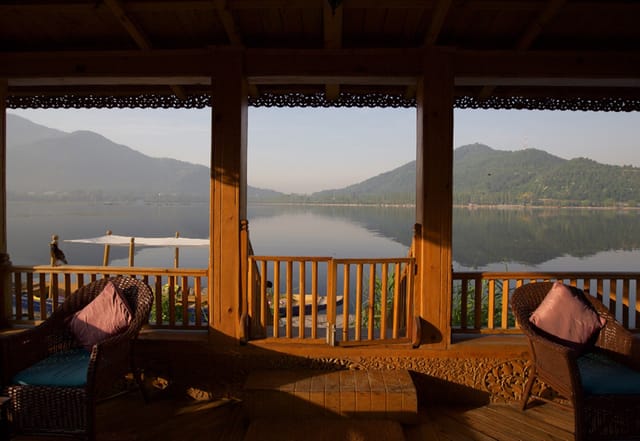
A five bedroom houseboat moored among the lotus gardens of Dal Lake, facing the Pir Panjal, running Kashmir's first bio tank waste system and carrying its carved wood panelling lightly into the present.
A colonial style homestay at Badi on the hill fringe of Udaipur near Sajjangarh, ten minutes' walk from the lake, where deer and the odd leopard cross the hills behind the pool.
An Indo Dutch house with 150 metres of Periyar river frontage inside the Muziris Heritage Area, its colonnaded verandahs facing the water, twenty kilometres from Kochi airport.
A farmstay at Verul beside the Ellora caves, its cottages built in vernacular style around organic gardens that feed the kitchen, with pottery, horses and jeep safaris on the farm.
A villa hotel on Lake Vembanad at its widest point, by the Malabar House family, with the Purity Kitchen, an Ayurveda spa and cruises on the group's own houseboat.
A lodge at Bhira on the edge of the Kishanpur sanctuary inside Dudhwa tiger reserve, its rooms opening to forest verandas, with safaris, birding and a fireplace lobby for the evenings.
A 1940s red sandstone bungalow, once home to the Jagirdars of Sodawas, kept in its original Rajputana lines with gardens and the Nuovo Taashli restaurant, a short ride from Umaid Bhawan.
A family haveli on Lake Palace Road a short walk from the City Palace, its pool set in gardens with a fountain courtyard, live santoor at breakfast and Rajasthani cooking from the family's recipes.
A Bani Park haveli owned by descendants of Raja Raisal, who made Khandela his capital in 1538, its carved gateway opening onto a fresco lined courtyard and twenty eight rooms.
Commissioned by Maharaja Ganga Singhji and designed by Sir Samuel Swinton Jacob in red Thar sandstone, blending Mughal, Rajput and British lines. Rooms from twin beds to the Lallgarh Suite, with rack rates published openly.
The queen's garden, gifted in the 19th century by Maharaja Takhat Singh of Jodhpur to his Maharani. Cottages sit in a private forest estate at the foot of the Aravallis, with a machaan over the waterbody and dining in a village style courtyard.
An ivory white fortified palace among thousands of trees on the threshold of Ranthambhore National Park, built by Alsisar Hotels in the architectural language of Rajasthan's noble estates. Morning tiger safaris pair with evening cultural performances.
A mansion of the Thakurs of Pal, scions of Thakur Umaid Karan Ji, dating back more than two hundred years at Gulab Sagar beside the Clock Tower under Mehrangarh. The family call it the only living haveli among Jodhpur's 700; it opened to guests in 2005 with four rooms after a two year restoration and now has twenty one, with the rooftop Indique looking straight onto the fort.
Ranvas means the abode of the queens: in the 18th century these buildings inside Nagaur's Ahhichatragarh Fort housed the sixteen ranis of Maharaja Bakhat Singh of Jodhpur. Restored as part of the fort's revival, with 27 rooms, two restaurants, a pool, dining on the ramparts and craft tours of Nagaur's artisans.
Built in 1840 by Captain G.N. Cauthy, a landmark of Landour on two acres above St. Paul's Church and Char Dukan. Restored to its 19th century decor with brick arches, wooden floors and fireplaces, with dining at Emily's and the Landour Bakehouse and Jacuzzis out in the Highlands area.
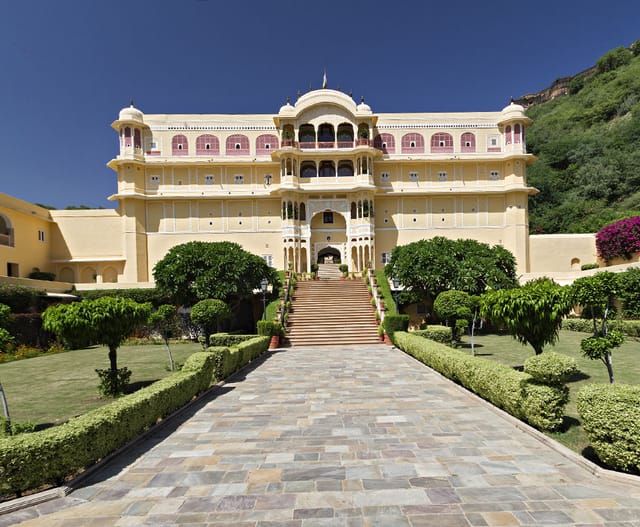
A 16th century fortified palace in Samode village, reworked in the 19th century with Mughal arched doorways, hand painted murals and a mirrored Sheesh Mahal. Forty three rooms and suites in old world Rajputana style, with a spa and pool, and village walks into Samode's textile and craft lanes.
The royal hunting lodge of the House of Mewar, run as a Royal Retreat of the HRH Group in Udaipur, a short drive from the City Palace. Twenty five rooms in lush grounds against the Aravallis, with horse riding, buggy rides and garden dining.
Built in the reign of Maharana Fateh Singh for visiting dignitaries and guests of the House of Mewar, inside Udaipur's City Palace complex. Thirty six rooms and suites, seventeen of them keeping the royal family's original furniture and portraits, around the courtyard pool.
A CGH Earth resort built like a tribal village in a spice garden in the Periyar highlands, its cottages modelled on the dwellings of the native Mannan people and thatched with elephant grass. Spice runs through the cooking and the garden tours, with the Periyar Tiger Reserve at the door.
A colonial villa in the Kumaoni hamlet of Ramgarh, run as a lived in heritage home with six bird named bedrooms among orchards and forest trails. Ramgarh is the hamlet where Rabindranath Tagore is said to have written portions of Gitanjali.
A Royal Retreat of the HRH Group built along the hills of Kumbhalgarh in the setting of the medieval fort city. Poolside dining below the dark hills, small dinners on the Angeethi lawns among flowering trees, and folk musicians at evening events.
The Sisodia palace of Dungarpur, built in bluish grey Pareva stone around the carved Ek Thambia Mahal above Gaib Sagar lake, enlarged in 1940 with the wings that made the courtyard. Still the royal residence, taking guests in the house guest tradition with twenty three bedrooms, and painted storks, egrets and herons in view from the palace itself.
A seventy year old Chettinad mansion in Kanadukathan village, run as a heritage house by CGH Earth. A palatial home built as a symbol of paternal affection, among the region's famed mansions, tile makers and fiery Chettinad cooking.
Prithviraj Road is the old residential heart of New Delhi: wide, tree-lined, quiet, with Lodi Gardens and Safdarjung's Tomb a stroll away and Khan Market, India Gate and Humayun's Tomb a few minutes by car. The family-run Lutyens Bungalow has stood here since 1937, with sprawling mature gardens, a swimming pool, and rooms that each have their own entrance, a private bathroom, wifi and a tea and coffee tray. Food comes from the family kitchen, with seasonal vegetables from the garden.
A small resort at Ranchha village on the edge of Bandhavgarh, of six air-conditioned cottages with king-sized four-poster beds, large windows over the green and their own sit-outs, plus five twin-bedded deluxe rooms spread across the property. The restaurant, The Waterhole, is built with re-used bottle walls and worn-out tyres and serves what the house calls The Jungle Feast. There is a forest view plunge pool, a butterfly garden and an in-house potter's wheel.
Twenty villas of about a thousand square feet each, on the edge of the Bandhavgarh tiger reserve among the Vindhya hills, built around a watercourse with private sit-outs and decks. There is a multi-cuisine restaurant, a swimming pool and a spa, and the lodge runs its safaris in jeeps with its own naturalists.
Twenty cottages and suites at Samnapur village, 3.65 km from the Mukki gate of Kanha, named for the elements: Akash suites with a separate living room and bay windows or a first-floor terrace, Jal suites closest to the core where you can hear the deer calling, Prithvi suites of 900 square feet looking at the Maikal hills, the two-bedroom Mahasagar suite with six private balconies, and single-floor Jal cottages of over 300 square feet with their own outdoor sit-out. There is a multi-cuisine restaurant and a swimming pool. The lodge takes its idea from Vanaprastha, the third stage of life, and uses the lotus as its mark.
A resort at Khilchipur village beside Ranthambhore, with deluxe rooms looking part-way to the Aravallis, pool-facing deluxe rooms over what the house calls the region's largest swimming pool, and premium cottages with a private sit-out. There is a spa, a garden and a terrace, cycling and badminton outside, chess and carrom in.
Evolve Back's Kabini lodge is built on the shape of a Kadu Kuruba hadi, with the river on two sides of it and Nagarhole across the water. The top huts have their own pools.
A plantation resort at Siddapur in Coorg, built in two architectural registers: Heritage Pool Villas in hand-cut red laterite, and Lily Pool rooms drawn from the thatched, white-walled homes found on Karnataka plantations. Five accommodation categories, each with its own temperature-controlled private pool.
A palace-style resort at Kamalapura on the edge of Hampi, its suites drawn from the buildings inside the Zenana enclosure. Four categories, from the Jal Mahal after the Water Palace to the Zenana suites in the main palace building.
Ananyamaya sits at Ranwal on the Ranthambhore road, ten minutes from the park gate and fifteen kilometres from Sawai Madhopur. The owners have planted a thousand native trees around it, neem, mango and amaltas among them. Three room styles, a pool, a 24-cover restaurant called Spectraa and a small cinema.
Built in the traditional architecture of the region around a colonnaded courtyard, at Khilchipur village on the Ranthambhore road. Forty-four rooms: thirty deluxe rooms, ten cottages and four suites, with a pool, a garden, an Ayurveda spa and a multi-cuisine restaurant. The hotel arranges jeep and canter safaris into the park.
Free forever. We'll confirm on WhatsApp and send our best finds there — leave anytime.
We use cookies to measure how the site is used and how well our ads work.
That includes cookies set by PostHog, Microsoft Clarity, Meta and Google.
How we use them.