Things to Do in Bikaner
Entry fees, opening times and fares in India change often. Please check before you travel.
New Planning with ChatGPT or Gemini? Paste the plan and we'll price it with real hotels and a car. Price my itinerary Bikaner is the second of six stops on Rajasthan Grand Journey 10 nights · with Jaipur and Jaisalmer and Jodhpur and Pushkar and Udaipur · from £525 per person See it →Bikaner is the Rajasthan city the circuit forgets, and that is the reason to go. It has a fort that was never taken, a walled old town of red sandstone havelis with almost no other visitors in its lanes, a camel farm, a temple full of rats, and the best snacks in the state. It sits between Jaipur and Jaisalmer on the northern road, a natural night on the way, and most people who give it one wish they had given it two.
How the city is laid out
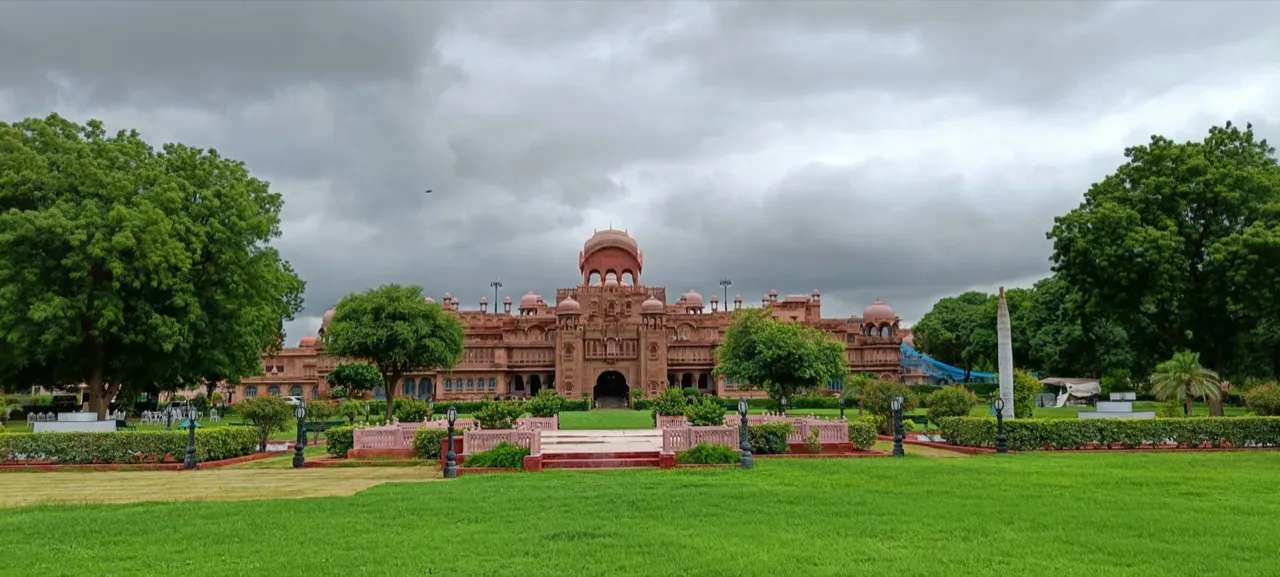
Junagarh Fort sits at the northern edge of the old city, on the flat rather than on a hill, which is unusual for Rajasthan. The walled old town spreads south of it, with the havelis of the Rampuria and Kothari families in its lanes and the market around Kote Gate. East of the old city are the railway station and the newer town, and beyond that the Lallgarh and Laxmi Niwas palaces, the red sandstone buildings Maharaja Ganga Singh put up at the turn of the twentieth century. Deshnoke, with the rat temple, is thirty kilometres south; the camel research centre is eight kilometres out; Gajner is thirty kilometres west.
Jaipur is about six hours by road, Jaisalmer about six, Jodhpur about five.
The sights
Junagarh Fort
Built by Raja Rai Singh from 1589, and never conquered. Because it stands on the plain the walls are less dramatic than Jodhpur's, and the interiors are the point: a run of palaces added over four centuries, with lacquered ceilings, mirror work, gold leaf and carved sandstone screens, and a museum with a First World War biplane in it. Two to three hours with the audio guide.
The old city havelis
South of the fort, the lanes hold the mansions the Marwari merchant families built in the nineteenth and early twentieth centuries: red sandstone carved like wood, jharokha balconies, some still lived in. The Rampuria havelis are the best known. Walk it in the late afternoon with someone who knows the lanes; there are no tickets and no crowds.
Lallgarh Palace
Sir Samuel Swinton Jacob's red sandstone palace for Maharaja Ganga Singh, finished in the early 1900s and part hotel, part museum, part family residence. The museum wing covers the Bikaner rulers; the lawns and the carving on the facade are the reason to come.
Karni Mata Temple, Deshnoke
The rat temple, thirty kilometres south. Some twenty thousand rats live in it as sacred, fed on grain and milk, and a white one is lucky. It is exactly as strange as it sounds and worth the drive. Socks recommended; shoes come off at the door.
The National Research Centre on Camel
Eight kilometres from town, a working research farm with several hundred camels, a small museum and a camel-milk ice cream counter. Late afternoon, when the herds come in.
Gajner
Thirty kilometres west, the Maharaja's lakeside hunting palace on a wildlife sanctuary, now a hotel. The lake draws migratory birds in winter and the antelope come down to drink in the evening. A night here is one of the things to do.
Bhandasar Jain Temple
A fifteenth-century temple in the old city, its interior painted from floor to ceiling, said to have been built with ghee in the mortar. Small, quiet, and one of the best painted interiors in Rajasthan.
What to eat
Bikaner is where bhujia comes from, the crisp gram-flour snack sold everywhere in India, and the shops around Kote Gate sell it by the kilo along with papad and every kind of namkeen. Rasgulla in the Bikaneri style, ghevar in season, and the thali in a haveli courtyard.
How many days
| Days | What fits |
|---|---|
| 1 | Junagarh in the morning, the old-city havelis and Kote Gate in the afternoon, Lallgarh at dusk |
| 2 | Deshnoke in the morning, the camel farm in the late afternoon, or a night at Gajner |
One night is what the Rajasthan Grand Journey gives Bikaner. Two is better.
When to go
October to March. The camel fair falls in January, two days of races, decorated camels and folk performances on the edge of town. Summer is hard; Bikaner is one of the hottest places in the state.
Where to stay
We hold five stays in and around Bikaner.
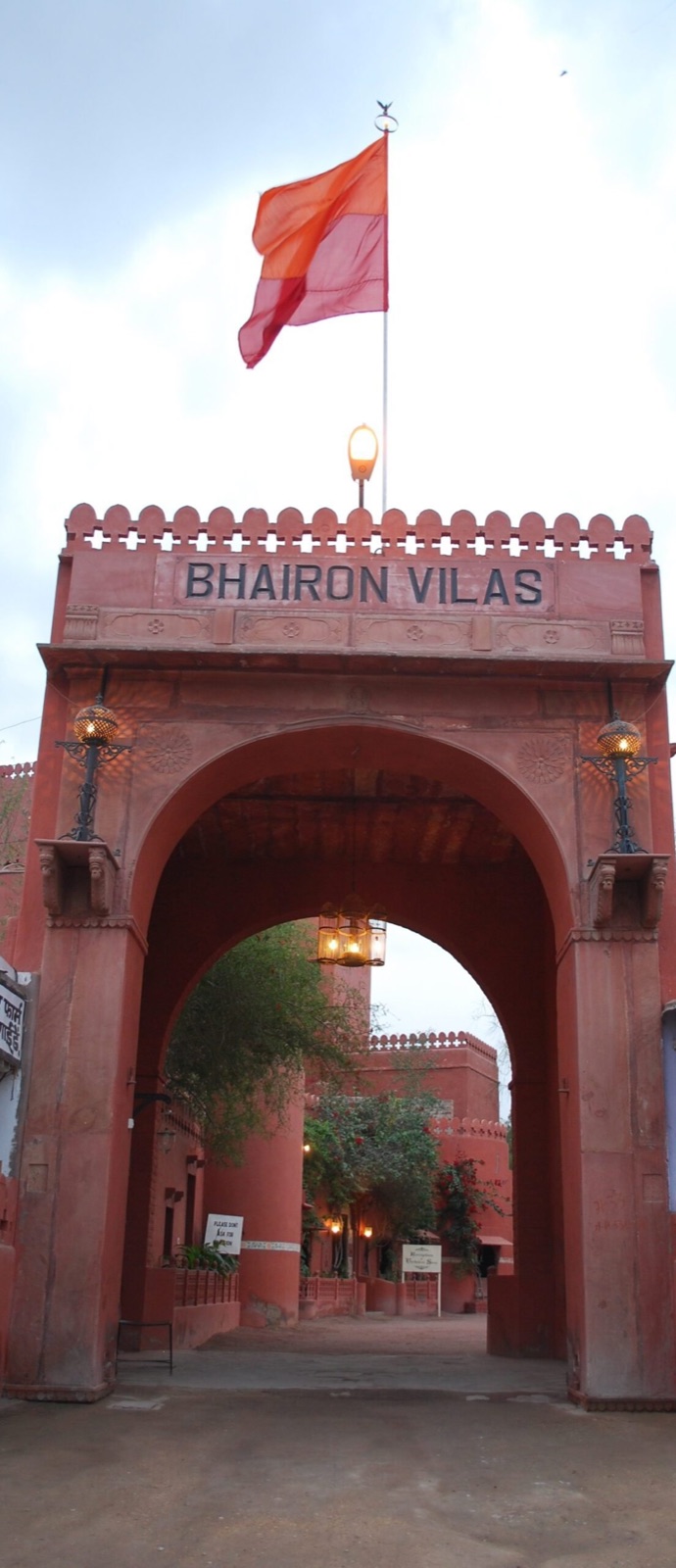
By the fort. Bhairon Vilas, eighteen rooms in an 1872 haveli built for Bikaner's prime minister and still lived in by his descendants, behind Junagarh.
The Maharaja's palaces. The Laxmi Niwas Palace, the red-sandstone palace the Maharaja built to keep his guests. The Lallgarh Palace, Sir Samuel Swinton Jacob's palace for the Maharaja, with billiard and card rooms and an indoor pool.
Out of town. Gajner Palace, forty-five rooms in the lakeside hunting palace, a hotel since 1976, on a 6,000-acre reserve. Gaj Kesri, a desert-edge retreat where the Thar starts at the boundary wall.
All five, with what each is like.
Journeys through Bikaner
Bikaner is a stop on the Rajasthan Grand Journey, ten nights round the state. Or find a journey, weekend or city guide in three taps.
Is Bikaner worth visiting?
Yes, and more so because most people skip it. The fort interiors are among the finest in Rajasthan, the old town is unvisited, and the food is the best in the state. It also breaks the long road between Jaipur and Jaisalmer in half.
How many days do you need in Bikaner?
One full day covers the fort, the old city and Lallgarh. A second lets you do Deshnoke and the camels, or a night at Gajner.
Is the rat temple safe to visit?
It is a working temple visited by thousands every day. The rats are used to people and keep to themselves; you take your shoes off, and socks are a good idea. It is unlike anywhere else you will go.